PreventionWeb
Menu
Last updated 2 Apr 2026

Japan: Fukushima Daiichi nuclear disaster 2011

Image
Introduction

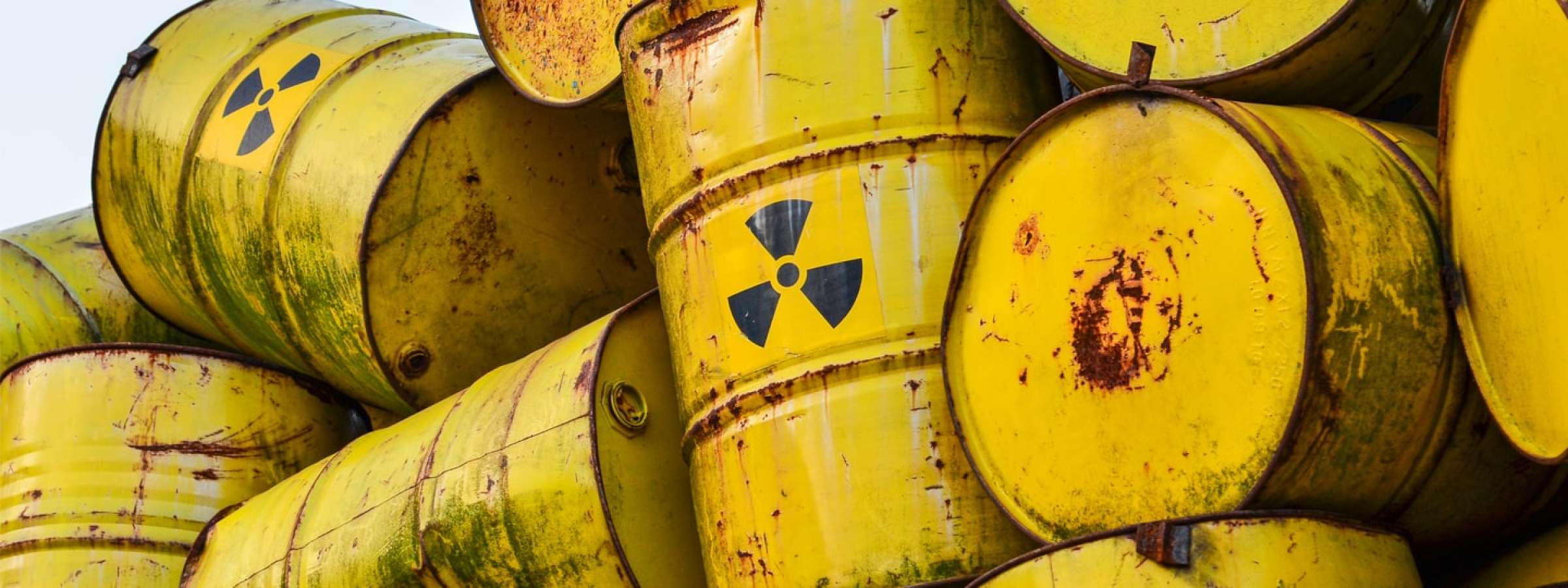
In March 2011, an earthquake and tsunami damaged the Fukushima Daiichi Nuclear Power Plant and generated three meltdowns, marking the biggest nuclear incident since the Chernobyl Disaster.

Knowledge base

Items: 10
Documents and publications
Case Study
8 July 2019
Eight years after Fukushima nuclear accident - Community recovery and reconstruction from nuclear and radiological disasters – a case of Kawauchi village and Tomioka town in Fukushima

The village/town-university collaboration provides the Sendai Framework for Disaster Risk Reduction with a model for developing a multi-disciplinary and multi-hazard approach to public DRR policy during the recovery phase of a nuclear accident.

United Nations Office for Disaster Risk Reduction (UNDRR)
Documents and publications
22 March 2019
On the frontline of the Fukushima nuclear accident: workers and children

Eight years after the start of the Fukushima Daiichi nuclear disaster and two years after the Japanese government lifted evacuation orders in areas of Namie and Iitate, radiation levels remain too high for the safe return of thousands of Japanese citizen

Greenpeace International
Documents and publications
3 September 2015
The Fukushima Daiichi accident

This report provides a description of the accident and its causes, evolution and consequences, based on the evaluation of data and information from a large number of sources available at the time of writing. It consists of a report by the IAEA Director

International Atomic Energy Agency
Documents and publications
4 May 2015
Health risk assessment from the nuclear accident after the 2011 Great East Japan Earthquake and Tsunami based on a preliminary dose estimation

This report summarizes the results of a health risk assessment from the nuclear accident that followed the 2011 Great East Japan Earthquake. The assessment was conducted by a group of independent experts convened by WHO and the report represents the first international effort to estimate radiation risks from this accident at the global level.

World Health Organization (WHO)
Documents and publications
15 April 2015
Tackling prolonged displacement: lessons on durable solutions from Fukushima

The policy brief draws on lessons learned from the Fukushima earthquake and elaborates on solutions for displaced populations trapped in uncertainty. It provides recommendations regarding: (i) durable solutions which systematically need to be established through ongoing re-examinations of policies, laws and institutions; (ii) social and psychological consequences as a key topic just as (re-)construction of physical infrastructure and environmental remediation; and (iii) displaced people, for them to exercise agency and take ownership of the process.

United Nations University - Institute for the Advanced Study of Sustainability (UNU-IAS)
Documents and publications
20 March 2015
The state of affairs and ongoing challenges of the Fukushima Nuclear Disaster - a civil society response towards recovery

This report addresses the subject of nuclear disasters. It elaborates on the Fukushima Nuclear Disaster intending to answer question such as: What have been the impacts of the Fukushima nuclear disaster?; What is the current condition of the victims of

Citizens’ Commission on Nuclear Energy
Documents and publications
16 February 2015
Reconstruction of East Japan devastated by 2011 disasters: viewpoints from Rikuzentakata

This document summarizes the proceedings of the symposium on “Reconstruction and Invigoration of Disaster-hit Areas – Viewpoints from Rikuzentakata”. It describes the reconstruction process, highlighting the communities and business role played on it. It also includes a chapter on challenges and future perspectives towards building a sustainable society, highlighting good practices and success factors.

Yokohama National University
Documents and publications
25 January 2015
The Great Eastern Japan earthquake 11 March 2011 — Lessons learned and research questions

This document contains the proceedings of the scientific workshop where lessons learned following the Great East Japan earthquake and tsunami were explored and shared. The proceedings summarize the collective efforts by scholars who have examined the

United Nations University - Institute for Environment and Human Security (UNU-EHS)
Tohoku University 東北大学
Documents and publications
27 March 2012
The year that shook the rich: a review of natural disasters in 2011

This review analyses some of the major events and trends related to natural disasters and humanitarian disaster response and looks at the experience of developed countries with natural disasters in 2011.

Brookings Institution, the
Documents and publications
15 March 2011
Japan's unfolding disaster

This special report analyses the situation in Japan following the 8.9 earthquake which spawned one of the most powerful tsunamis on record. It states that Japan is among the best prepared countries in the world regarding earthquakes with quake-resistant buildings, drills for school children and households equipped with survival kits. It specifically addresses the attempt to avert a meltdown at a stricken nuclear reactor and the expected colossal economic damage.

Thomson Reuters

Is this page useful?

Yes No
Report an issue on this page

Thank you. If you have 2 minutes, we would benefit from additional feedback (link opens in a new window).

The International Recovery Platform (IRP) is a global partnership working to strengthen knowledge, and share experiences and lessons on building back better in recovery, rehabilitation, and reconstruction.

Latest IRP videos and photos: YouTube Flickr Contact IRP

Loading