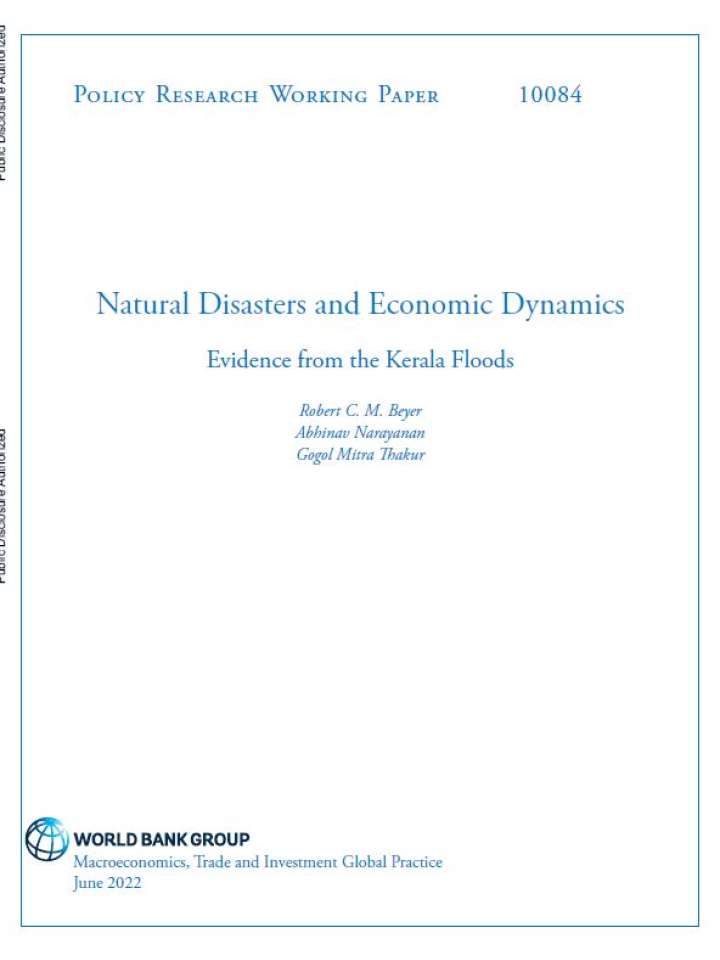
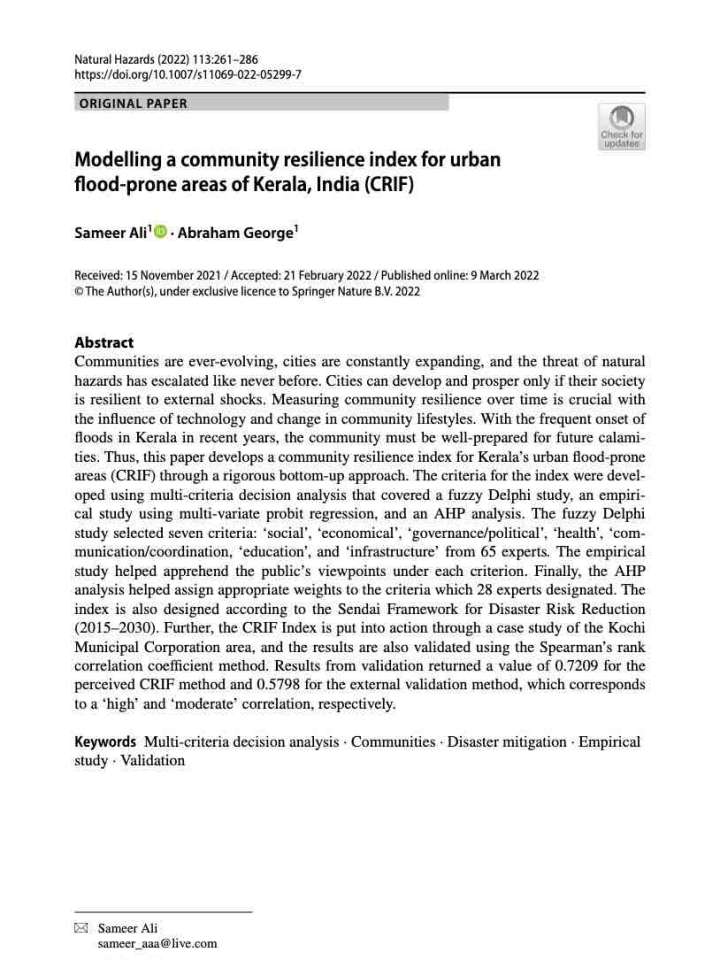
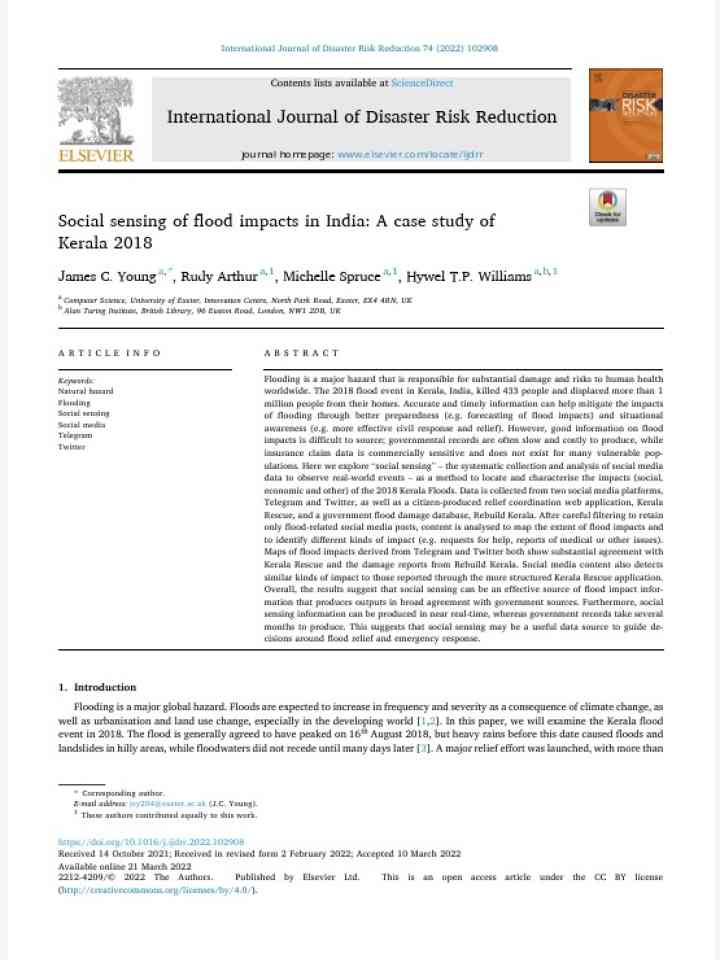
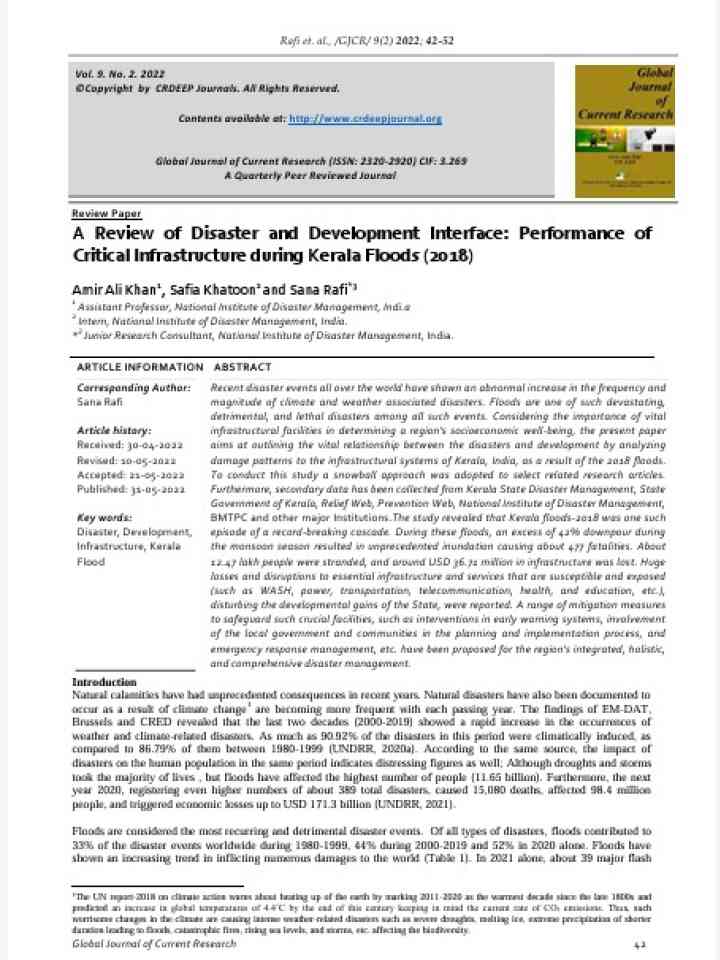
Recovery Collection: Kerala Floods 2018
Introduction
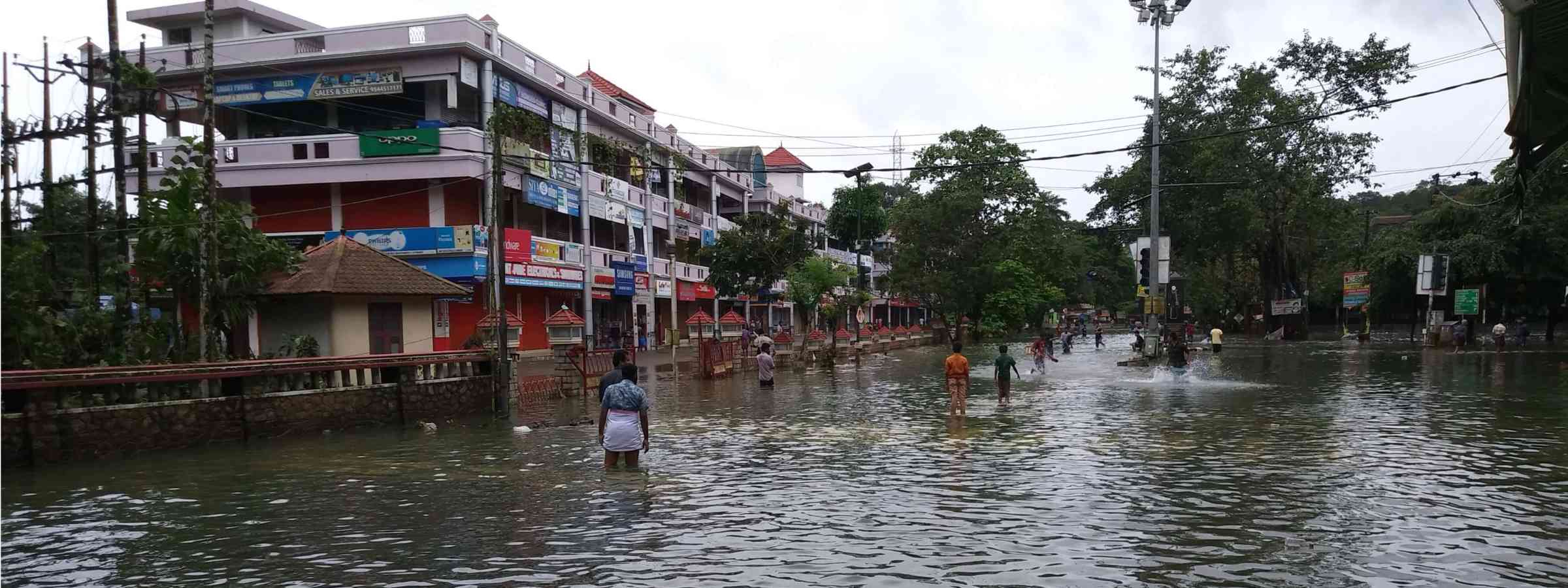
In August 2018, Kerala, a state in southern India, experienced one of the most devastating floods in its history. The disaster, triggered by unprecedented monsoon rains, led to the deaths of over 480 people, displaced over a million residents, and caused extensive damage to infrastructure, homes, and livelihoods. The floods were the result of the highest rainfall Kerala had seen in nearly a century, with some regions receiving up to 170% of their usual monsoon precipitation. The heavy rains caused rivers to overflow, landslides to occur, and several dams to release water simultaneously, exacerbating the disaster's impact.
The recovery process in Kerala was as challenging as the disaster itself. Despite the overwhelming scale of destruction, the state government, in collaboration with the central government, NGOs, and international agencies, launched an extensive recovery and rehabilitation program. The recovery efforts were community-driven, with significant participation from local self-help groups, civil society organizations, and the affected communities. One of the key strategies was to build back better, focusing not only on restoring the damaged infrastructure but also on improving resilience to future disasters. This included the reconstruction of houses, schools, and health centers with enhanced structural integrity, and the restoration of livelihoods through support for agriculture, fisheries, and small businesses.
The Kerala floods highlighted the importance of disaster preparedness and resilient infrastructure. One of the key lessons from the recovery experience was the necessity of integrating disaster risk reduction into development planning. The floods exposed vulnerabilities in existing infrastructure and underscored the need for a comprehensive flood management system. In response, Kerala adopted a more integrated approach to water management, incorporating early warning systems, improved dam management protocols, and community-based disaster preparedness initiatives. The state also strengthened its local governance structures, empowering communities to take a more active role in disaster response and recovery.