Navigation failed to load. If you are on the UNDRR office network, your browser may be blocking access to external resources. Learn how to allow access.
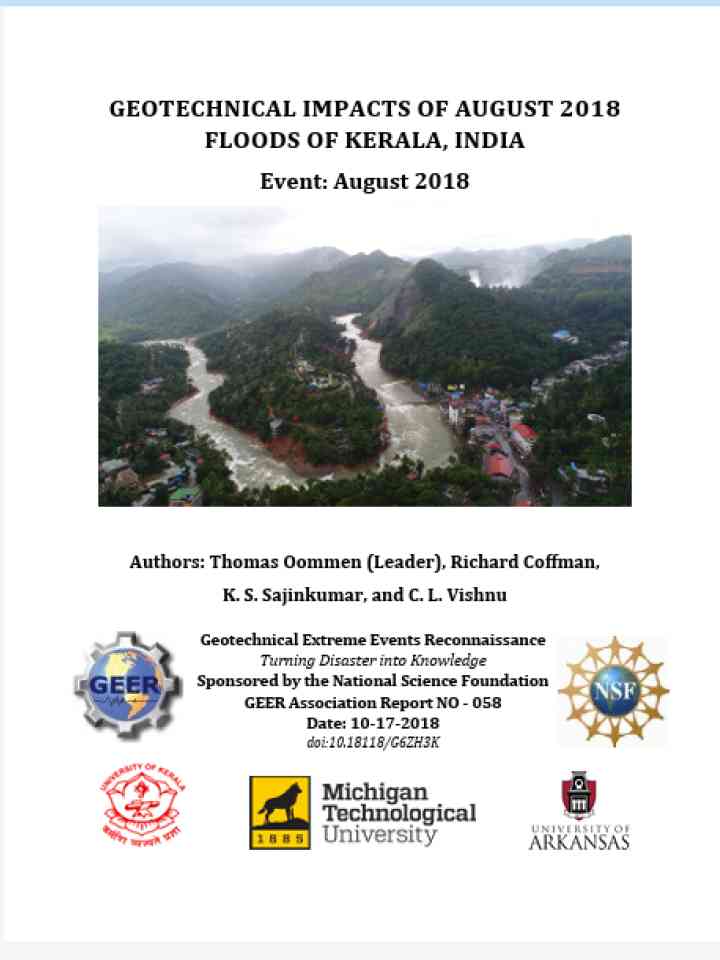
The reconnaissance study to gather perishable data was carried out from September 4th to 9th, 2018. The team traveled to three districts that have been affected by the disaster (Alleppey, Idukki, & Ernakulam).
Geotechnical Extreme Events Reconnaissance Association (GEER)
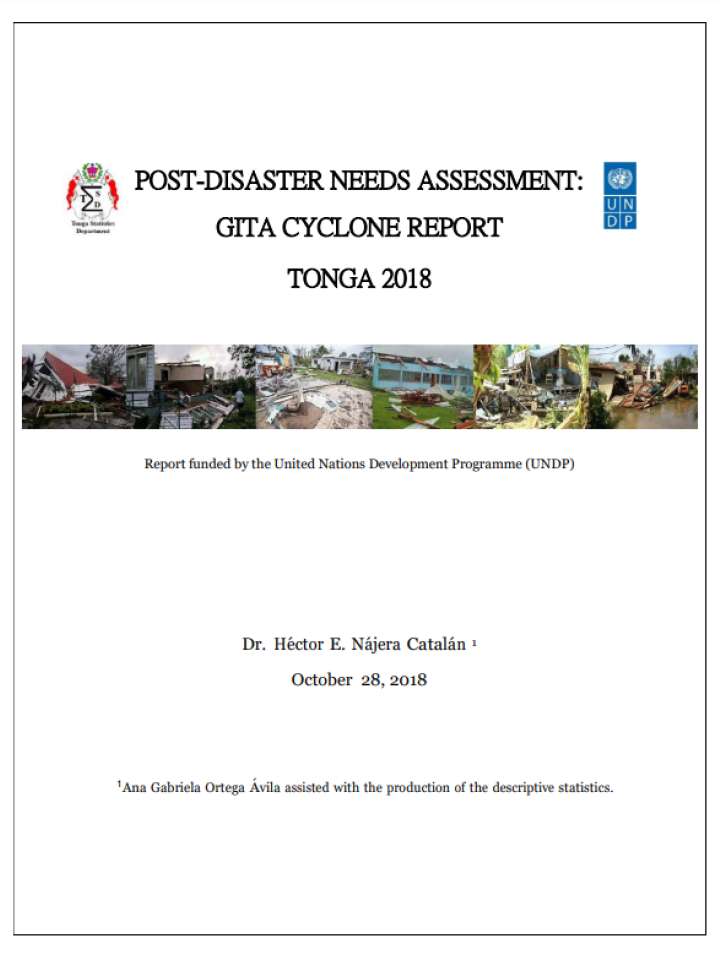
This document uses the post-disaster data collected by the Statistical Department of Tonga to describe the characteristics of the affected population, nature and spatial concentration of the damage by the Cyclone Gita, and the aid required and received.
Based on a case study of the flood disaster of the river Danube in 2013, and particularly the Bavarian city of Deggendorf, this study investigates the role of social vulnerability in recovery projects and planning.
This issue of Southasiadisasters.net focuses on topics related to the recovery process in the Andaman and Nicobar islands, such as the importance of understanding the underlying factors of vulnerability, the role of international humanitarian agencies in
This report provides an overview of activities executed under the Sint Maarten Reconstruction, Recovery and Resilience Trust Fund, managed by the World Bank.
This report contains the findings of a study commissioned by agencies of the United Nations to obtain credible information on the conditions in which people affected by the Chernobyl accident are living fifteen years after the explosion, and to make recommendations as to how their needs can best be addressed in the light of this information.
World Health Organization (WHO)
United Nations Development Programme (UNDP)
United Nations Office for the Coordination of Humanitarian Affairs
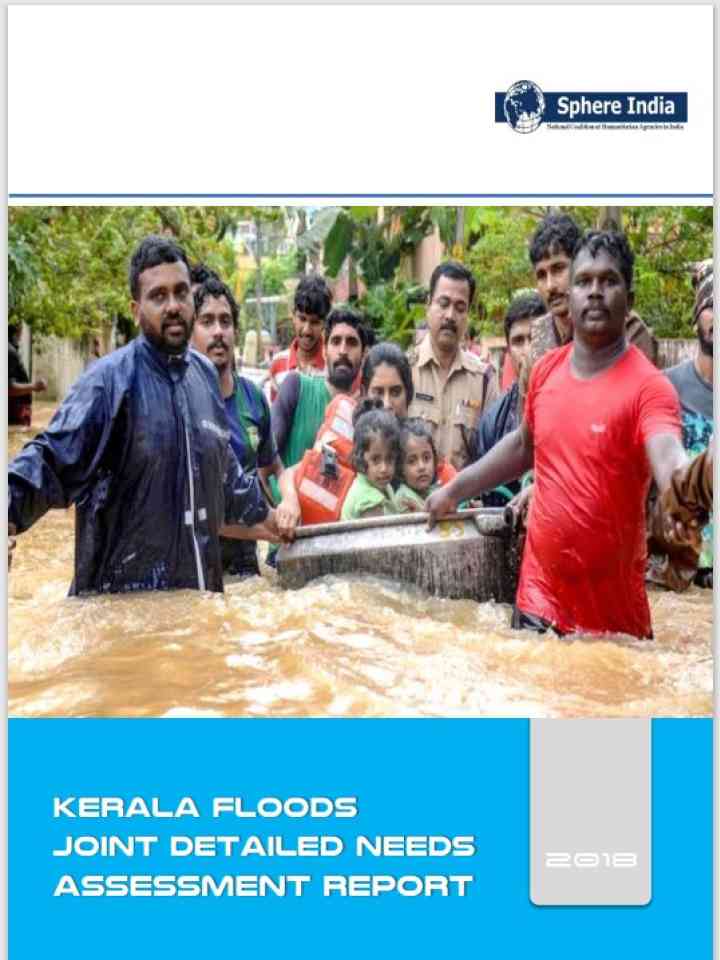
MS-JDNA is conducted after 3 to 4 weeks of the onset of disaster based on a sample survey, Focus Group Discussions (FGDs) and key informant interviews aiming at analyzing recovery needs as 3 months, 6 months and 1 year.