Navigation failed to load. If you are on the UNDRR office network, your browser may be blocking access to external resources. Learn how to allow access.
In this article, the inverse care law is outlined, its application to medical treatment following disasters considered and an explanation of the inverse response law provided.
This paper discusses the opportunity to build government capacity to make use of various new financing instruments, such as reserve funds, contingent lines of credit, and insurance programs, for post-disaster recovery and reconstruction. By preparing
World Bank, the
Global Facility for Disaster Reduction and Recovery, the (GFDRR)
This paper measures the longer-term effect of a major earthquake on the local economy, using night-time light intensity measured from space, and investigate whether insurance claim payments for damaged residential property affected the local recovery process. It focuses on the destructive Canterbury Earthquake Sequence (CES) 2010-2011 in New Zealand as a case study.
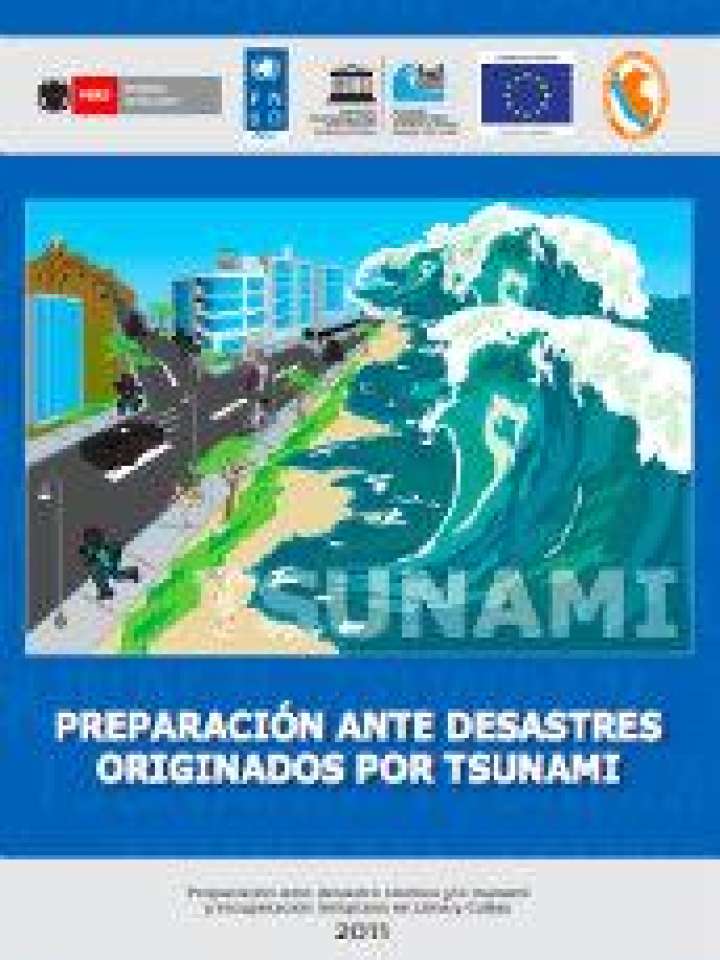
La finalidad de este material es específica y única: La Prevención de Desastres por tsunami, a través de conocimientos, del desarrollo de capacidades, valores, actitudes y hábitos, orientados a la realización de acciones adecuadas para la preparación ante
United Nations Educational, Scientific and Cultural Organization (UNESCO)
In 2018, the state of Kerala witnessed large-scale flooding, which affected millions of people and caused 400 or more deaths. This document examines the return period of extreme rainfall and the potential role of reservoirs in the recent flooding.
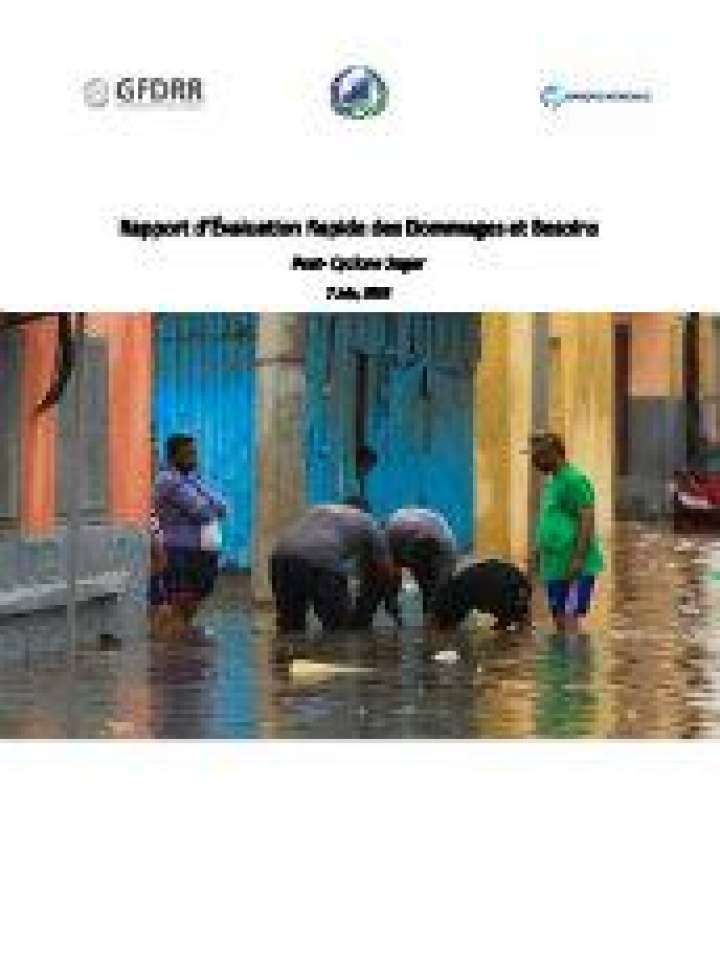
This report presents the results of the rapid assessment of the damage caused by Tropical Cyclone Sagar in Djibouti City and the most affected areas, and offers recommendations and a preliminary estimate of recovery and reconstruction needs.
World Bank, the
Global Facility for Disaster Reduction and Recovery, the (GFDRR)