Navigation failed to load. If you are on the UNDRR office network, your browser may be blocking access to external resources. Learn how to allow access.
This study looks in detail at the Houston floods that resulted from Hurricane Harvey. Based on interviews with impacted households and businesses, and with people involved in risk reduction, response and recovery at the city, county and state level, the
American Red Cross
Institute for Social and Environmental Transition - International (ISET)
This paper presents, explores, and tests a conceptual framework for analysing the trade-offs that underpin this relationship as evidenced through policy goals, initiatives, and decision-making processes.
This report shows how the benefits of building back better could be greatest among the communities and countries that are hit by disasters most intensely and frequently.
World Bank, the
Global Facility for Disaster Reduction and Recovery, the (GFDRR)
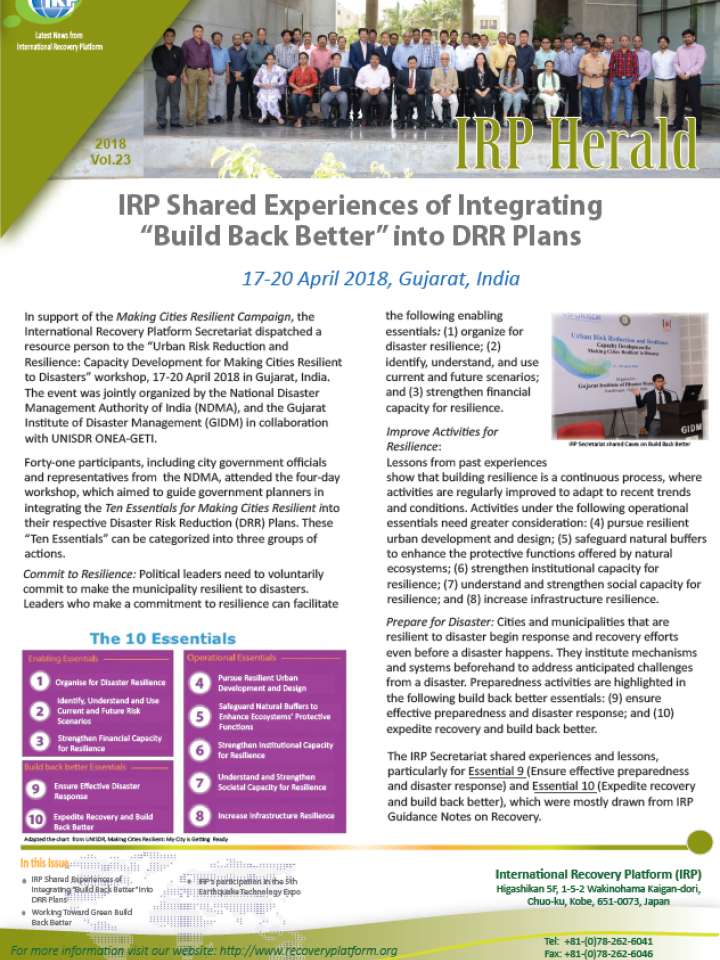
IRP Herald Volume 23 is the knowledge report for IRP engagement in the workshop of Urban Risk Reduction and Resilience: Capacity Development for Making Cities Resilient to Disasters in Gujarat, India.
This paper uses qualitative case study analysis to explore post-quake transformations in a rural context. The aim is to gain insight into the distinctive dynamics of disaster response mechanisms, focusing on two initiatives.
In June 2015, about 53,000 people were affected by unusually severe floods in the Greater Accra Metropolitan Area, Ghana. The real impact of such a disaster is a product of exposure ("Who was affected?"), vulnerability ("How much did the affected
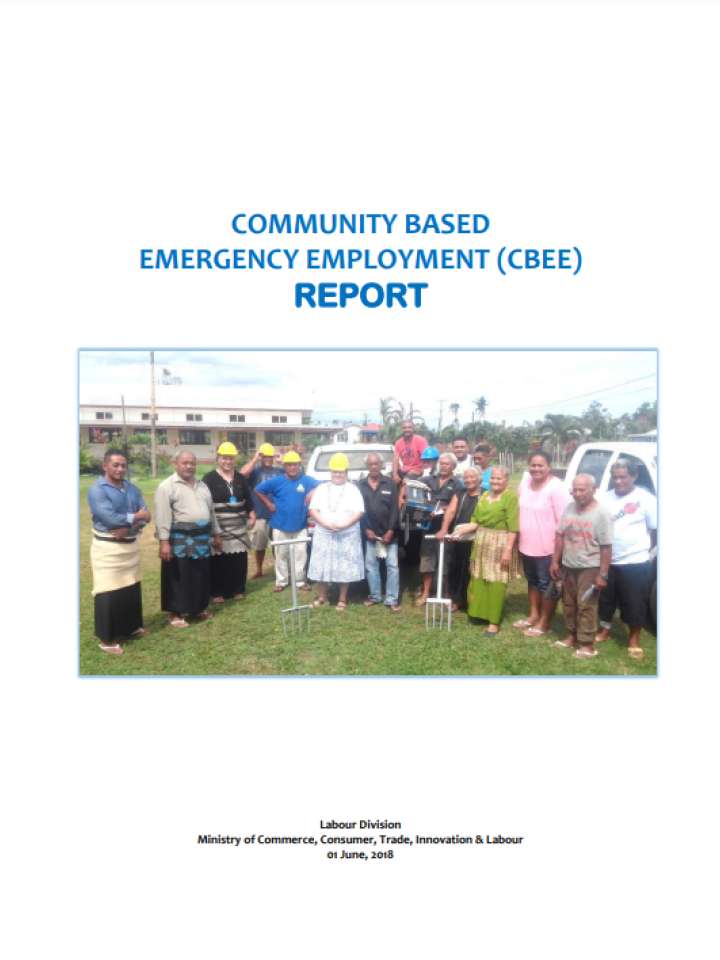
This report presents the description of the Community Based Emergency Employment program (CBEE) including the monitoring of its progress, developed after Tropical Cyclone Gita hit and devastated Tonga in 2018.
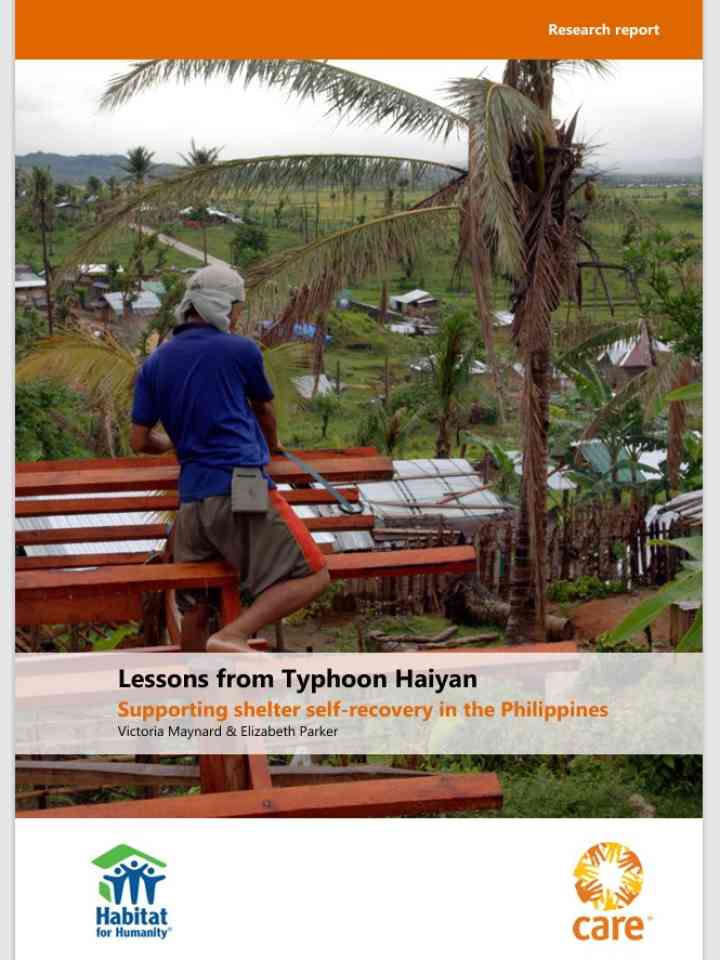
This research aimed to synthesise learning from several SSSR (Support for Shelter Self-Recovery) programmes in order to improve policy and practice in future humanitarian responses.