Navigation failed to load. If you are on the UNDRR office network, your browser may be blocking access to external resources. Learn how to allow access.
The Sustainable Development Goals Report 2017 reviews progress made towards the 17 Goals in the second year of implementation of the 2030 Agenda for Sustainable Development. The report is based on the latest available data. It highlights both gains and
United Nations Department of Economic and Social Affairs (UN DESA)
This guide provides up-to-date, authoritative information that schools can use to develop a comprehensive strategy for addressing natural hazards. It presents information and guidance on:
Identifying natural hazards that could potentially impact a
This newsletter features several updates and activities from the Resilience Development Initiative (RDI), an Indonesian think tank initiative that focuses on disaster, environmental change and sustainable development. Content in this issue includes:
The aim of this guide is to help managers and communication experts develop strategies for empowering people in the different phases of the safety chain.
The first part of the guide is based on some desk studies and an online international expert
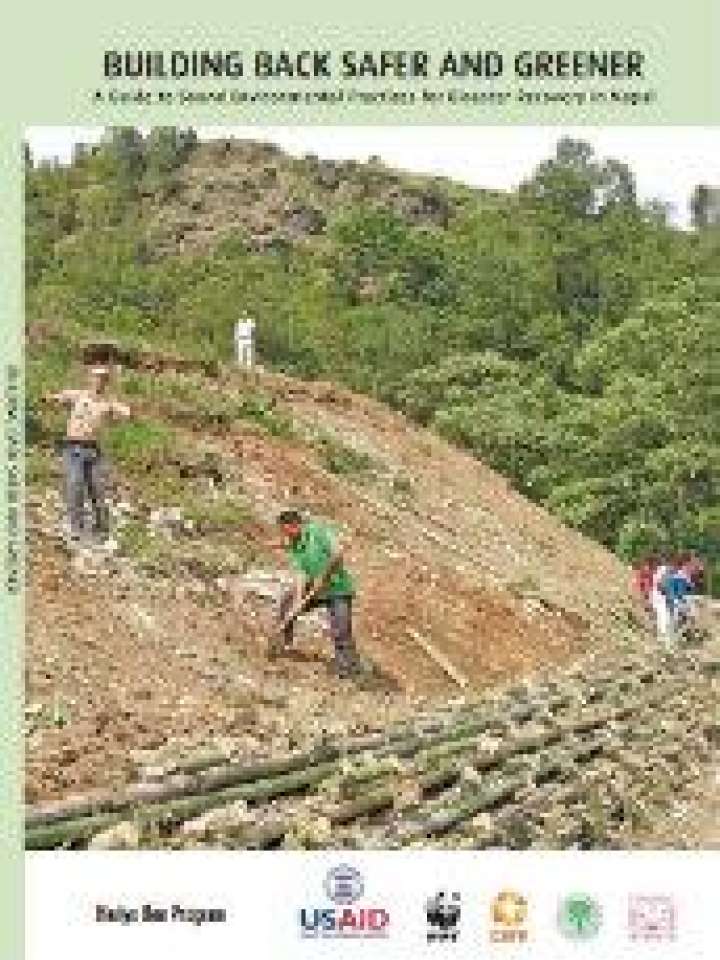
This guide outlines ways in which adverse environmental impacts can be avoided after disasters, and good practices can be promoted. It covers sectors including settlements and land use planning; building construction; waste management; energy; infrastructure; water, sanitation and hygiene; agriculture and livelihoods; and education. It highlights the importance of flood risk management, landslide prevention and treatment, and management of forests after disasters.
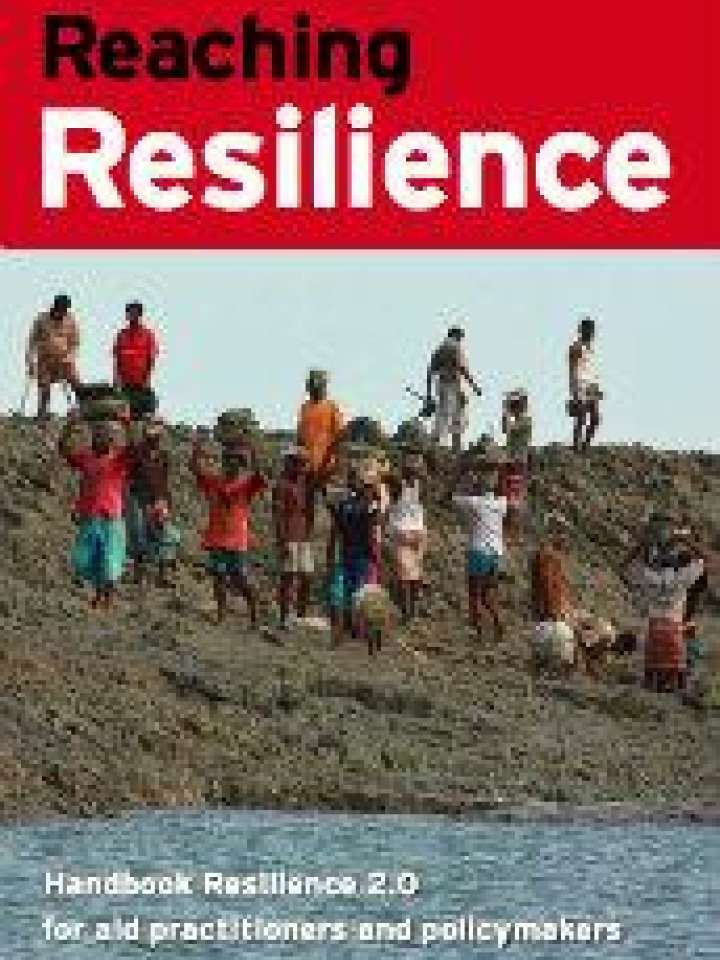
This handbook is designed to encourage thinking and provide insights and ideas about how to design well-integrated, step-by-step actions and strategies to foster resilience at the local level.
Wageningen University and Research Centre
CARE International
Groupe Urgence - Réhabilitation - Développement (Groupe URD)
This report summarises the proceedings at the 3rd Global Summit of Research Institutes for Disaster Risk Reduction, including the evaluation of the current status of DRR research, which highlighted the current understanding of different forms of risk, the
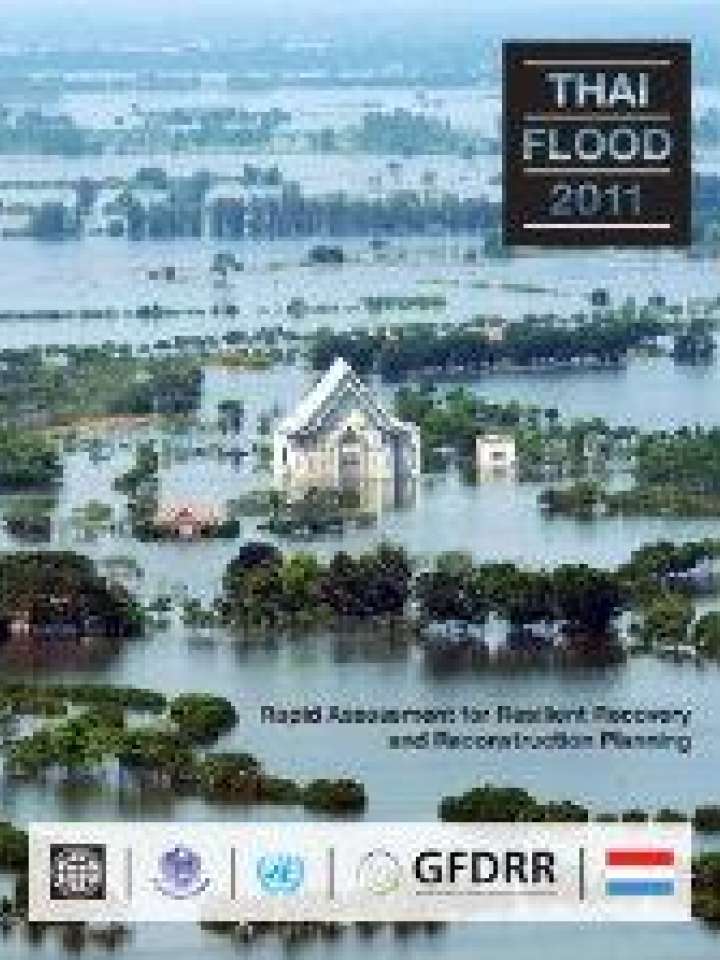
This Rapid Assessment for Resilient Recovery and Reconstruction Planning report is the result of an exercise initiated by the Royal Thai Government to assess the economic and social impact of the 2011 floods and prepare recovery and reconstruction plans.
Twenty-six of the country’s 66 affected provinces were included in the assessment, which examines 18 main sectors and used a comprehensive and internationally established methodology looking at damage and losses caused by the disaster. The report determines the country’s needs for post-disaster recovery and reconstruction and proposes short-, medium-, and long-term measures in each of the 18 sectors for a sustainable post-disaster reconstruction program. Drawing on global good practices for disaster risk management and building-back-better strategies, the report also gives suggestions on how to improve the resilience of the country’s infrastructure and its communities to the impacts of disasters.
World Bank, the
Global Facility for Disaster Reduction and Recovery, the (GFDRR)