Navigation failed to load. If you are on the UNDRR office network, your browser may be blocking access to external resources. Learn how to allow access.
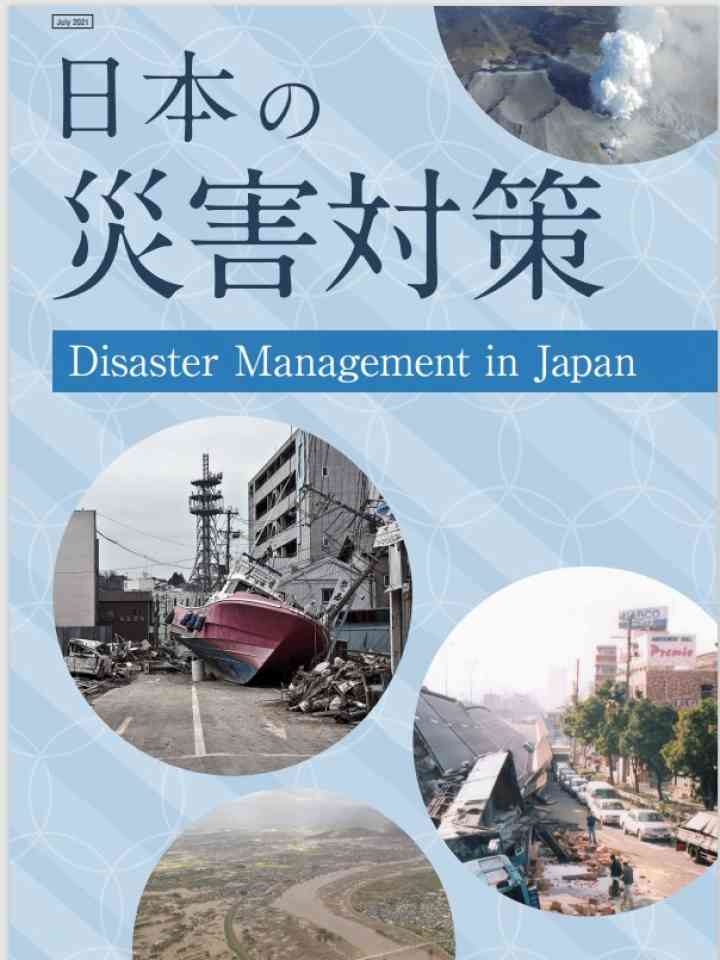
This document gives an overview of the challenges and progress made by Japan in disaster risk management (DRM). The document explains Japans disaster management system and the countermeasures taken by Japan in preventing, preparing, responding to, and recovering from disasters. It explains disaster reduction activities of citizens and draws attention to the role of awareness and disaster knowledge in the reduction of disasters. In addition, it explains the role of international cooperation in disaster reduction and specifically, in Japan's role in preventing and responding to disasters.
The policy has been developed to guide disaster risk management mainstreaming in Malawi by devising policy strategies aimed at achieving the long term goal of reducing disaster losses in lives and in the social, economic and environmental assets of
The policy brief draws on lessons learned from the Fukushima earthquake and elaborates on solutions for displaced populations trapped in uncertainty. It provides recommendations regarding: (i) durable solutions which systematically need to be established through ongoing re-examinations of policies, laws and institutions; (ii) social and psychological consequences as a key topic just as (re-)construction of physical infrastructure and environmental remediation; and (iii) displaced people, for them to exercise agency and take ownership of the process.
United Nations University - Institute for the Advanced Study of Sustainability (UNU-IAS)
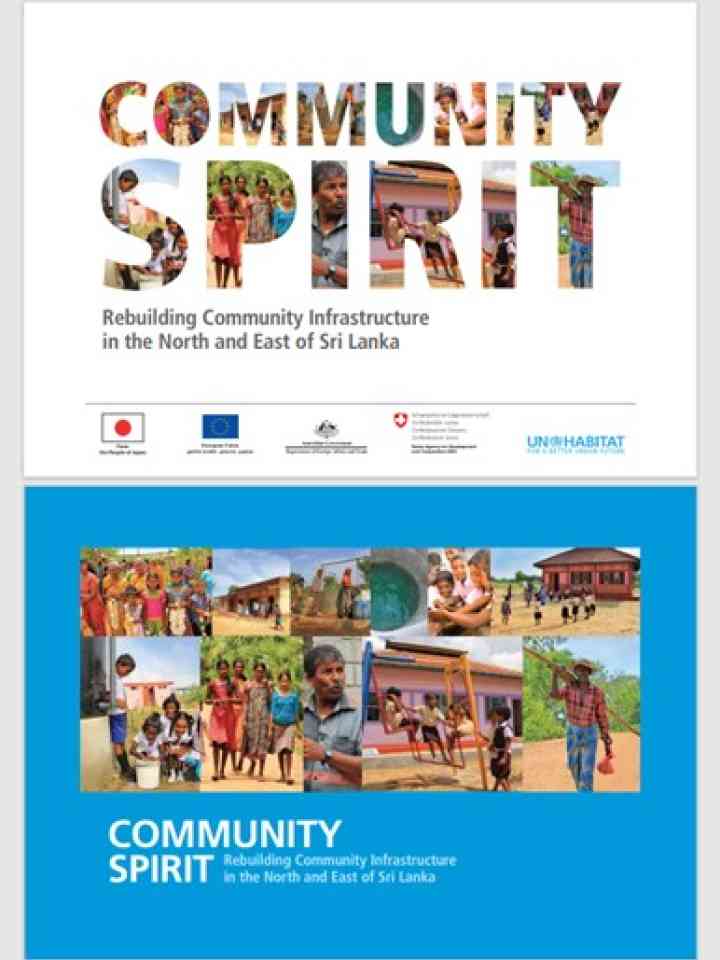
This photobook is a pictorial testimony of community recovery after conflict, highlighting the resilience and spirit of the people in the North and East of Sri Lanka.
United Nations Human Settlements Programme (UN-HABITAT)
Japan - government
European Union
Swiss Agency for Development and Cooperation, Federal Department of Foreign Affairs
Department of Foreign Affairs and Trade - Australia
This briefing paper elaborates upon four key points in mitigating hazards in the recovery phase. It explains that wise land-use planning prior to any natural event becoming a disaster is the best and most cost-effective means of reducing risk from hazards
This paper is part of a series highlighting the World Bank's achievements in disaster risk management initiatives. It presents the analytical support provided by the World Bank in close collaboration with the Global Facility for Disaster Reduction and Recovery (GFDRR) on the basis of the Government-led Post-Disaster Needs Assessment (PDNA) following the devastating 2009 typhoons, to formulate a disaster risk financing strategy to reduce the fiscal burden arising from the recurring costs of disasters in the Philippines.
World Bank, the
Global Facility for Disaster Reduction and Recovery, the (GFDRR)
This publication critically examines urban policies and projects from the perspective of climate change adaptation and disaster risk reduction, urban resiliency, inclusive cities, and the impacts of the informal economy.
United States Agency for International Development (USAID)
Woodrow Wilson International Center for Scholars, the