Navigation failed to load. If you are on the UNDRR office network, your browser may be blocking access to external resources. Learn how to allow access.
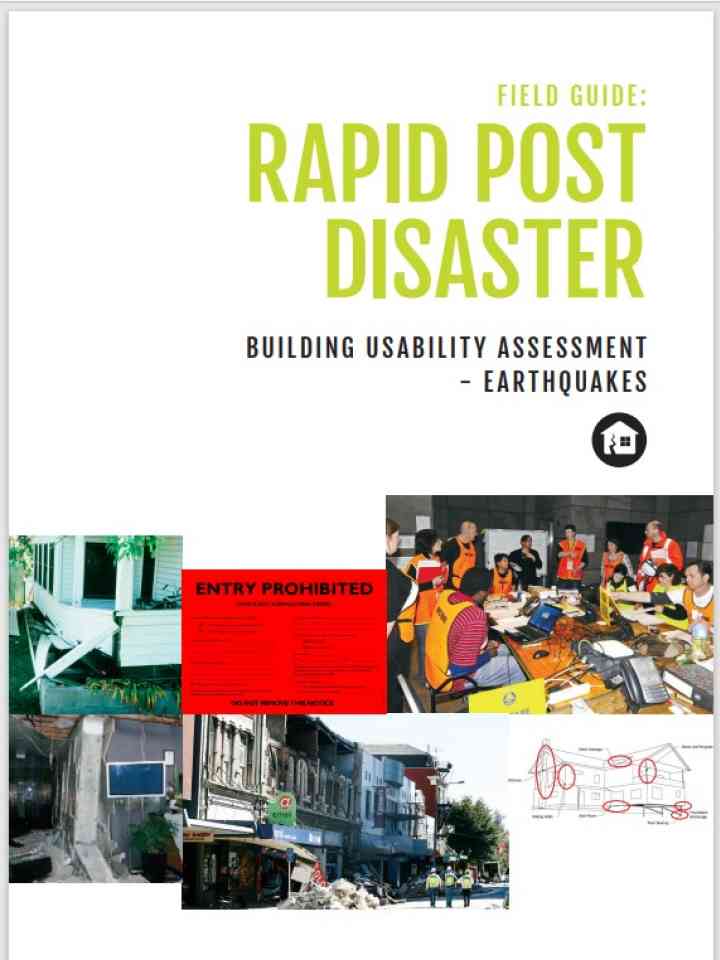
The objective of the rapid building assessment is to quickly establish the usability of buildings and associated infrastructure where functions may be compromised by a hazard event.
Ministry of Business, Innovation and Employment - New Zealand
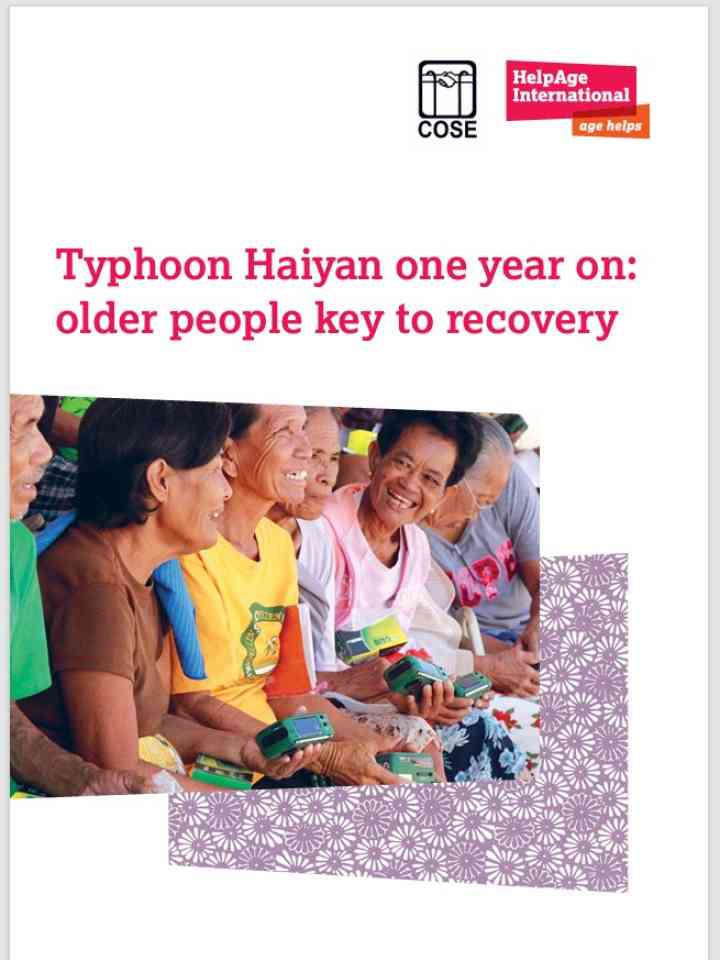
One year on from Typhoon Haiyan (local name Yolanda), this report is based on consultations with 162 children who survived the storm, ages 6 to 17 years.
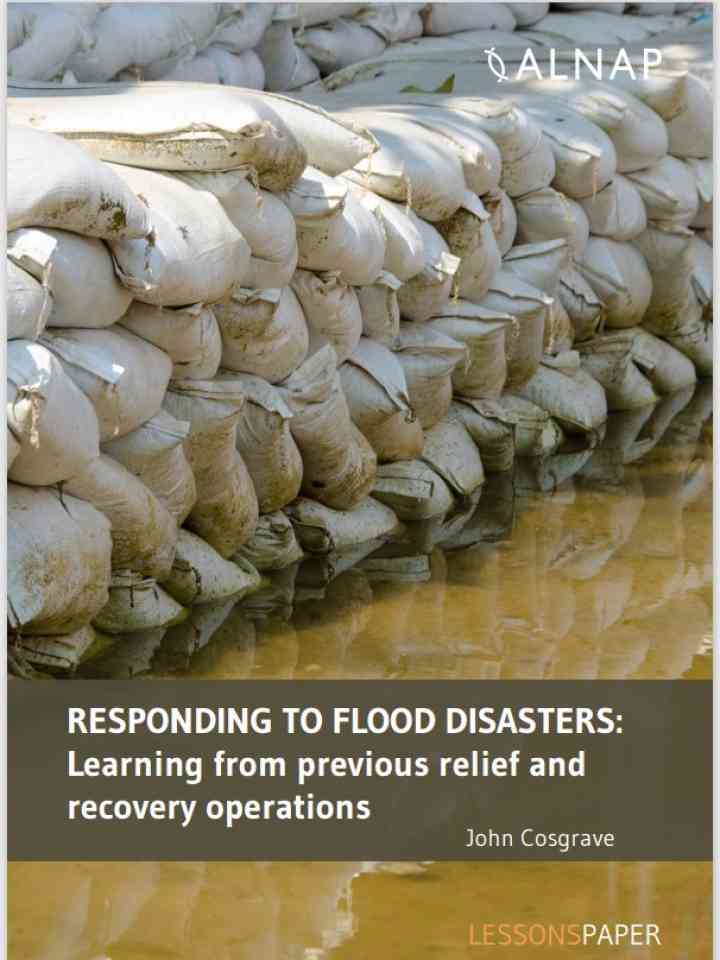
This paper presents lessons learned from previous flood responses in developing countries, based on a structured review of the literature for people working in relief and recovery operations who have to decide if, when and how to intervene after a flood.
Active Learning Network for Accountability and Performance (ALNAP)
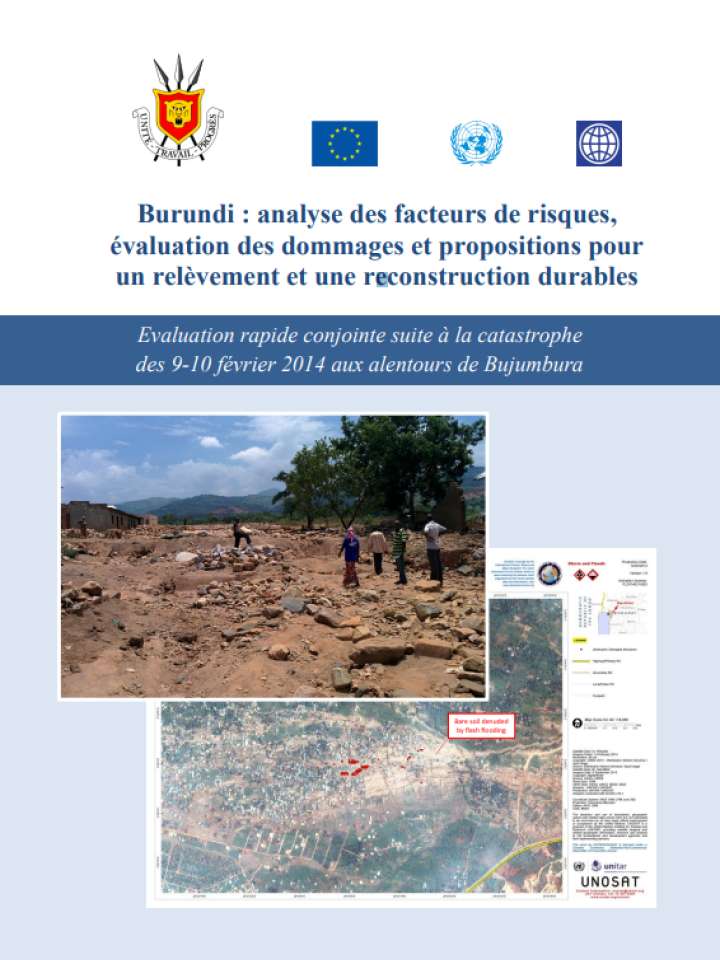
The objective of this assessment is to determine the risk factors, damage and activities to contribute to the rehabilitation, reconstruction and safeguards of infrastructure following the floods of February 9-10, 2014 in Burundi.
Burundi - government
European Union
African Development Bank
World Bank, the
United Nations Development Programme (UNDP)
United Nations Children's Fund (UNICEF)
World Food Programme (WFP)
Food and Agriculture Organization of the United Nations (FAO)
This document considers how the nature of urban space and of urban populations influences disasters in cities; it discusses the question of urban disasters in comparison with rural disasters and factors that can decrease the risk and potential impact of
Active Learning Network for Accountability and Performance (ALNAP)