Navigation failed to load. If you are on the UNDRR office network, your browser may be blocking access to external resources. Learn how to allow access.
This issue of the newsletter is a compendium of perspectives and views by a group of students from Oxford Brookes University that visited 2 districts of Gujarat to study the long-term impacts of recovery from the 2001 earthquake. Contributions from John Twigg and other reputed academics are also included in this issue.
The PDNA of the 2014 Pico do Fogo volcanic eruption provides the country of Cabo Verde with an assessment based on an internationally accepted methodology for resource and partnership mobilization in order to recover and reconstruct after a disaster event
ACP-EU Natural Disaster Facility
Cabo Verde - government
Global Facility for Disaster Reduction and Recovery, the (GFDRR)
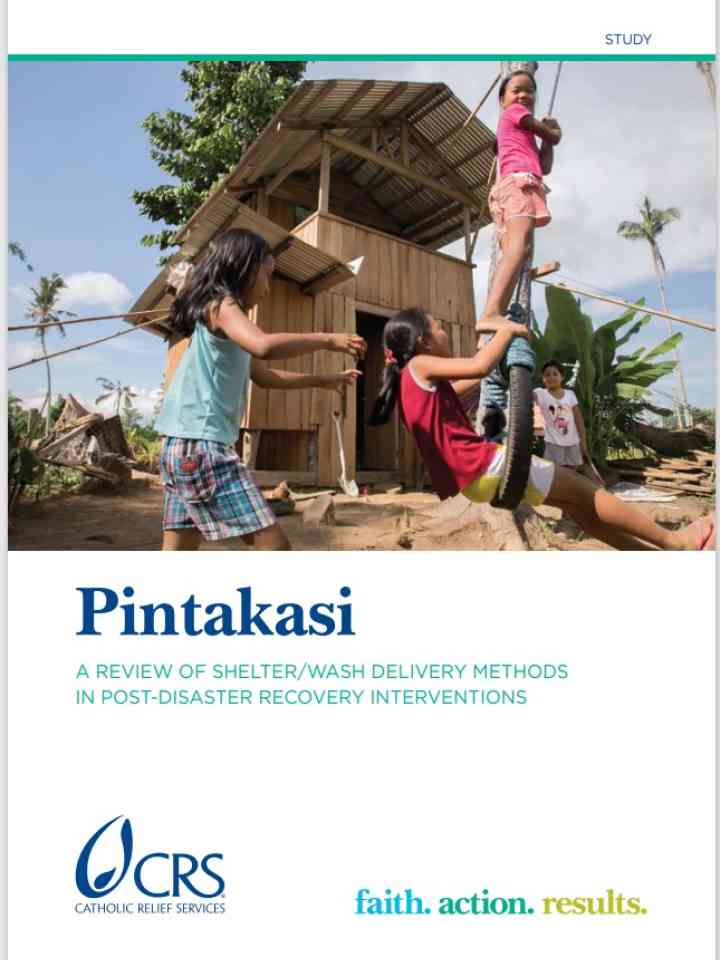
This study hopes to contribute valuable lessons learned and share best practices from the program to the shelter/WASH recovery communities of practice within the humanitarian sector as a whole.
This review looks at the state of evidence on humanitarian and disaster risk reduction (DRR) interventions which aim to reinforce economic resilience in view of anticipated shocks and support economic recovery after a shock, both in situations of natural
This brief documents some of the positive as well as the negative experiences in Sri Lanka recovery process during the then years following the 2004 Indian Ocean Tsunami.
This scoping study explores the resilience strategies of households in multiple livelihood systems by describing how households in Darfur have coped with conflict and other shocks over the past fifteen years. It begins with a brief description of