Mission
Tonga is a Polynesian kingdom of more than 170 South Pacific islands, many uninhabited, most lined in white beaches and coral reefs and covered with tropical rainforest.
Items: 10
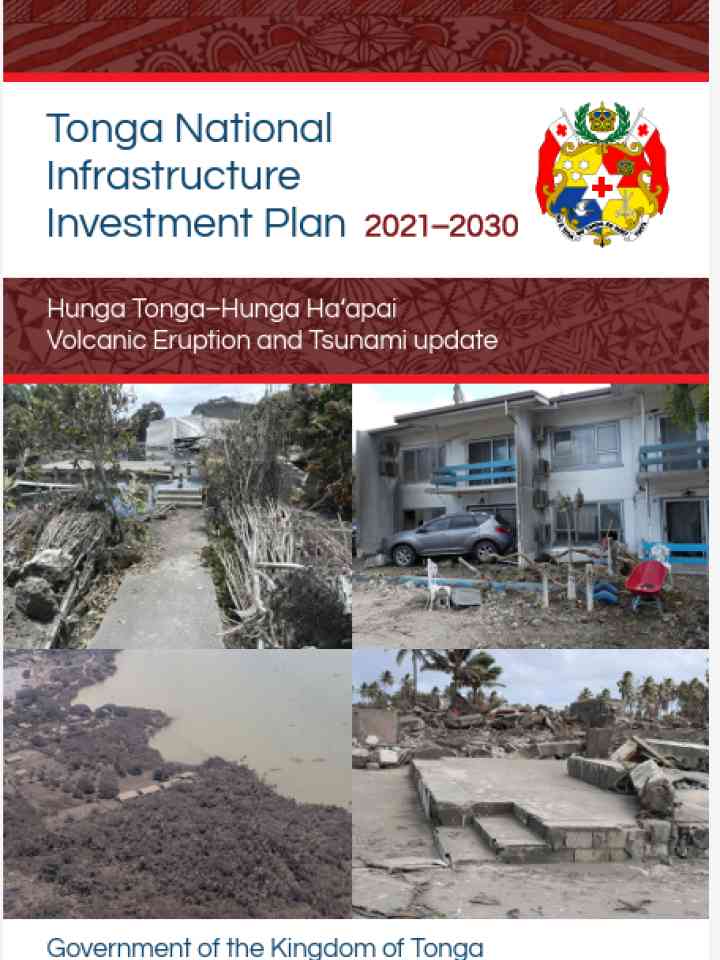
This report updates Tonga’s National Infrastructure Investment Plan to incorporate recovery and resilience priorities following the Hunga Tonga–Hunga Haʻapai volcanic eruption and tsunami, guiding infrastructure investment decisions.
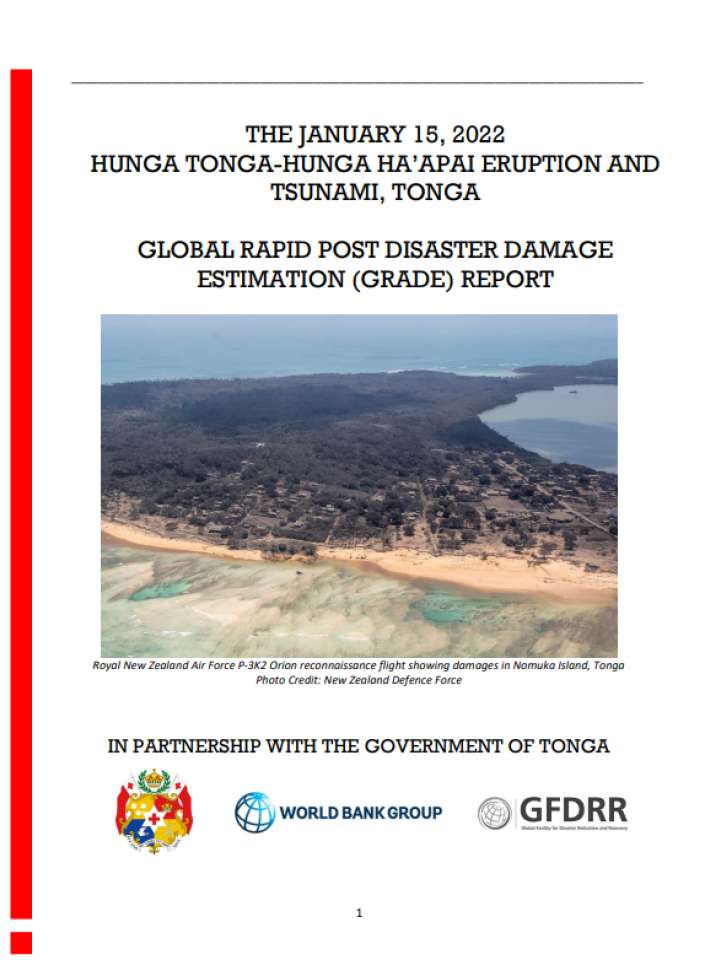
This is the Global Rapid Post-Disaster Damage Estimation report on the January 15 eruption, providing estimated costs of the physical damages caused by the volcanic eruption and tsunami.
This disaster risk finance strategy brings together various ongoing and planned efforts from different sectors to quantify, reduce, and mitigate disaster-related financial risk.
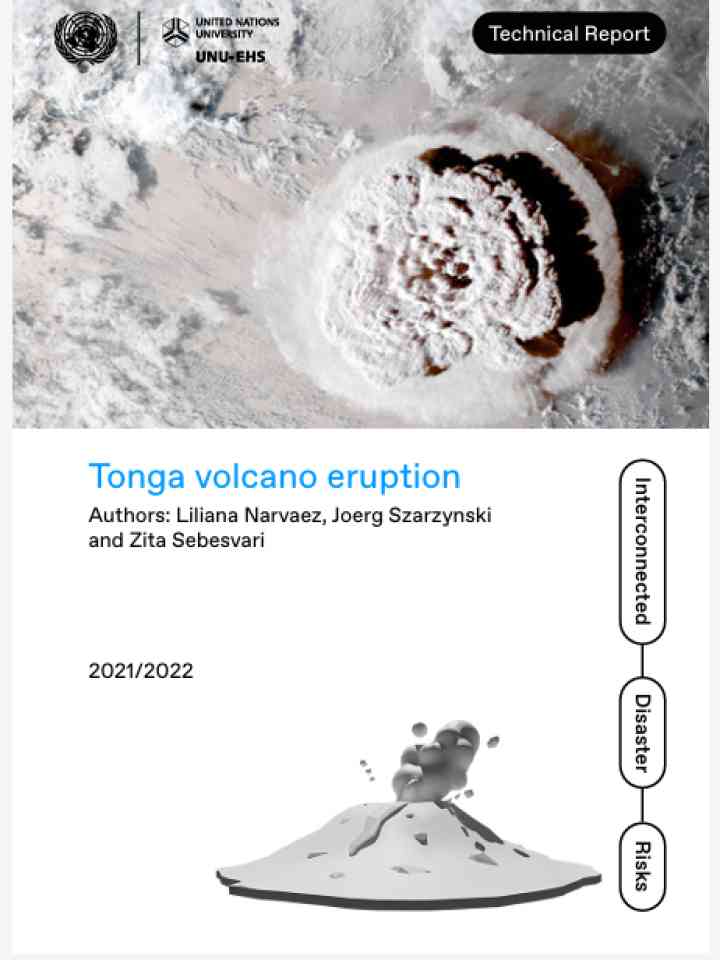
This report analyses the impacts of the Hunga Tonga–Hunga Haʻapai volcanic eruption, highlighting damage to infrastructure, livelihoods, and essential services, and outlining early recovery and resilience considerations for Tonga.
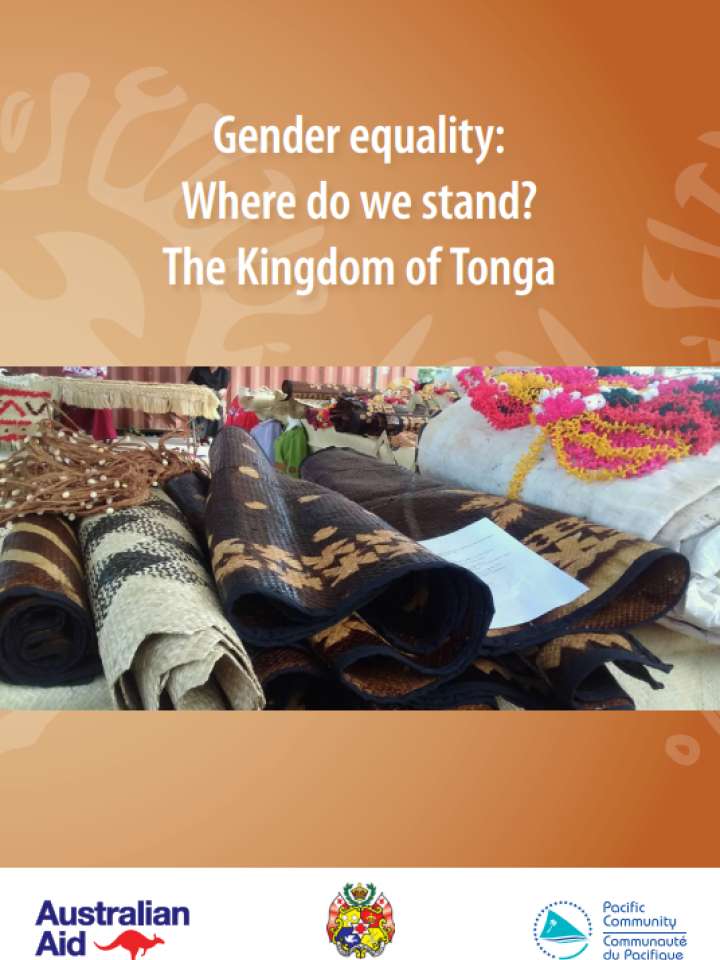
This publication is aimed to assess and evaluate progress toward gender equality in Tonga using the framework of the Revised National Policy on Gender and Development.
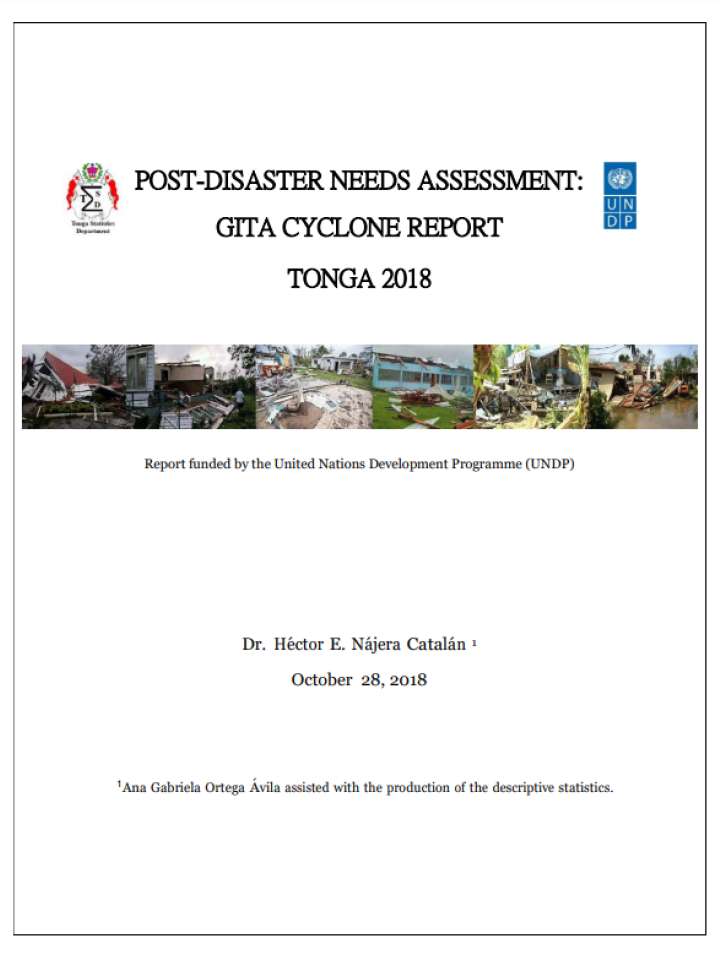
This document uses the post-disaster data collected by the Statistical Department of Tonga to describe the characteristics of the affected population, nature and spatial concentration of the damage by the Cyclone Gita, and the aid required and received.
Tropical Cyclone Gita passed over the Tongatapu and ‘Eua island groups. This post-disaster rapid assessment summarizes damages and losses to several different sectors, human and social impacts, and recovery and reconstruction needs,
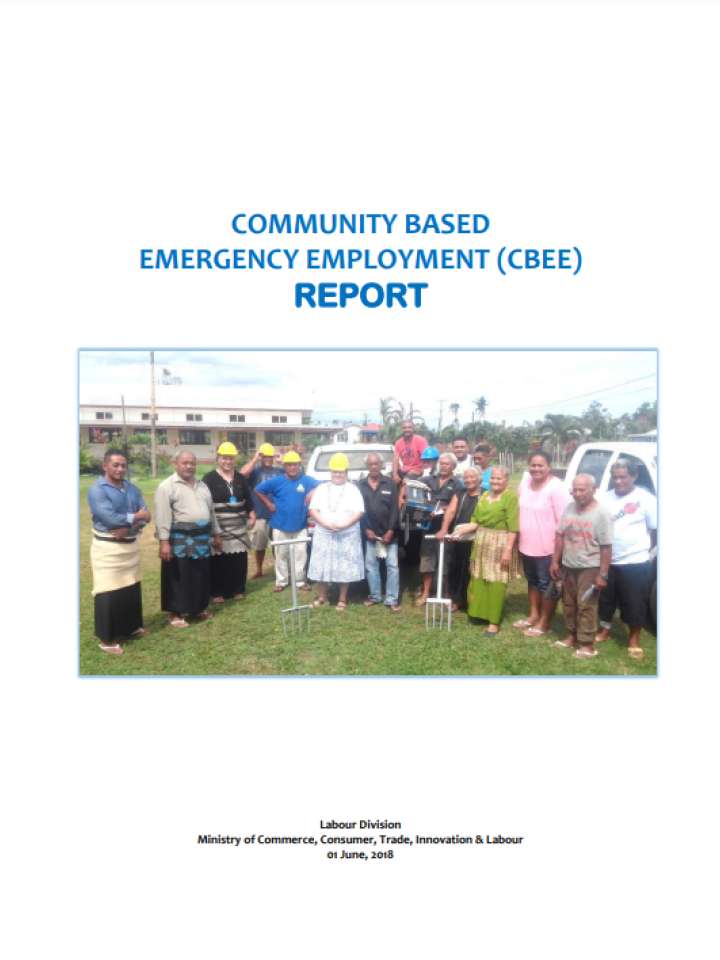
This report presents the description of the Community Based Emergency Employment program (CBEE) including the monitoring of its progress, developed after Tropical Cyclone Gita hit and devastated Tonga in 2018.
Voluntary Commitments
The organization has no registered commitments.
The Sendai Framework Voluntary Commitments (SFVC) online platform allows stakeholders to inform the public about their work on DRR. The SFVC online platform is a useful toolto know who is doing what and where for the implementation of the Sendai Framework, which could foster potential collaboration among stakeholders. All stakeholders (private sector, civil society organizations, academia, media, local governments, etc.) working on DRR can submit their commitments and report on their progress and deliverables.