PreventionWeb
Menu
Last updated 31 Jan 2025

Chernobyl disaster 1986
Image

Introduction

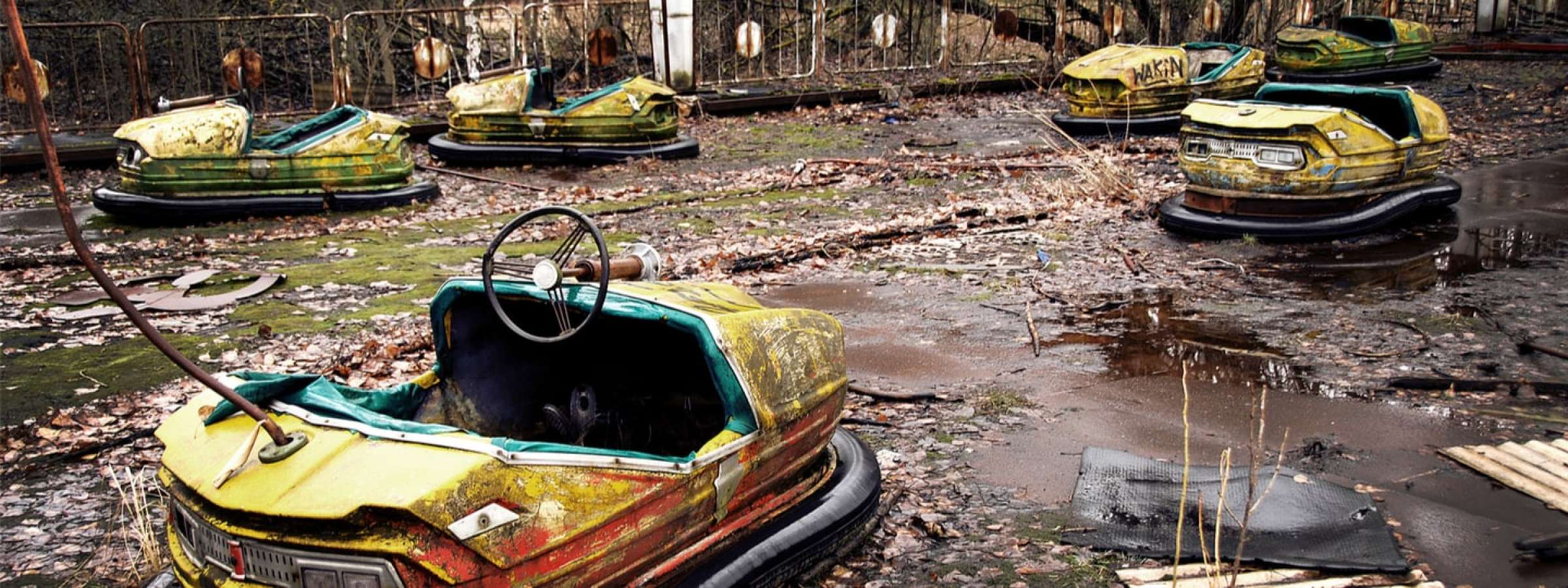
The Chernobyl disaster was the worst nuclear power plant accident of the 20th century. The Chernobyl disaster began on 26 April 1986 with the explosion of the No. 4 reactor of the Chernobyl Nuclear Power Plant, near the city of Pripyat in the north of the Ukrainian SSR, close to the border with the Byelorussian SSR, in the Soviet Union.

The disaster exposed the far-reaching consequences of low-probability, high-impact technological hazards, including large-scale radioactive contamination, long-term environmental damage, mass displacement, and enduring public health and psychosocial impacts across multiple countries. The event also highlighted challenges in early warning, risk communication, and cross-border coordination during complex emergencies.

This page brings together diverse knowledge products, including research reports, policy analyses, historical assessments, and case studies that examine both the immediate response and decades-long recovery process following the disaster.

Hazards
NBC - Nuclear, Biological, Chemical

Knowledge base

Items: 2
Documents and publications
27 April 2010
Environmental emergencies: learning from multilateral response to disasters

This publication, which highlights success stories and lessons learned, intends to raise awareness of the devastation that an environmental emergency can cause, and to promote advocacy and action in response, including the risk reduction perspective. As

United Nations Environment Programme (UNEP)
United Nations Office for the Coordination of Humanitarian Affairs
Documents and publications
24 February 2009
CHARP focus: Chernobyl humanitarian assistance and rehabilitation programme - 20 years on

The aim of the book is to raise the awareness of the donors and general public to the ongoing long-term effects of this disaster. This book of images from the Chernobyl zone shows the daily work of the Red Cross teams, as well as the daily reality for

International Federation of Red Cross and Red Crescent Societies (IFRC)

Is this page useful?

Yes No
Report an issue on this page

Thank you. If you have 2 minutes, we would benefit from additional feedback (link opens in a new window).

The International Recovery Platform (IRP) is a global partnership working to strengthen knowledge, and share experiences and lessons on building back better in recovery, rehabilitation, and reconstruction.

Latest IRP videos and photos: YouTube Flickr Contact IRP

Loading