Navigation failed to load. If you are on the UNDRR office network, your browser may be blocking access to external resources. Learn how to allow access.
La presente publicación constituye una parte de la Guía 5 Evaluación y Rehabilitación de Estructuras, la cual a su vez es parte de los documentos producto del proyecto DIPECHO-NEC, "Fortalecimiento de capacidades institucionales y comunitarias a nivel
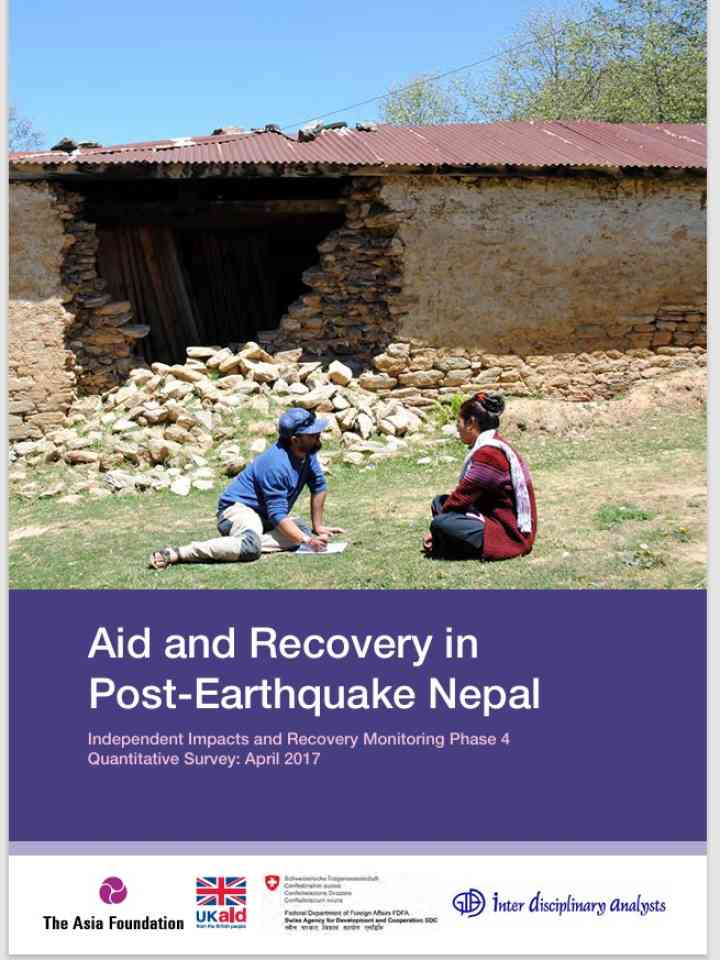
This report provides findings from the fourth in a series of large-scale surveys, conducted in April 2017, two years on from the devastating earthquakes that hit Nepal.
This provides a detailed examination of the challenges, strategies, and best practices in housing recovery efforts following disasters, emphasizing the importance of governance structures, community engagement, and equitable distribution of resources.
Oxford Research Encyclopedia of Natural Hazard Science
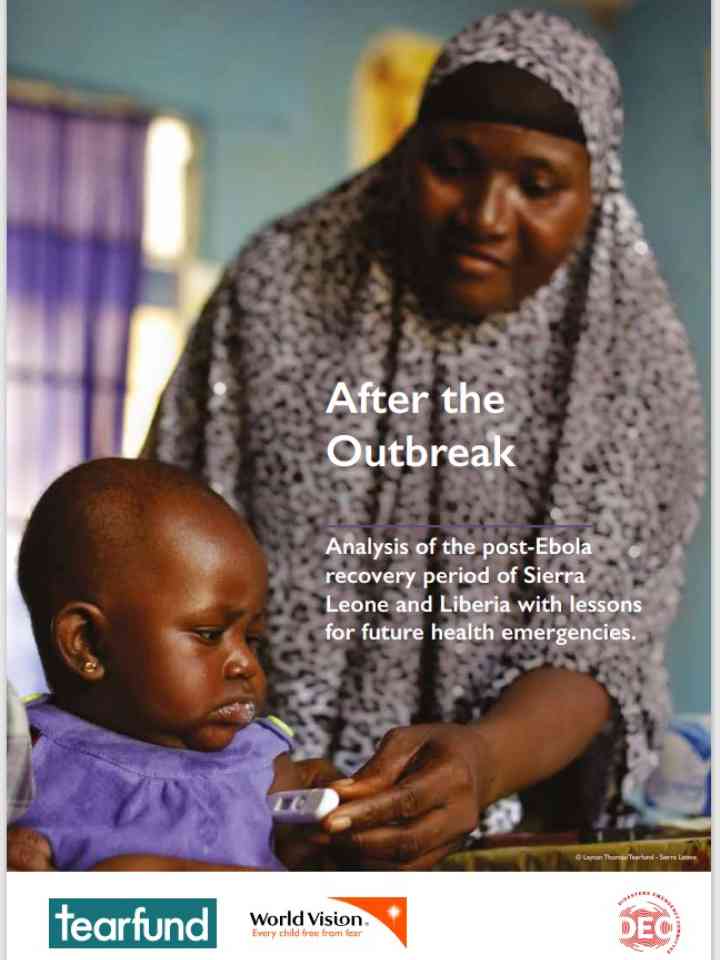
This study evaluates Sierra Leone and Liberia’s road to recovery by analysing their post-Ebola policies (particularly those for survivors and affected persons) and how these have been implemented in practice.
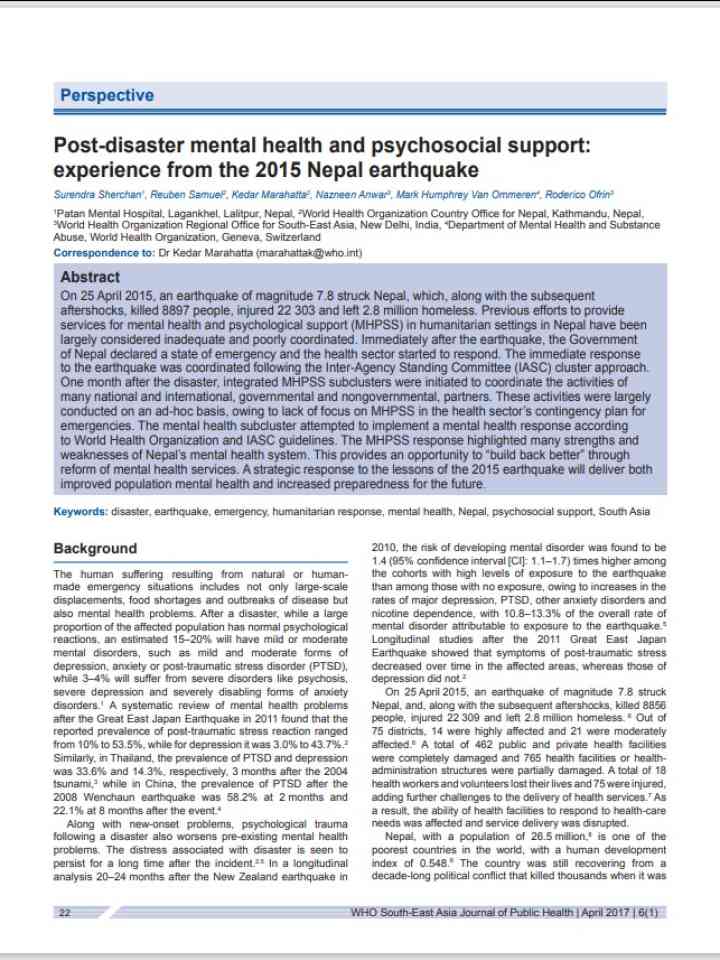
This is case study about mental health and psychosocial support after an earthquake of magnitude 7.8 struck Nepal, which killed 8897 people, injured 22 303 and left 2.8 million homeless.
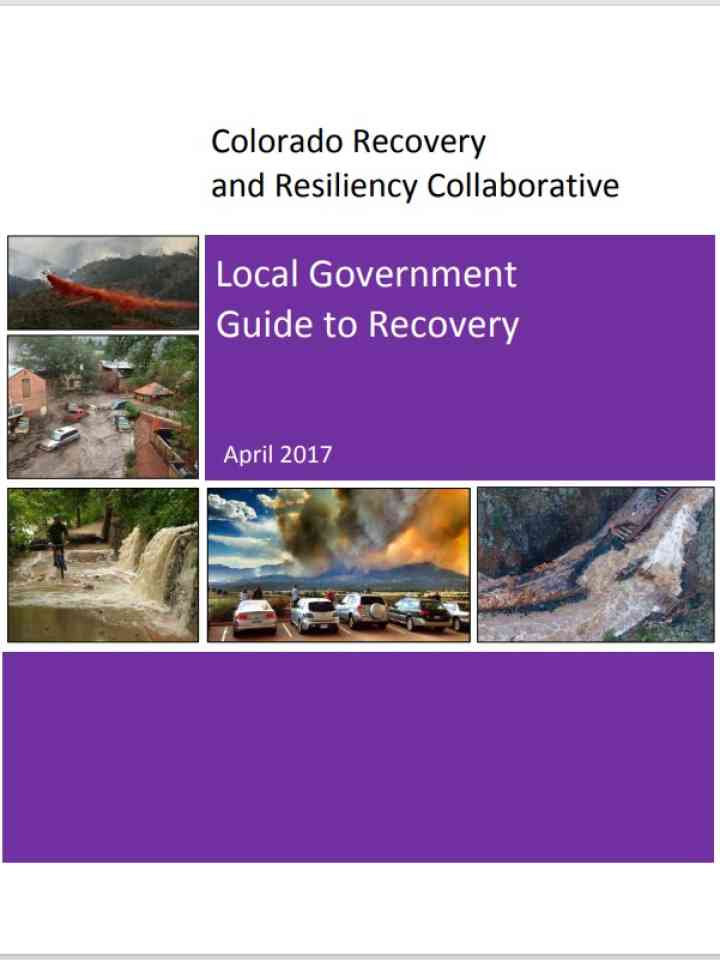
This Local Government Guide to Recovery is an attempt by those most affected by recent events in Colorado to pass along valuable lessons to others that may one day face the same challenges.
This publication reports on a project that assessed current societal expectations of acceptable lifeline performance levels and restoration timeframes that are informed by the phases of response and recovery, distinguishing those that are hazard independent and those that are specific for seismic (including tsunami), wind (including hurricane and tornado), flood, snow/ice, and wildfire hazard events.
This Guide was developed to support the implementation of the Decent Work Agenda in fragile, conflict and disaster contexts in response to numerous requests from ILO officials and constituents that wished to be better informed about ILO’s capacity, added