Navigation failed to load. If you are on the UNDRR office network, your browser may be blocking access to external resources. Learn how to allow access.
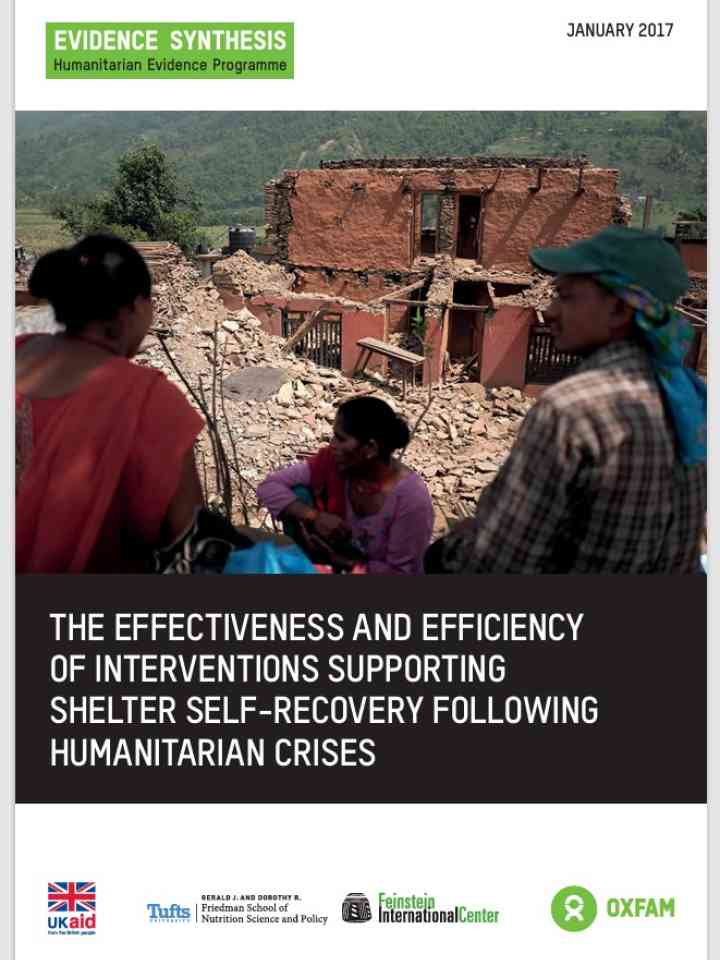
This report investigates both the process of implementing humanitarian interventions supporting shelter self-recovery and the effects of the interventions.
This paper discusses the post-conflict health system recovery process, including integration of disaster risk reduction (DRR) into health recovery interventions, its strengths, challenges and lessons learnt. It seeks to inform the post-2015 Hyogo Framework for Action (HFA) post-conflict/disaster health system recovery agenda in Africa.
United Nations Office for Disaster Risk Reduction (UNDRR)
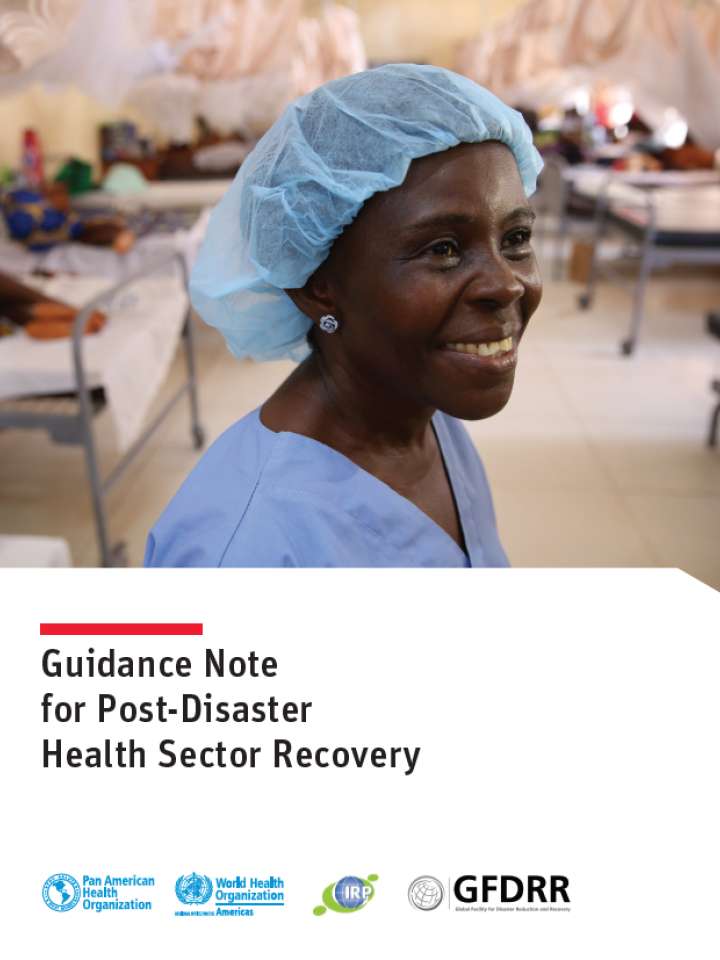
This Guidance Note for Post-Disaster Health Sector Recovery is intended to provide action-oriented guidance to local and central government health sector officials who face post-disaster challenges related to health sector recovery.
Pan American Health Organization
International Recovery Platform
Global Facility for Disaster Reduction and Recovery, the (GFDRR)
The Recovery and Peacebuilding Assessment is an approach to identify and address recovery and peacebuilding requirements and lays the foundations for a longer-term strategy in a country facing conflict or transitioning out of a conflict-related crisis.
United Nations Development Programme (UNDP)
Global Facility for Disaster Reduction and Recovery, the (GFDRR)
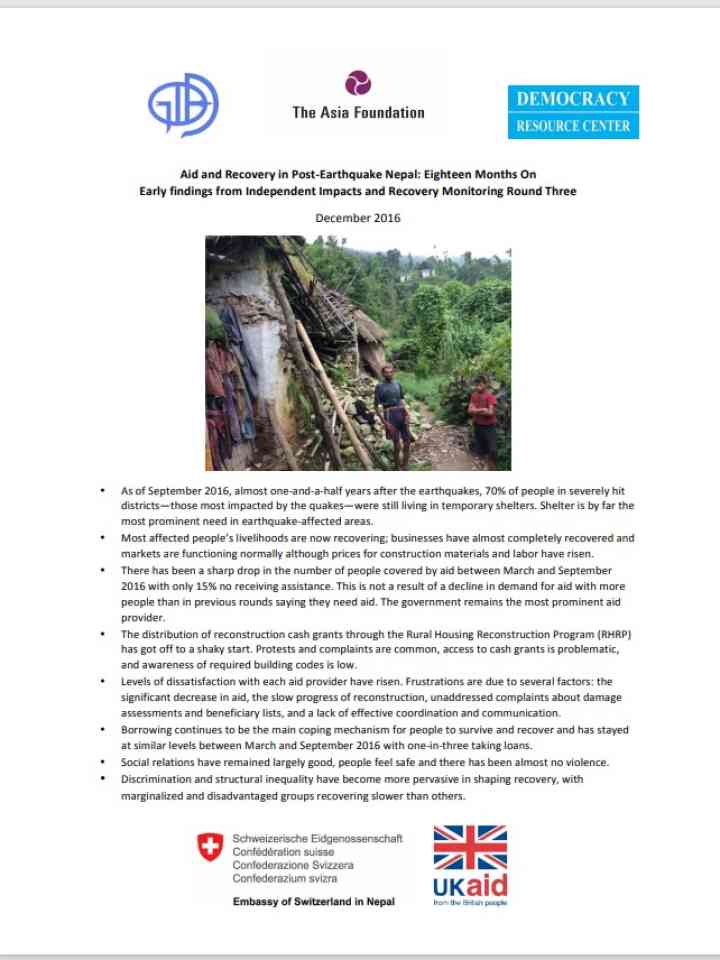
This brief provides preliminary findings from the third round of Independent Impacts and Recovery Monitoring Nepal (IRM) project, which was conducted after one and half year of Nepal eatthquake.
This report outlines and examines the changes made to Humanitarian Assistance and Disaster Relief (HADR) in the Philippines based on lessons from Super Typhoon Haiyan.