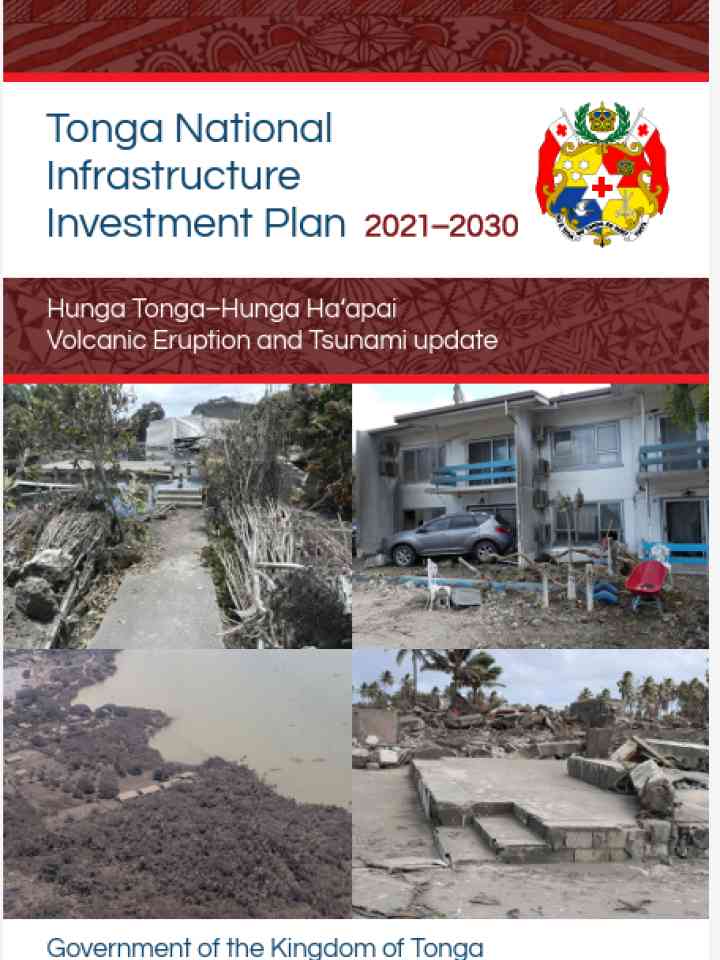
This report updates Tonga’s National Infrastructure Investment Plan to incorporate recovery and resilience priorities following the Hunga Tonga–Hunga Haʻapai volcanic eruption and tsunami, guiding infrastructure investment decisions.
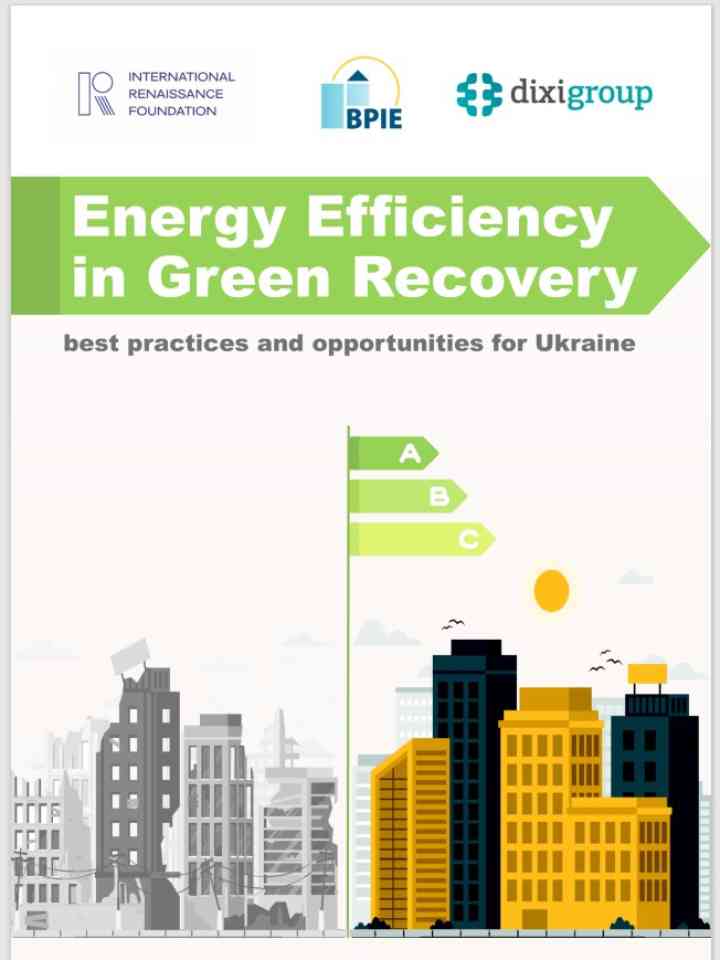
The DiXi Group together with BPIE, have brought together their EU expertise and best practices on energy efficiency in buildings, to develop an approach for Ukraine's reconstruction and recovery.
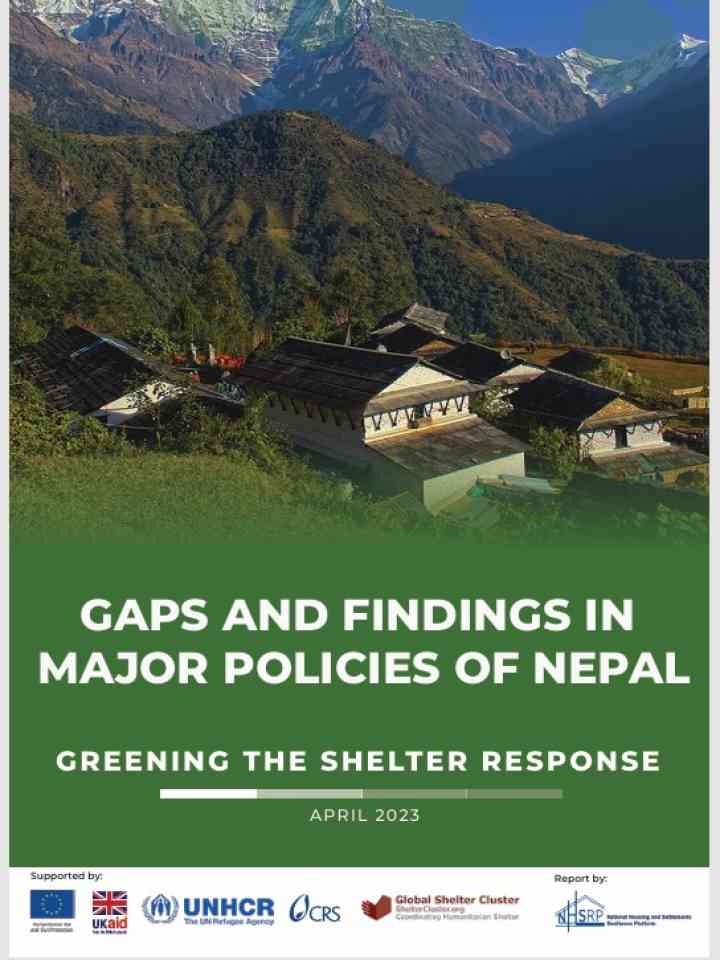
This report examines Nepal's existing policies regarding environmentally sustainable shelter practices, identifies gaps in these frameworks, and recommends comprehensive policy development to enhance green recovery following disasters.
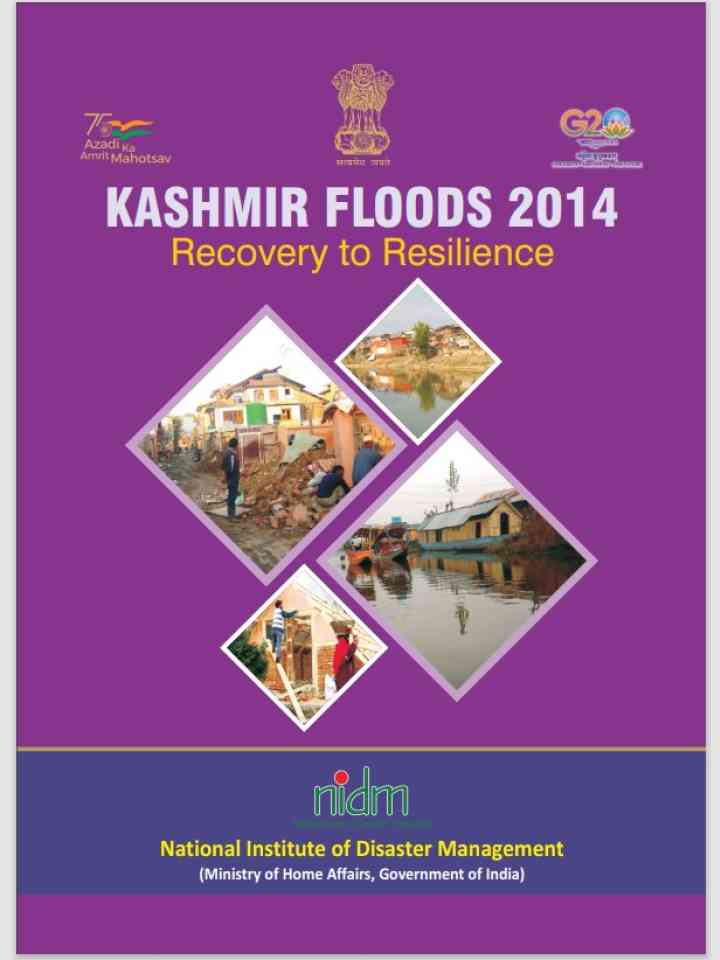
The flood of 2014 in the Kashmir Valley was the worst flood in the last hundred years. This document has also suggested long-term measures that should be taken for building resilience.
This paper is an attempt to draw focus on the issue of managing solid waste in post-disaster situations in the context of India and to prepare conclusions, recommendations and way forward for managing wastes during and after the disasters.
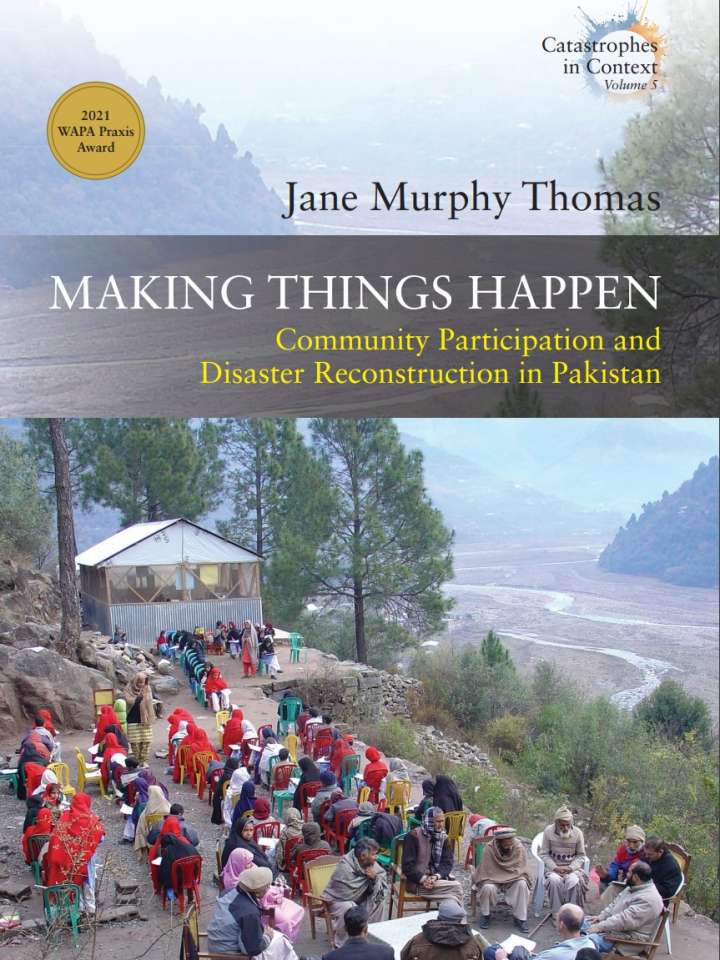
This books draws on the Pakistan Earthquake Reconstruction and Recovery Project (PERRP) to explore the sociocultural side of post-disaster infrastructure reconstruction, and the successful use of anthropological and participatory approaches.
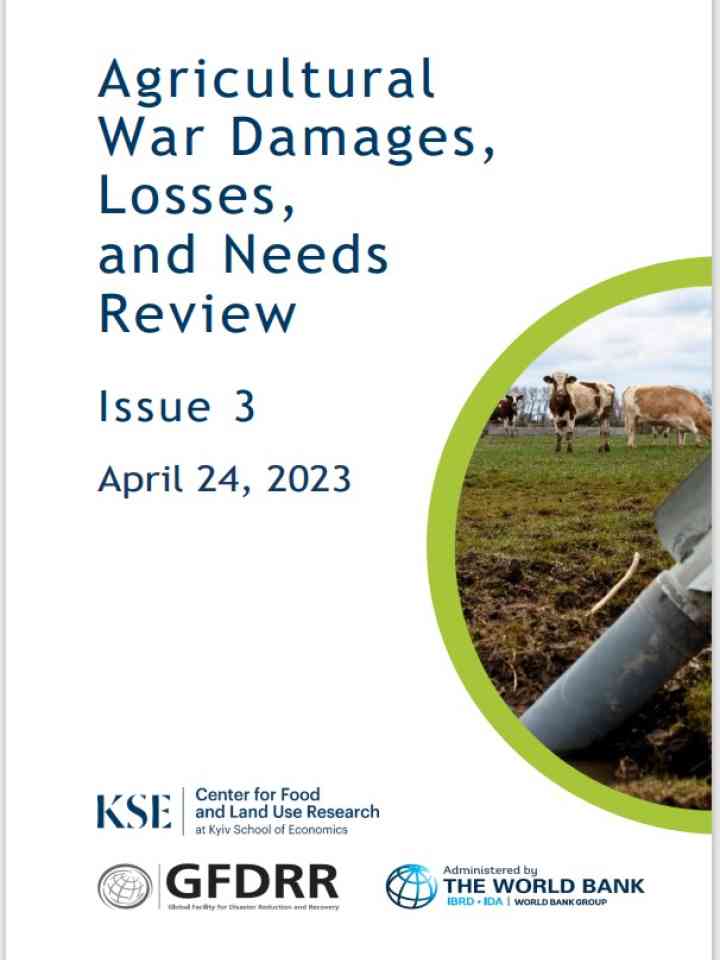
This Report presents the details of the Rapid Damage and Needs Assessment (RDNA) that was carried out for Agriculture Sector of Ukraine as part of the second RDNA report prepared.
Kyiv School of Economics
World Bank, the
Global Facility for Disaster Reduction and Recovery, the (GFDRR)