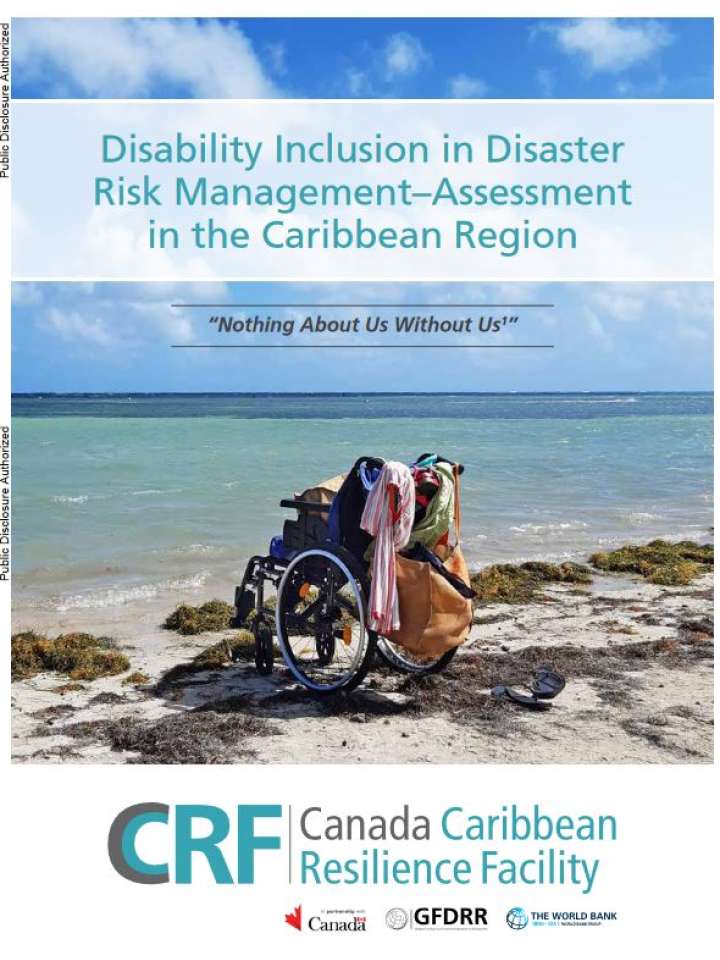
The primary purpose of this assessment is to understand gaps better in the inclusion of persons with disabilities in national disaster risk management (DRM) and climate resilience (CR) processes and strategies in the Caribbean.
World Bank, the
Global Facility for Disaster Reduction and Recovery, the (GFDRR)
This study investigated the impact of COVID-19 on disaster recovery from various types of hazards, with regard to preparedness, evacuation, early recovery, awareness and knowledge of different types of hazards.
International Journal of Disaster Risk Reduction (Elsevier)
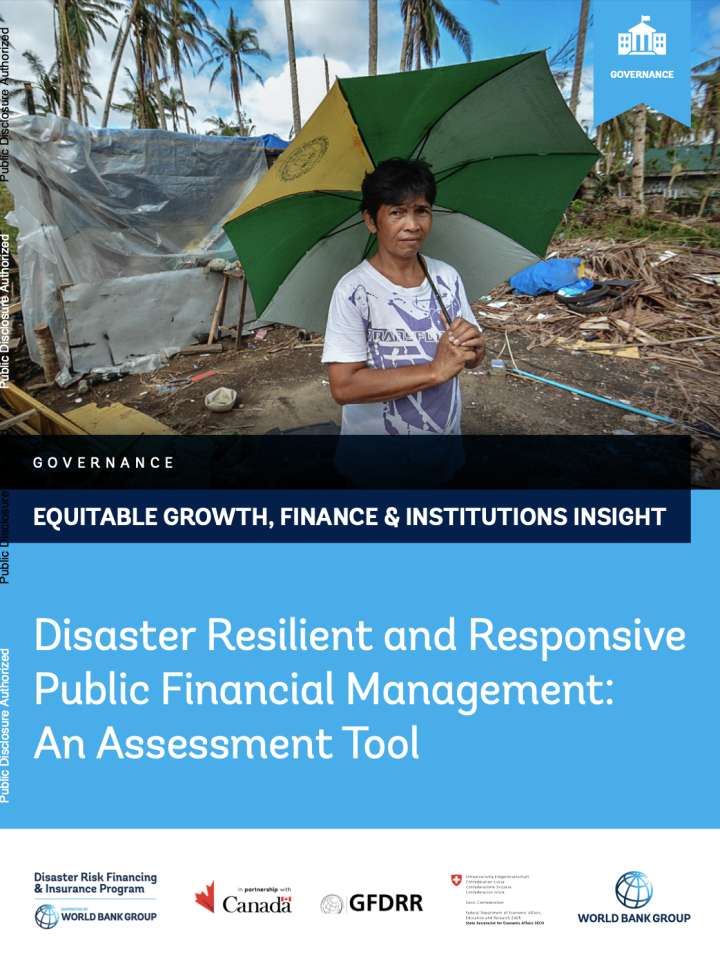
The Disaster Resilient and Responsive Public Financial Management (DRR-PFM) Assessment is designed to help countries strengthen the capability of their Public Financial Management (PFM) systems to prepare for, respond to, and recover from disasters.
World Bank, the
Government of Canada
Global Facility for Disaster Reduction and Recovery, the (GFDRR)
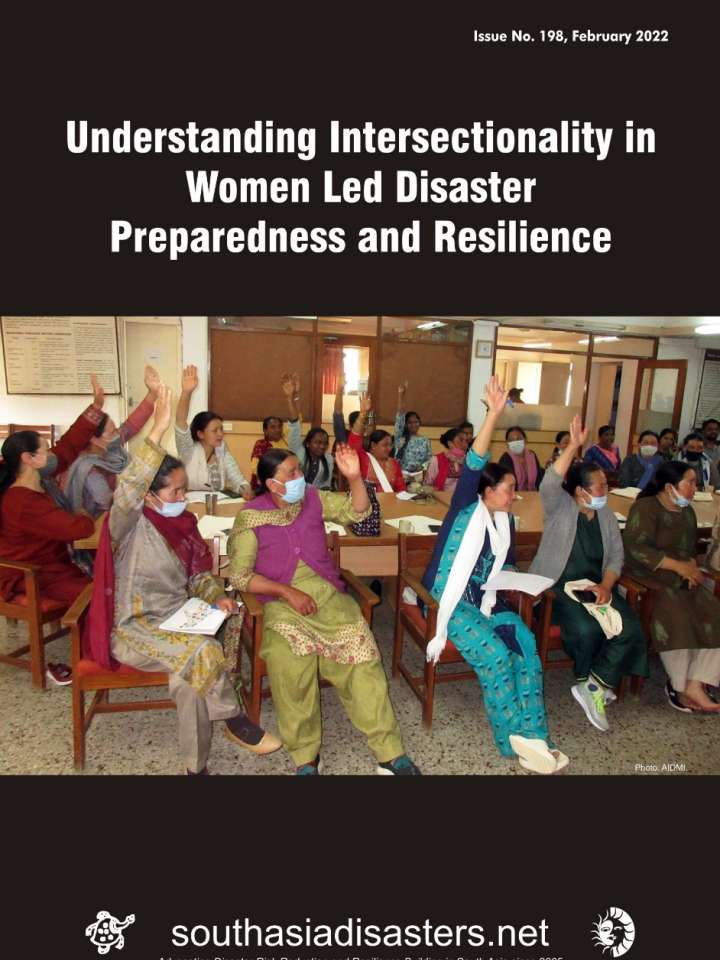
This issue highlights the interplay of risk, resilience and gender. It seeks to highlight the concept of ‘differentiated vulnerability’ to disasters and extreme events as experienced by women and girls as compared to boys and men.
This study builds on natural hazards behavior, community development, participatory, and codesign research to understand current community engagement approaches in an Australian context.
The normative dimensions of flood harm in flood risk management (FRM) have become salient in a milieu of extreme flood events. In this article, two types of flood harm will be discussed. They are namely, risk harm and outcome harm.
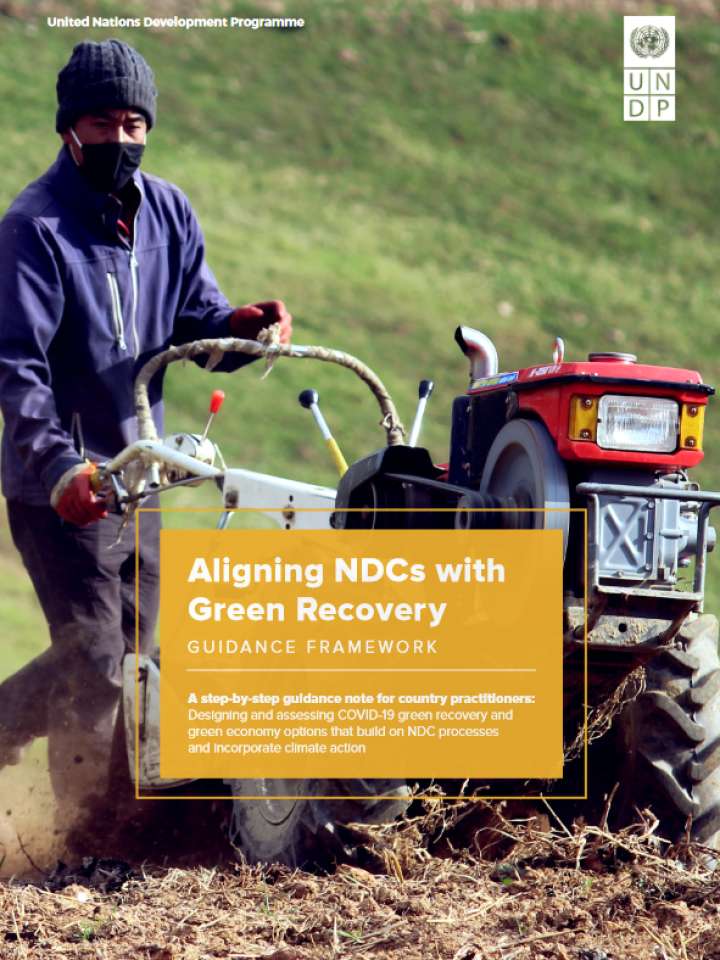
The objective of this document is to present a step-by-step framework to support countries to design and assess green recovery and green economy options that build on NDC processes and incorporate climate action.