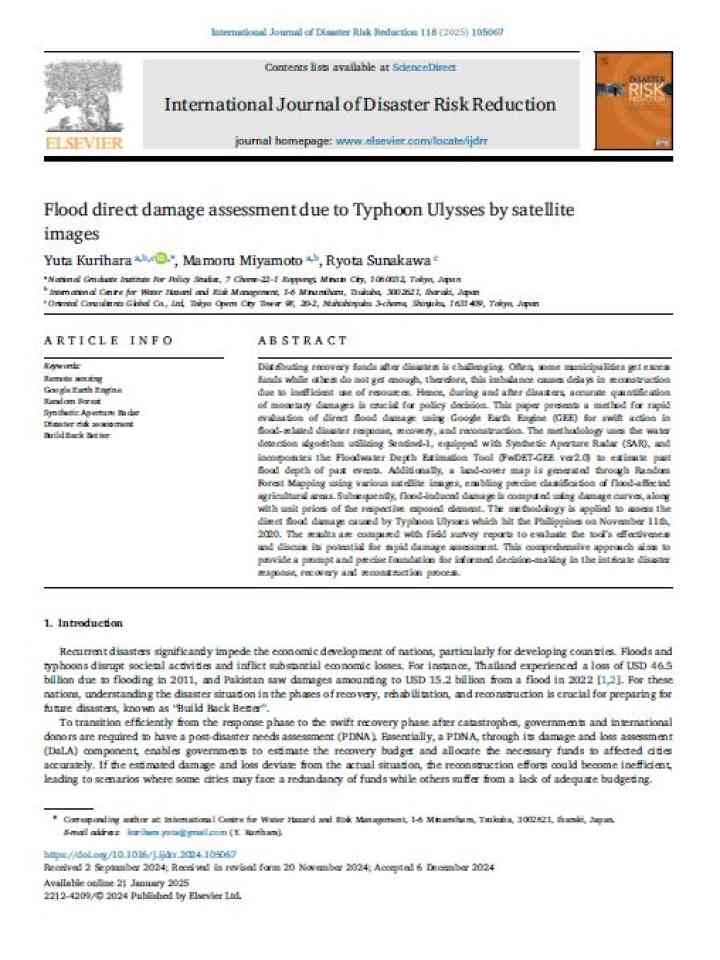
This paper presents a method for rapid evaluation of direct flood damage using Google Earth Engine (GEE) for swift action in flood-related disaster response, recovery, and reconstruction.
International Journal of Disaster Risk Reduction (Elsevier)
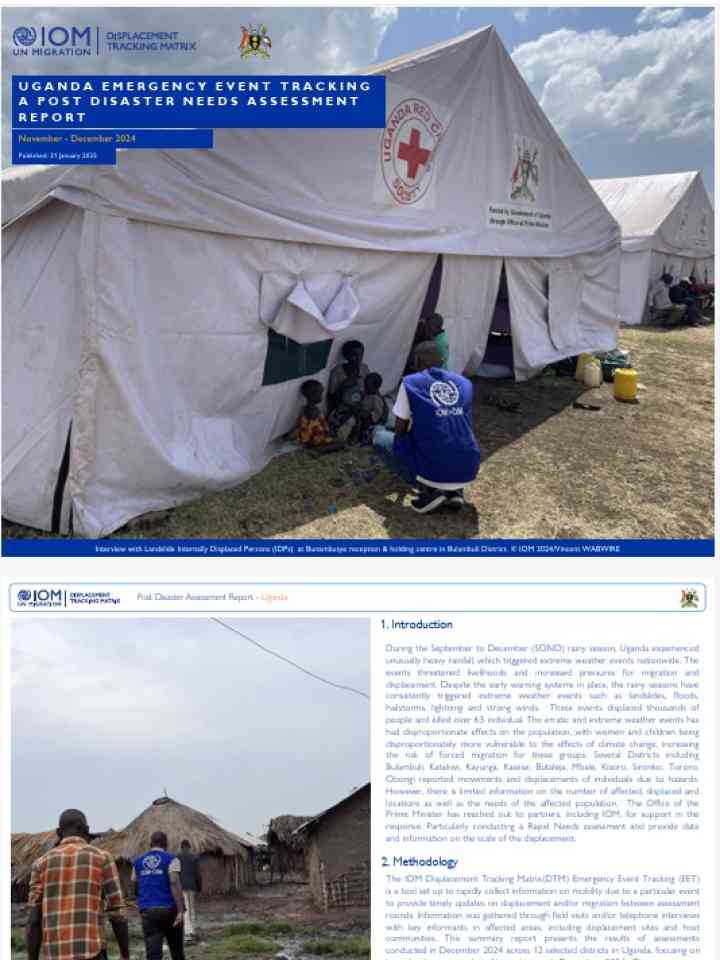
The November-December 2024 Post-Disaster Needs Assessment Report for Uganda highlights the severe impacts of extreme weather events, including floods and landslides.
This paper provides a comprehensive examination of post-earthquake structural damage assessment efforts following the Kahramanmaras, Turkey, earthquakes that occurred on February 6, 2023.
Comparisons of post-disaster GLI images (7 & 12 Jan 2025) with pre-disaster images (27 Dec 2024) reveal the impact of a 6.8 magnitude earthquake in Tingri County, Tibet, which caused 126 deaths, 188 injuries, and 3,609 house collapses.
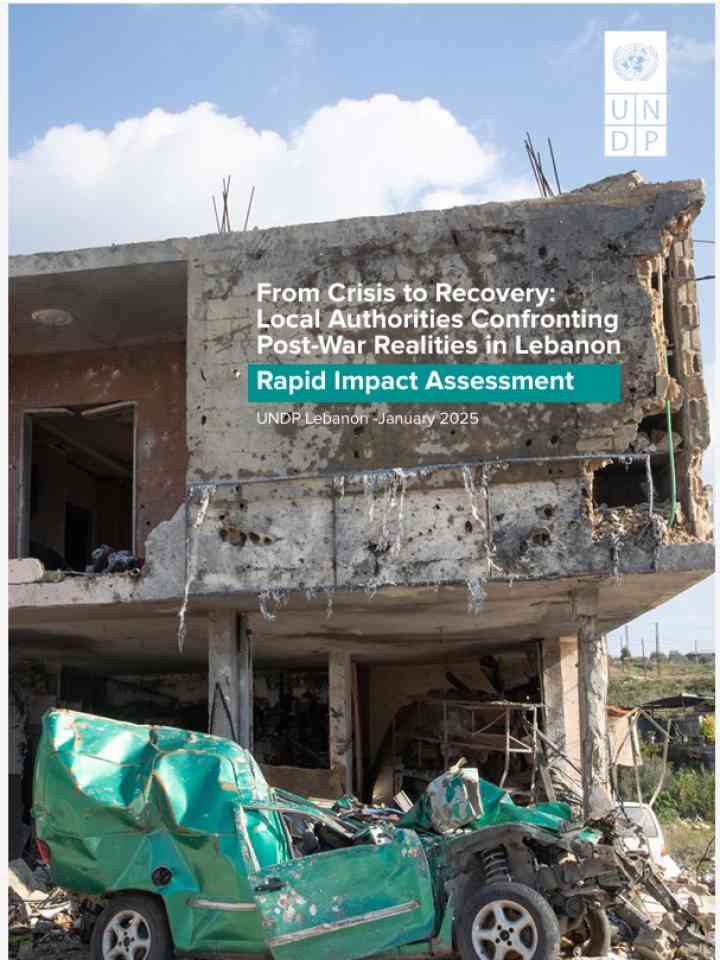
This report examines the impact of hostilities and the post-escalation conditions of affected municipalities in Lebanon. It focuses on displacement, infrastructure damage, socio-economic conditions, and initial recovery needs.
The research on the Ternuvatska Community analyzes its infrastructure, social, and economic needs, focusing on recovery strategies to address war-related damage, demographic challenges.
The German Recovery and Resilience Plan (GRRP) focuses on tackling the two major challenges of our time, namely climate change and the digital trans-formation. The plan also includes a national digital education initiative.
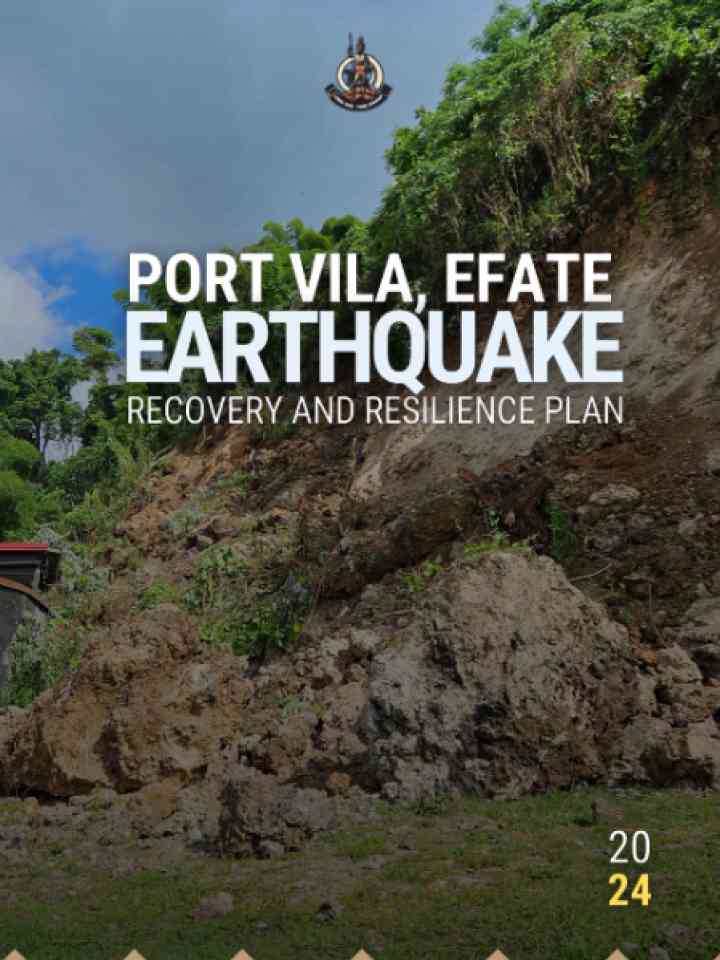
The Earthquake Recovery and Resilience Plan for Vanuatu aims to address the immediate needs of affected populations while building long-term resilience across all sectors of society and the economy.