Navigation failed to load. If you are on the UNDRR office network, your browser may be blocking access to external resources. Learn how to allow access.
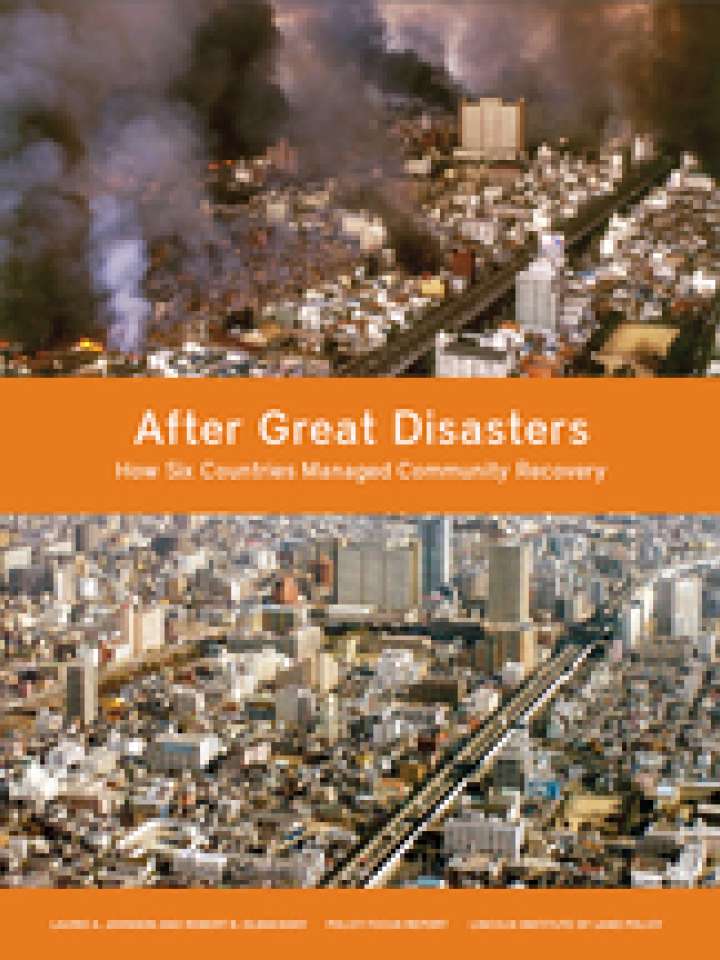
This report identifies lessons from six countries that have faced significant disaster recovery challenges and employed different management approaches: China, New Zealand, Japan, India, Indonesia, and the United States.
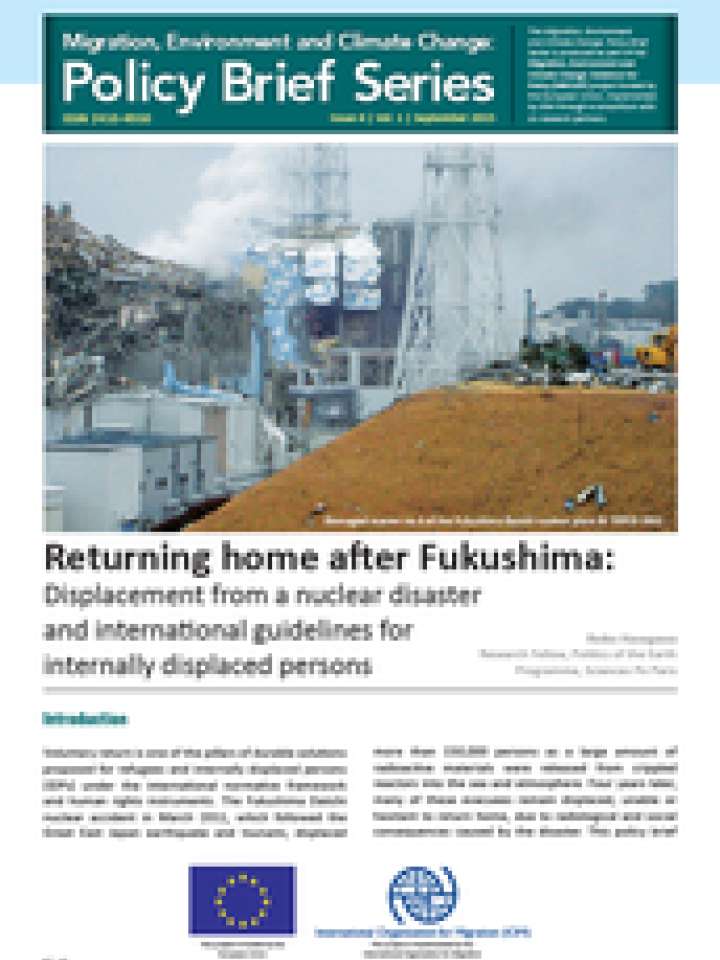
This policy brief seeks to examine the case of Fukushima evacuees, with a special focus on the question of return, and attempts to make policy recommendations specifically tailored for the nuclear displacement. It explores ways in which genuine durable solutions can be found for their case in line with international protection guidelines for Internal Displacement Persons (IDPs).
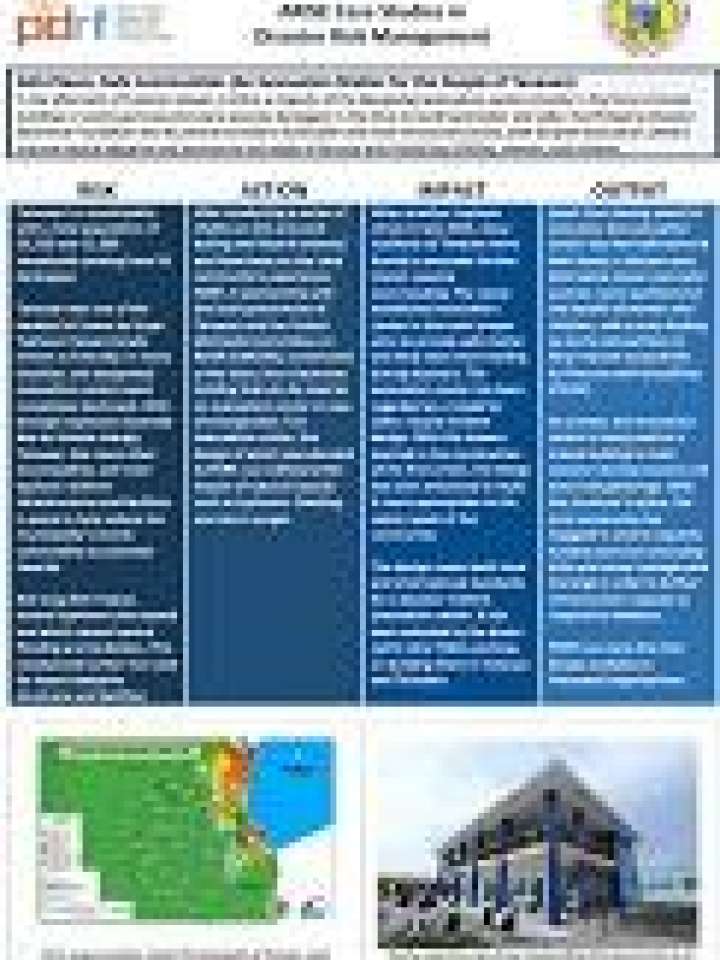
In the aftermath of Typhoon Haiyan in 2013, a majority of the designated evacuation centers (mostly in the form of school buildings or public gymnasiums) were severely damaged. In the drive to build back better and safer, the Philippine Disaster
United Nations Office for Disaster Risk Reduction (UNDRR)
Working in a post‐ disaster scenario in the Province of Leyte, the Philippine Disaster Resilience Foundation (PDRF) designed an early recovery program with national government agencies, local government units, and international NGOs. This program is
United Nations Office for Disaster Risk Reduction (UNDRR)
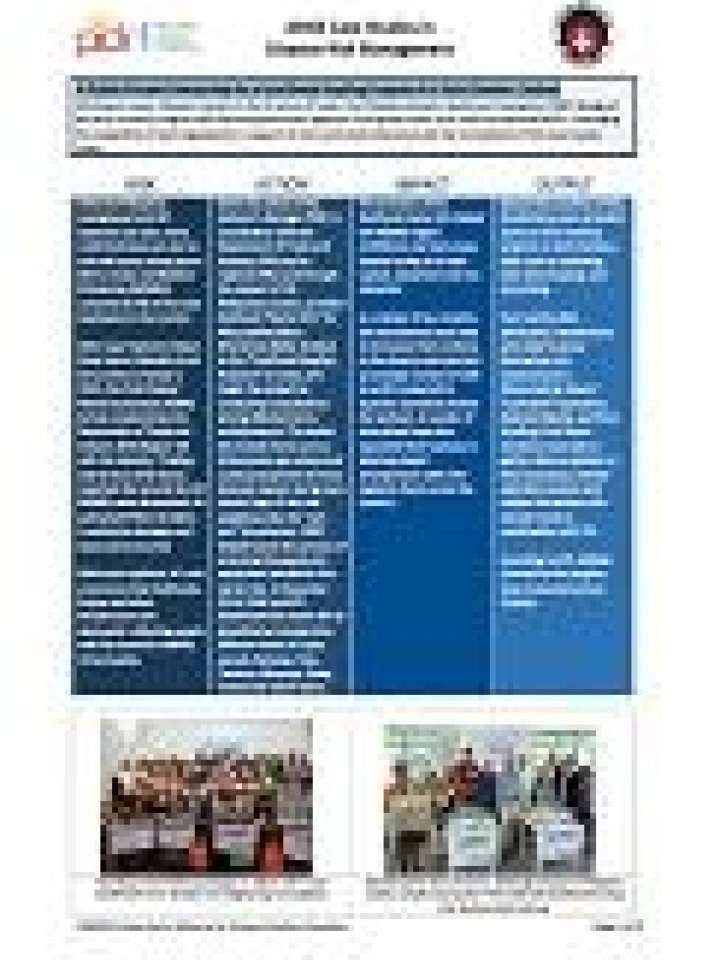
AECOM (provider of services for infrastructure projects) was engaged by the Tasmanian Department of Premier and Cabinet Climate Change Office (TCCO) to develop a suite of online and printable resources to help Tasmanian businesses across a range of
United Nations Office for Disaster Risk Reduction (UNDRR)
This publication describes recent national disaster mechanism experiences in the housing sector that best reflects the situation in Malaysia and that are in line with international practice. The objective of the papers is to know how to better support
The main objective of the study is to analyze the impact of the disaster in the urban sector and thereby help to the development of an urban housing recovery and reconstruction policy.
This paper seeks to inform policy changes that can be considered in the post 2015 framework for disaster risk reduction, drawing lessons from the Christchurch earthquake in New Zealand and the Great Eastern Japan earthquake and tsunami in 2011. Both events offer the opportunity for researchers and practitioners to review current practice in disasters response and information sharing.
World Bank, the
United Nations Office for Disaster Risk Reduction (UNDRR)