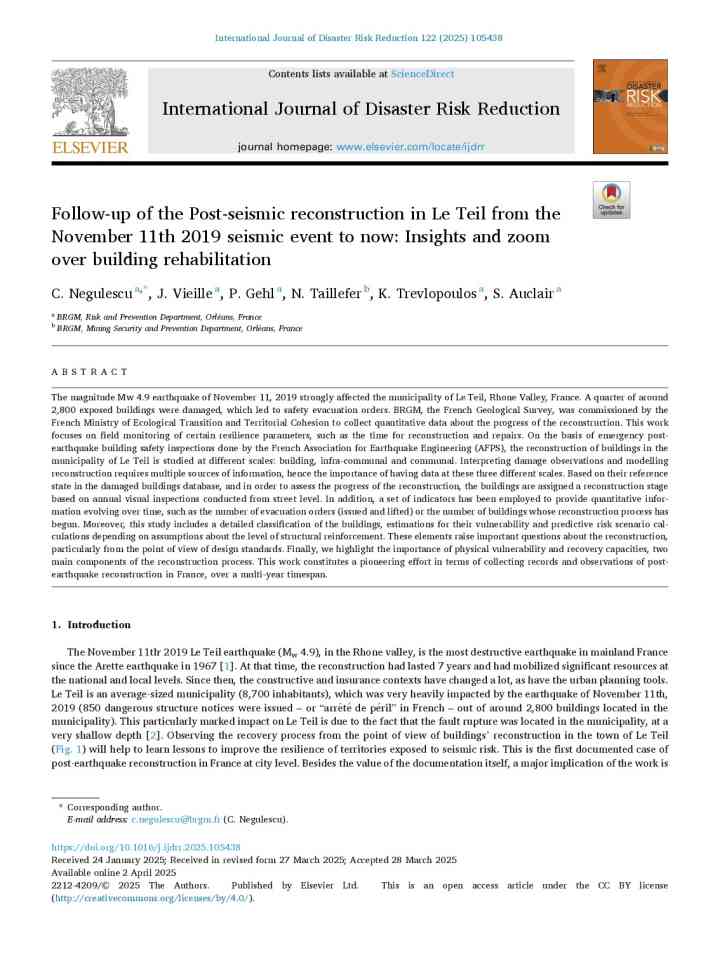
This work focuses on field monitoring of certain resilience parameters, such as the time for reconstruction and repairs from the effects of the 2019 earthquake that strongly affected the municipality of Le Teil, Rhone Valley, France.
International Journal of Disaster Risk Reduction (Elsevier)
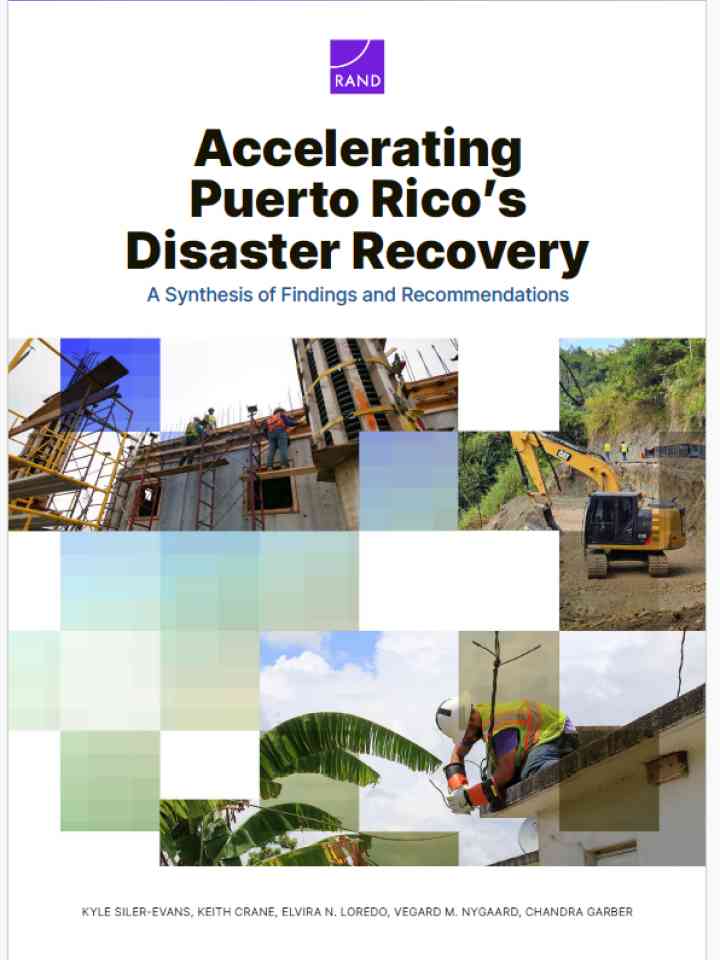
The report analyzes Puerto Rico’s recovery after Hurricanes Irma and Maria and provides recommendations to accelerate reconstruction and improve long-term resilience.
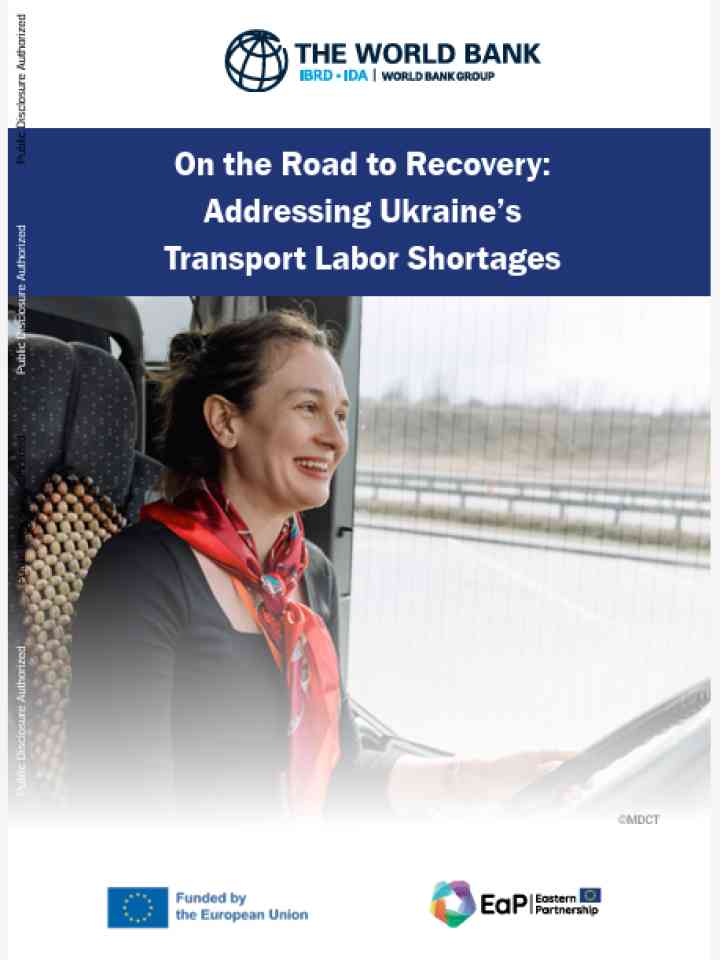
This report analyzes labor shortages in Ukraine’s transport sector during wartime and outlines policy recommendations to support workforce recovery, reconstruction, and economic resilience.
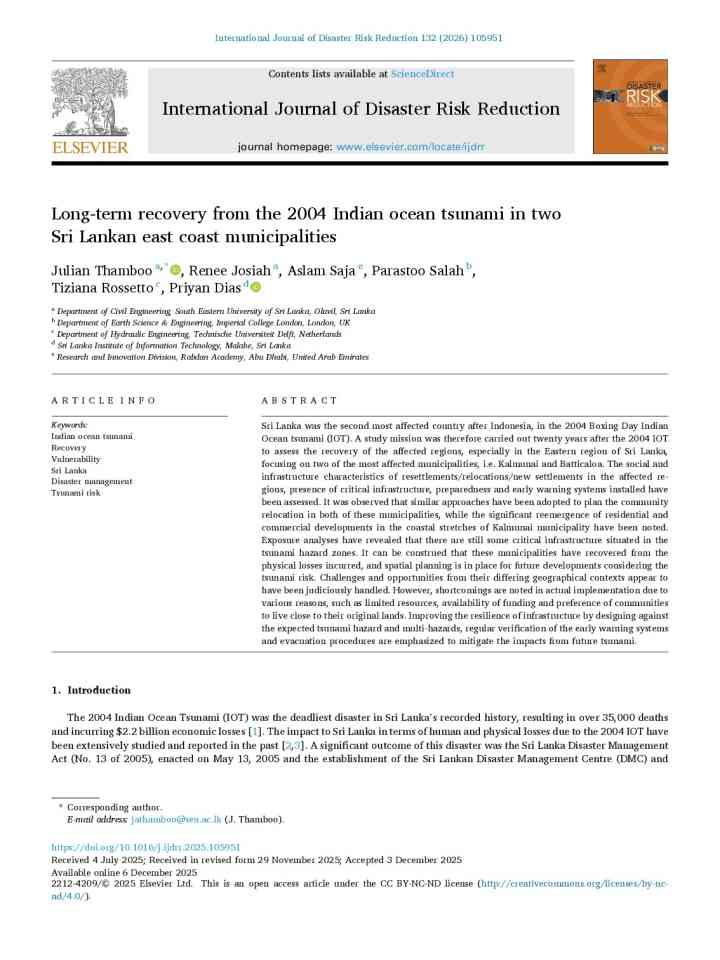
This paper talks about a study mission that was carried out twenty years after the 2004 Indian Ocean tsunami (IOT) to assess the recovery of the affected regions, especially in the Eastern region of Sri Lanka.
International Journal of Disaster Risk Reduction (Elsevier)
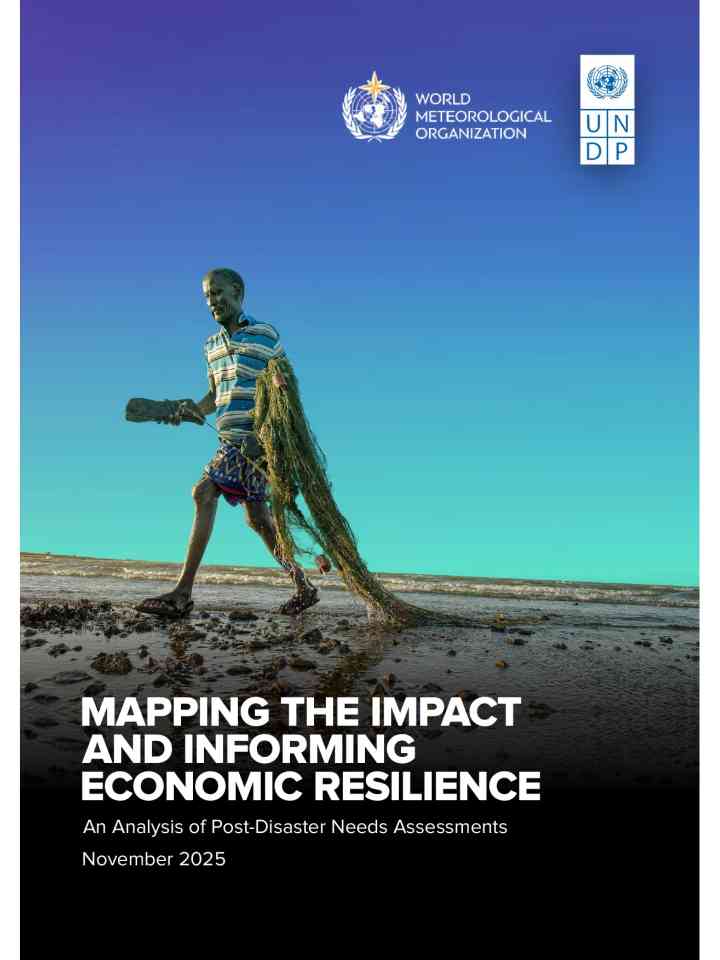
This joint publication presents a sectoral analysis of 91 weather, climate, and water-related Post-Disaster Needs Assessments (PDNAs) conducted between 2000 and 2024.
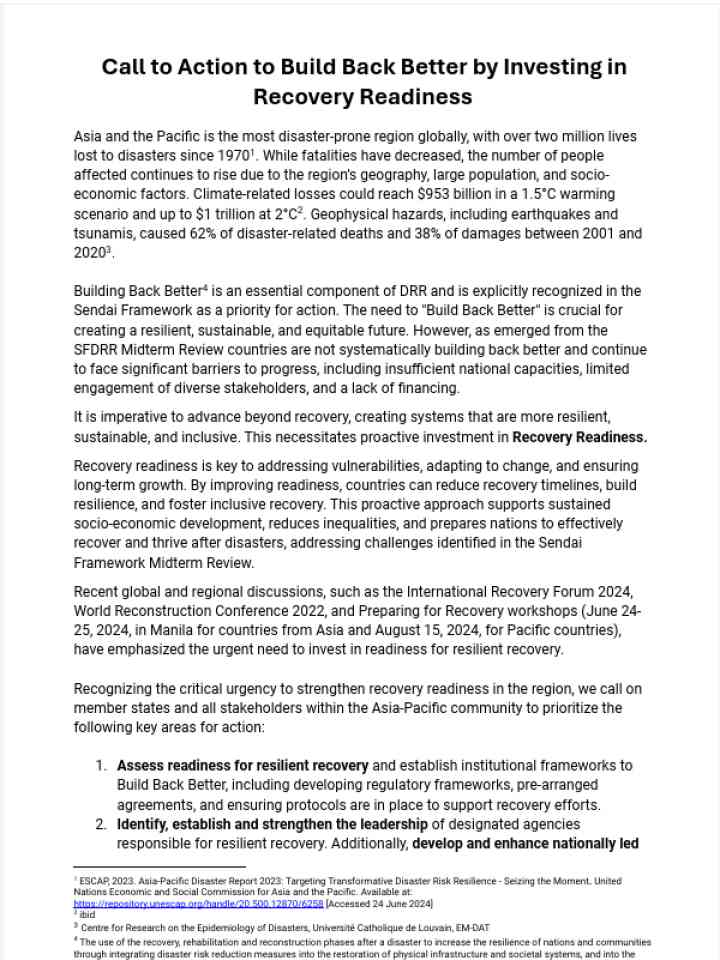
This call-to-action outlines priority measures for strengthening recovery readiness in Asia and the Pacific, emphasizing institutional frameworks, financing, capacity development, and data systems to support resilient, risk-informed recovery.
International Recovery Platform
United Nations Office for Disaster Risk Reduction (UNDRR)
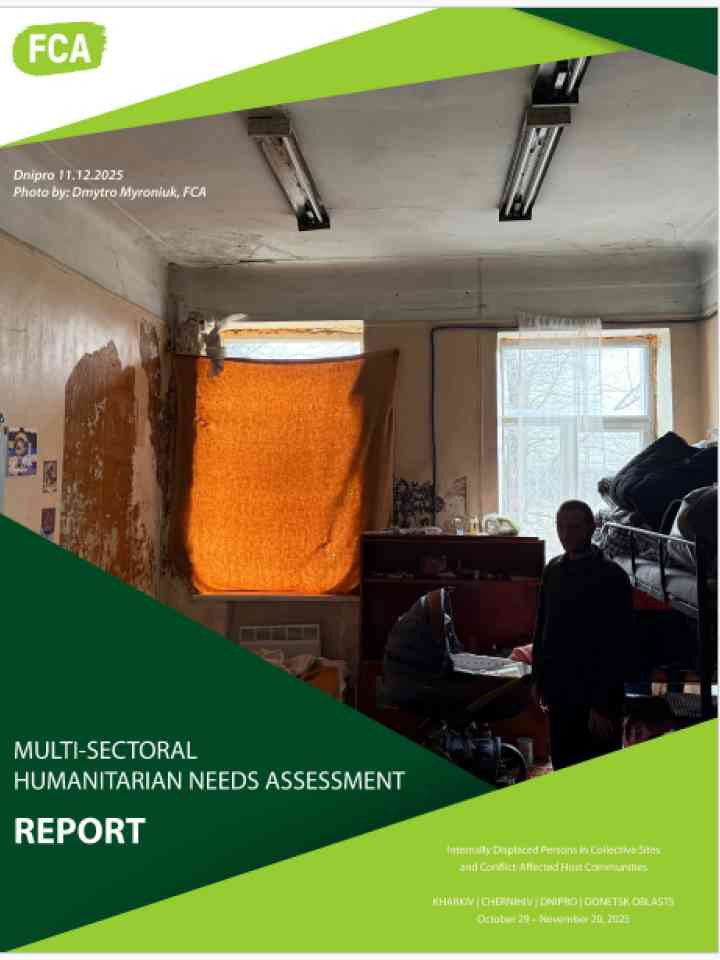
This report assesses humanitarian needs among internally displaced persons (IDPs) and host communities in conflict-affected regions of Ukraine, highlighting severe shortages in shelter, hygiene, infrastructure, winterization, and livelihoods.
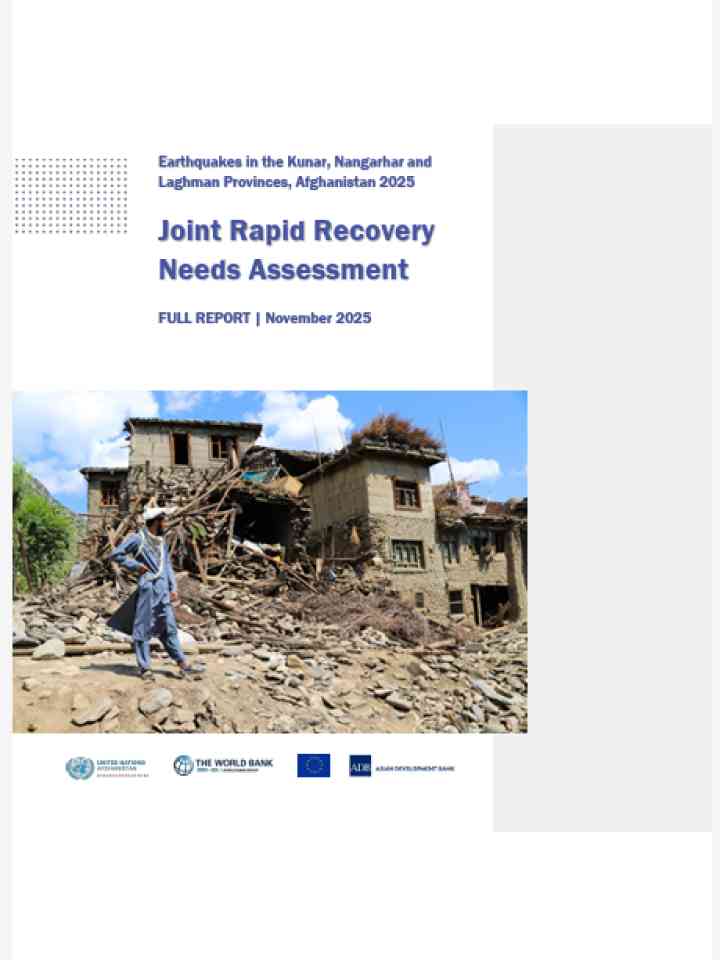
The report presents the Joint Rapid Recovery Needs Assessment (JRRNA) following the August 2025 earthquake in eastern Afghanistan, outlining damage, impacts, and priority recovery needs across key sectors.