Navigation failed to load. If you are on the UNDRR office network, your browser may be blocking access to external resources. Learn how to allow access.
The article claims that to those affected, disaster is an existential experience. For them, it is an unexpected existential ‘event’ clearly separating a ‘before’ from an ‘after’. In the academic disaster domain however the ‘disaster as event’ is being
International Journal of Disaster Risk Reduction (Elsevier)
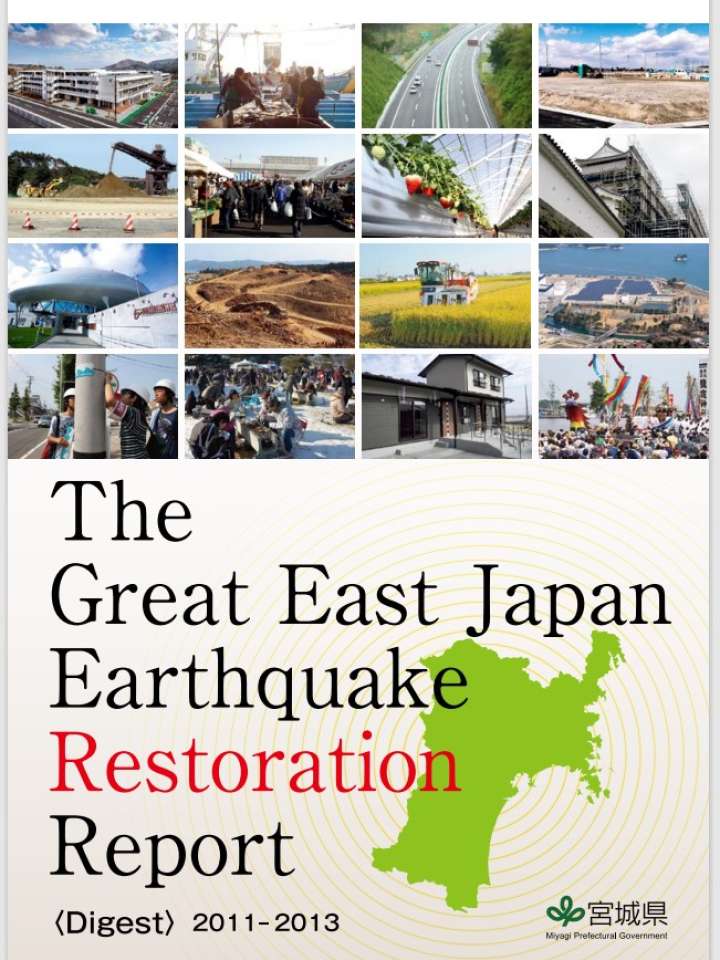
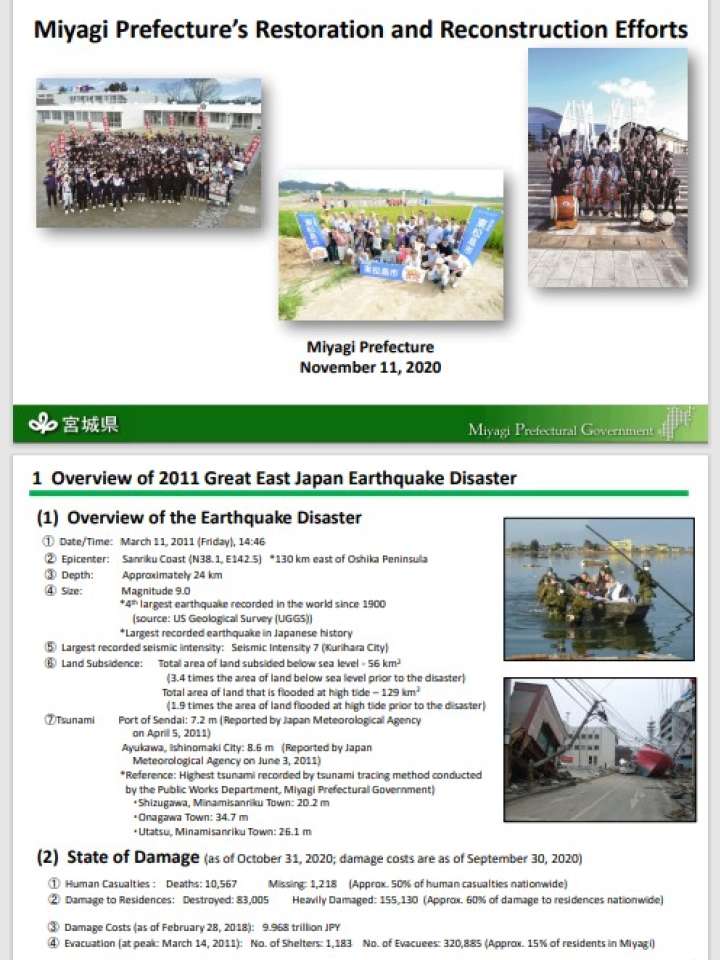
"Double Debt Disaster" examines an increasingly serious and widespread, yet underexamined, phenomenon: obstacles to recovery from catastrophes caused by the concurrence of pre-disaster obligations with post-disaster capital needs and the destruction of collateral assets. No case is more instructive for understanding these problems than the Great East Japan Earthquake and Tsunami, which entered history as the costliest disaster prior to the COVID-19 pandemic.
Co-production of recovery plans with the public is the focus of this week’s Manchester Briefing (Issue 33). The briefing identifies three core barriers to co-production (Pace, Distance [physical and social], and Complexity [of the context]) to provide a broad framework to facilitate co-production of recovery and renewal from COVID.
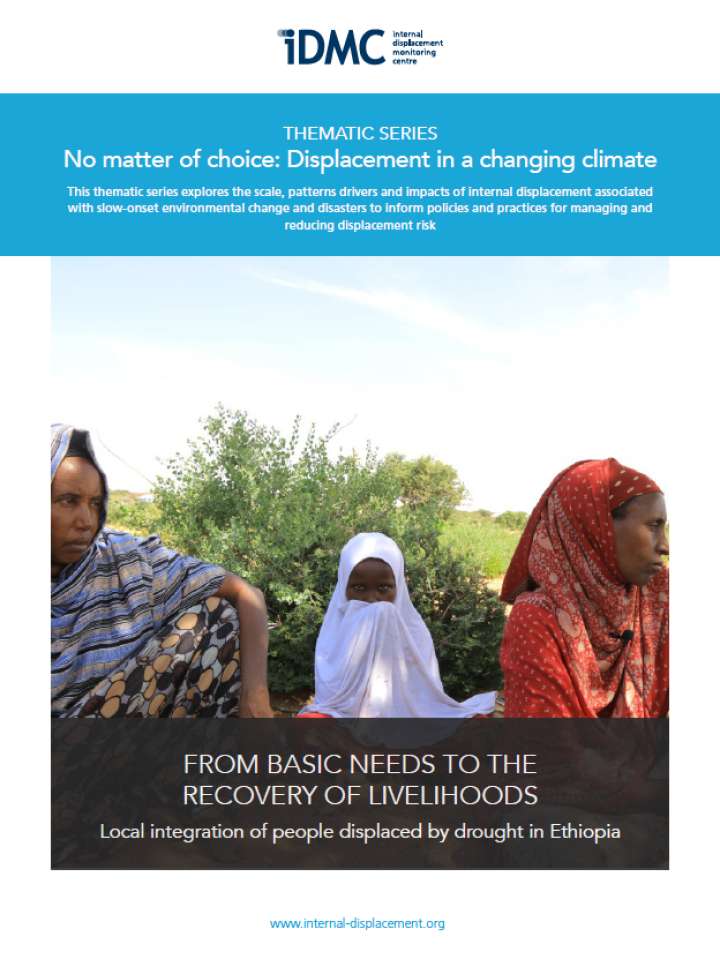
This report explores the current situation of internally displaced people (IDPs) three years after the last drought in 2017, looking at the same locations as the research carried out in 2019. It examines local integration efforts carried out through
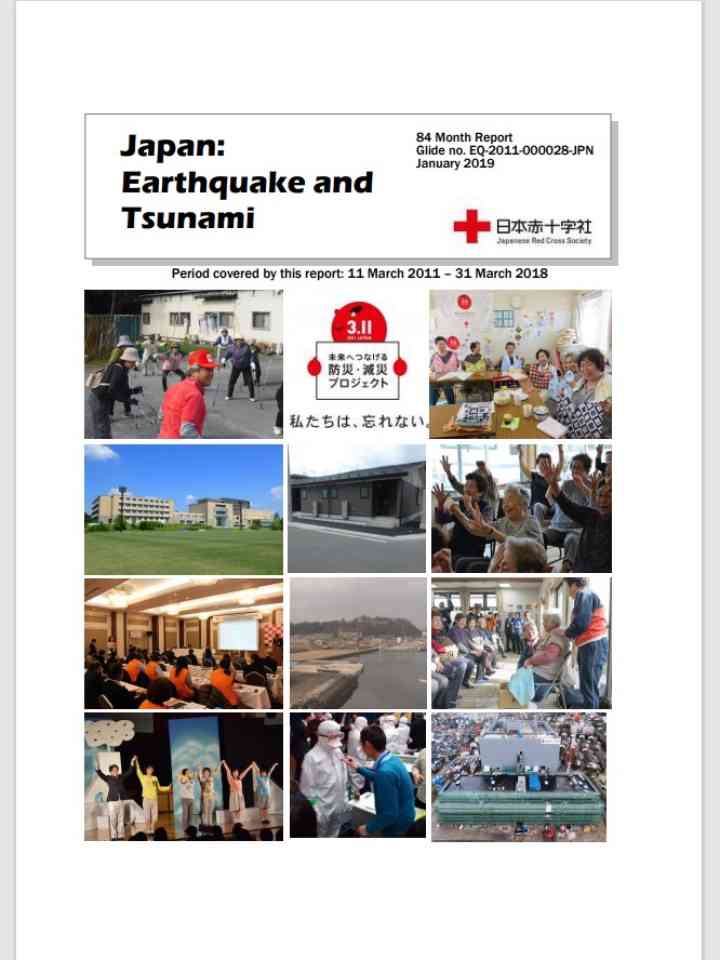
The report outlines the response and recovery efforts by the JRCS following the Great East Japan Earthquake and Tsunami, detailing the context of the disaster, the use of funds, and the ongoing challenges over a ten-year period.