Mission
The Conversation is an independent source of information, analysis and commentary from the university and research sector — written by acknowledged experts and delivered directly to the public.
Items: 8
Lismore businesses hit by the 2022 floods are rebuilding with practical resilience measures, from flood‑ready materials to improved evacuation plans, while urging government support for stronger infrastructure, especially reliable power.
In interviews with residents and builders after disasters from Hawaii to Colorado to Puerto Rico, an engineer and policy specialist found people often overestimating the cost of building back better.
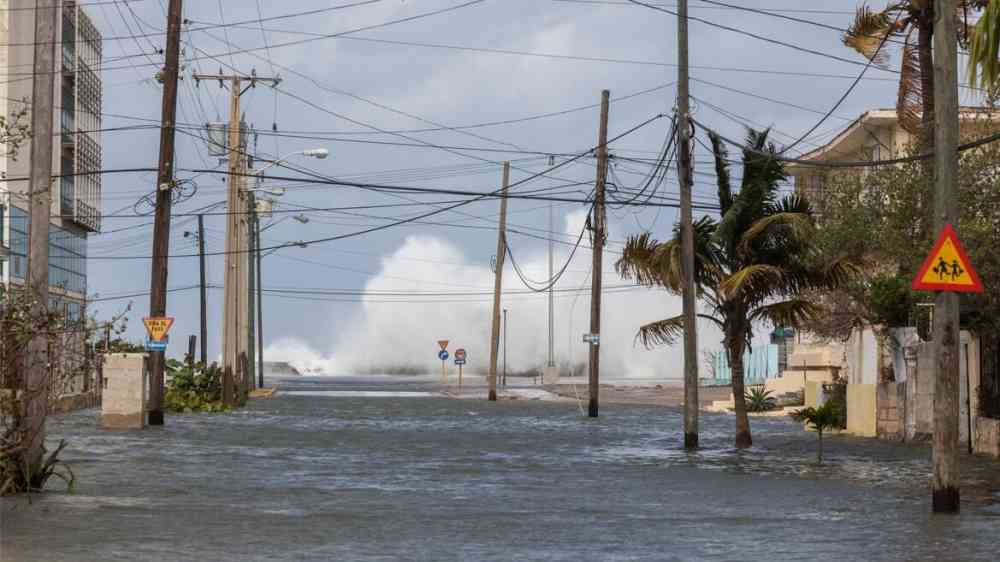
Climate change is increasing the frequency and intensity of extreme weather events in the Caribbean, and for small islands such as Dominica (not to be confused with the much larger Dominican Republic) it is an existential threat.
It is known that parts of Australia – the world’s most fire-prone continent – would be likely to see more intense and more damaging fires as climate change adds heat and takes away moisture in many regions. Longer night fires signal a long fire season.
How a community recovers after a disaster like Hurricane Ian is often a “chicken and egg” question: Which returns first – businesses or households?
Biloxi was devastated by hurricane Katrina. The story of its reconstruction can inform the long term recovery of other communities across the United States.
The US Geological Survey predicts that more than 2.5 million people will die from earthquakes this century. Landslides and other mass movements, such as rockfalls, are an important cause of earthquake fatalities. Research now shows deforestation may inadvertently increase rockfall hazard by removing the natural vegetative barrier that previously impeded boulder travel.
Homes were destroyed last month in bushfires near Lancefield, Victoria, lives have been lost as fires continue to sweep through southern Western Australia. Alongside the devastating loss of life and properties, many properties potentially in the path of bushfires are inadequately insured...
Voluntary Commitments
The organization has no registered commitments.
The Sendai Framework Voluntary Commitments (SFVC) online platform allows stakeholders to inform the public about their work on DRR. The SFVC online platform is a useful toolto know who is doing what and where for the implementation of the Sendai Framework, which could foster potential collaboration among stakeholders. All stakeholders (private sector, civil society organizations, academia, media, local governments, etc.) working on DRR can submit their commitments and report on their progress and deliverables.
Contact information
Fax:
+81 357215696