Global Facility for Disaster Reduction and Recovery, the (GFDRR)
Mission
GFDRR is a global partnership established in 2006 to support developing countries to understand, manage, and ultimately reduce their risk from natural hazards and climate change. Hosted at the World Bank, GFDRR is supported by 37 countries and 11 international organizations, and works with over 400 sub-national, national, regional, and international partners.
GFDRR’s governance, mission, and operating framework are defined in its Partnership Charter. The long-term strategic objectives of GFDRR are set and monitored by the Consultative Group (CG), which is GFDRR’s primary advisory and decision-making body. The CG includes donor members and observers, invited developing country members, intergovernmental organizations, international financial institutions, and civil society organizations. The CG is chaired by the World Bank and co-chaired by a contributing CG Member that rotate annually.
The GFDRR Secretariat carries out GFDRR’s mission, and is responsible for the preparation of the annual work program, awarding and monitoring of grant resources, as well as reporting to the CG. The large majority of GFDRR grant resources are dedicated to its in-country engagements that support on-the-ground implementation of the Sendai Framework. The GFDRR Secretariat also maintains thematic initiatives that provide technical expertise to help advance strategic areas of engagement and facilitate global cooperation.
Promoting resilience to climate change and enabling gender equality are both central to achieving GFDRR’s mission, and these two themes are embedded into all GFDRR activities.
Disaster Reduction Goal
To facilitate implementation of the Sendai Framework for Disaster Risk Reduction, and to contribute to the achievement of the Sustainable Development Goals and the Paris Agreement, by ensuring that all development policies, plans, and investments—including post-disaster reconstruction—are designed to minimize disaster risks and build the resilience of people and economies to climate change.
Policies and Programmes in DRR
GFDRR provides technical assistance, capacity building, and analytical work to help vulnerable nations improve resilience and reduce risk.
Through its in-country work, GFDRR awards grants for specific activities in line with its seven operating principles:
- Demand-driven approach to ensure maximum impact
- Leveraging development investments and policies
- Focusing on inclusive design and participation
- Empowering women and mainstreaming gender
- Jointly addressing disaster and climate risk
- Developing knowledge and sharing best practices
- Prioritizing a results-oriented approach
GFDRR's grants are organized around eight areas of engagement, which represent our priorities in the coming years.
- Promoting open access to risk information
- Promoting resilient infrastructure
- Scaling up the resilience of cities
- Strengthening hydromet services and early-warning systems
- Deepening financial protection
- Building resilience at community level
- Deepening engagements in resilience to climate change
- Enabling resilient recovery
Membership in Key Networks
Office for Disaster Reduction
International Recovery Platform
National Counterpart
National Governments
Intergovernmental/regional Organizations
Disaster Reduction Focal Point(s)
Francis Ghesquiere
Program Manager, GFDRR
Making disaster risk reduction a policy priority, institutional strengthening (HFA 1)
GFDRR is actively engaged in mainstreaming Disaster Risk Reduction (DRR) and climate adaptation (CCA) in national development strategies and lending operations. GFDRR’s promotion of the integration of DRR and climate adaptation in development efforts is supported by a comprehensive system that allows proactive policy dialogue on DRR with country teams while strategies and lending operations are formulated, and follow-up monitoring of process made over subsequent strategies.
Through Track I, GFDRR works to enhance global and regional advocacy to promote the implementation of the Hyogo Framework for Action in partnership with the United Nations. Through advocacy and continuous engagement with key regional organizations, the partnership has helped to elevate disaster risk management as a key priority for policy-makers, governments and practitioners, thereby building a demand for more targeted country DRM programs, particularly in high-risk, low- and middle-income countries.
Building national capacity is a key component of GFDRR interventions for mainstreaming DRR in GFDRR’s 31 focus countries. GFDRR’s investments for capacity building address the institutions in disaster-prone countries in a comprehensive, multi-sector fashion, spanning all government sectors and levels that share responsibility for reducing the vulnerability of communities to disasters.
Risk assessment and early warning systems (HFA 2)
GFDRR is working to improve the ability of developing countries to understand, predict, and warn their citizens of meteorological and hydrological hazards. The Hydromet initiative advises national governments to drive investment and increase knowledge in modern systems and tools. This helps to close the development gap and minimize loss and damage from future extreme weather events.
GFDRR delivers technical assistance in hydromet and early-warning systems (EWS), advising service management how to modernize and operate information systems needed to collect data, develop forecasts, and communicate the findings to the public and to risk managers.
Education, information and public awareness (HFA 3)
GFDRR’s investments for capacity building address the institutions in disaster-prone countries in a comprehensive, multi-sector fashion, spanning all government sectors and levels that share responsibility for reducing the vulnerability of communities to disasters. GFDRR supports development of global knowledge products with high policy impacts for disaster risk reduction such as the Handbook for Reconstruction after Natural Disasters, “Safer Homes, Stronger Communities” and The UN-World Bank report "Natural Hazards, UnNatural Disasters: The Economics of Effective Prevention.The Global Assessment Report, produced by UNDRR, United Nations Development Programme and the World Bank with financial and technical support from GFDRR, has expanded the global understanding of natural disaster risks.
GFDRR is also engaging with International Financial Institutions (IFIs) in disaster risk management, both at an operational level with key Regional Development Banks, and at a global level, through the newly established IFIs Forum.
Reducing underlying risk factors (HFA 4)
Through its Disaster Risk Reduction Mainstreaming Program (Track II), GFDRR is funding over 120 disaster risk management and inter-related climate risk management programs in more than 50 disaster-prone low and middle-income countries with a portfolio of nearly US$ 90M. Track II provides ex-ante assistance to developing countries to mainstream and expand disaster risk reduction (DRR) and climate change adaptation (CCA) activities.
GFDRR's Disaster risk financing and insurance (DRFI) solutions provide efficient means for countries to financially protect themselves from natural disasters as well as foster DRM efforts. DRFI strategies allow countries to increase their financial response capacity in the aftermath of disasters and to reduce the economic and fiscal burden of natural disasters by transferring excess losses to the private capital and insurance markets.GFDRR has co-financed 17 technical assistance (TA) projects or project components on disaster risk financing since its establishment in 2006. Thirty-three developing countries spanning all six WB regions have benefitted GFDRR-funded DRFI projects. Projects fall under three categories: Sovereign disaster risk financing (SDRF), property catastrophe risk insurance (PCRI), and agricultural insurance (AI).
Preparedness for effective response (HFA 5)
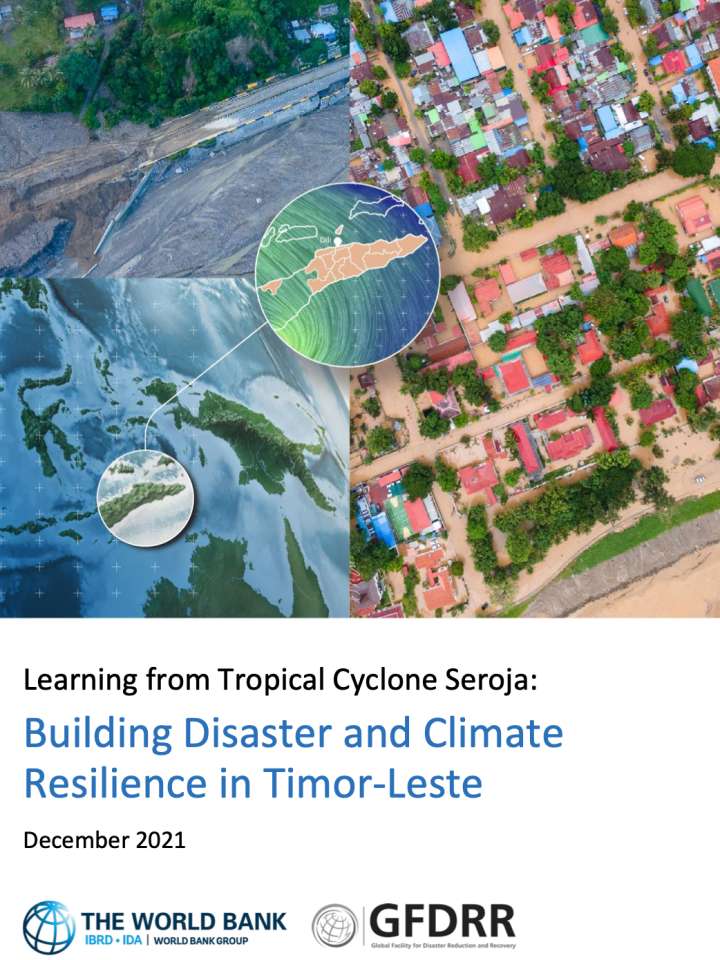
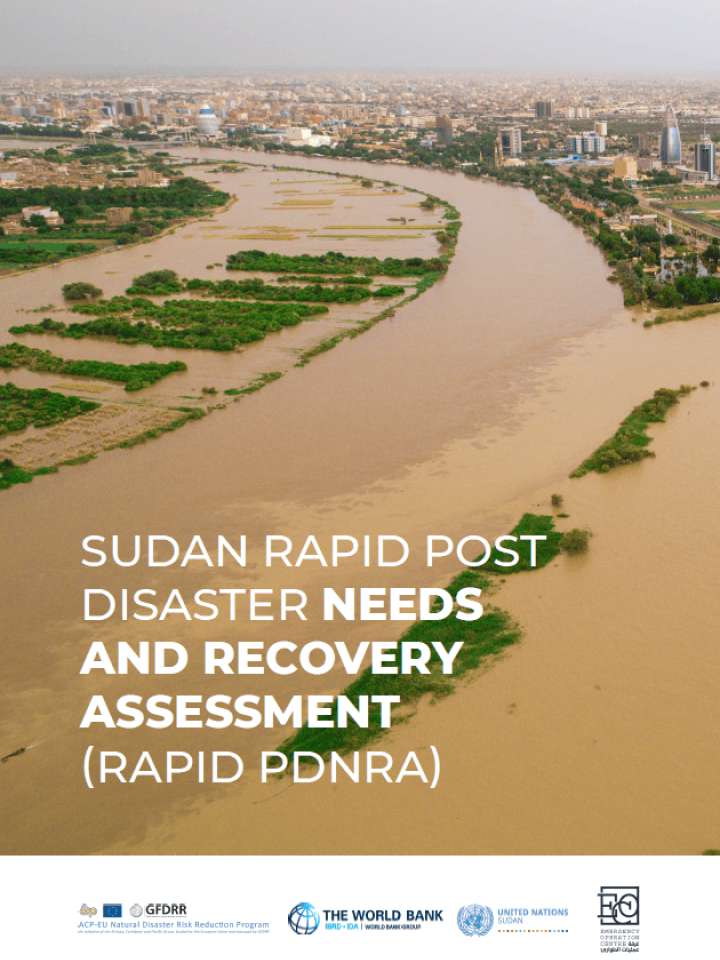
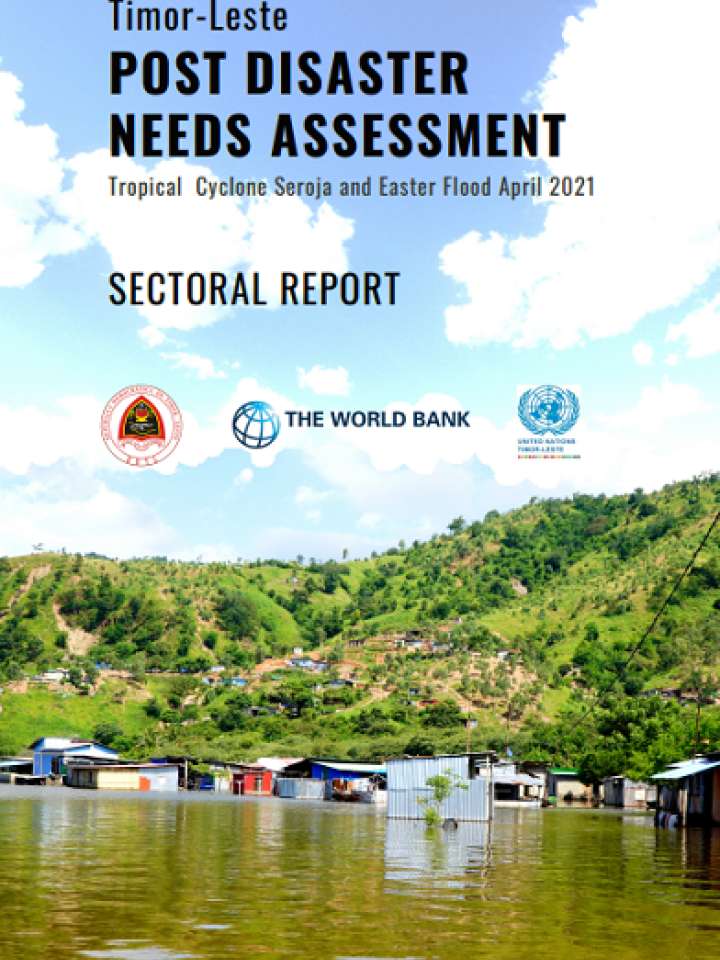
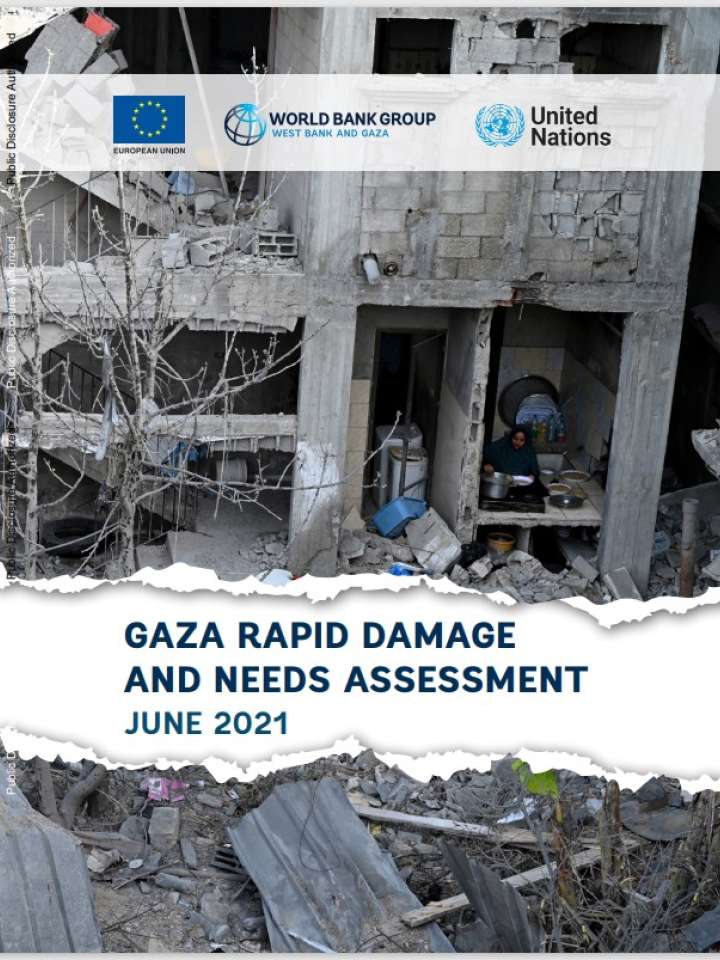
GFDRR’s Standby Recovery Financing Facility (Track III) provides rapid technical and financial assistance for sustainable disaster recovery. Australia, EC, Luxembourg, Italy, Norway and Sweden are the contributing donors of Track III with a cumulative pledge of USD 27 million.
Key highlights include:
- Since its establishment in 2007, GFDRR has so far assisted over 38 countries in assessing medium and longer term disaster impacts and needs for sustainable post-disaster recovery.
- GFDRR-supported Post-Disaster Needs Assessments (PDNA) have succeeded in delivering a coordinated system of international assistance to disaster-affected countries.
- GFDRR Track III has established partnership agreements with centers of global expertise to make global best practices in disaster recovery available to disaster-stricken countries.
- GFDRR supported capacity building for PDNAs and recovery planning has enabled countries to institutionalize PDNAs in the national system.
- GFDRR is constantly refining the knowledge and tools needed for measuring disaster impacts.
Other activities
The GFDRR has developed a Results Model which provides an innovative way forward and quantification methodology for Global DRM Results Measurement. The current GFDRR-specific model can be further refined and replicated into a more generic, pre-programmed “Global DRM Results Model”. The biggest value-addition of such a model would that it would be able to quantify DRM Mainstreaming Progress and Impacts across all countries, using multiple international standards such as the HFA and Climate Change Risk Management standards.
The GFDRR Results Model provides an innovative globally-replicable DRM results quantification model that: (a) combines qualitative information from multiple sources so as to give a ‘360 degree’ view on impact (b) simultaneously links the “ results-chain” with international developmental standards and benchmarks such as the HFA, climate change standards; (c) uses a ‘contribution/partnership based results measurement approach’ for multi-donor, multi-recipient developmental programs; and; (d) promotes end-user participation and complete procedural transparency.
Making Cities Resilient Campaign Activities
GFDRR's Resilient Cities initiative develops new tools, methodologies, and knowledge on urban resilience for decision-makers. These knowledge products not only help municipal leaders decide how to invest resources and reform policies in order to best build and maintain resilience – they also fill gaps in our current global knowledge about how to approach the problems that growing cities face.


Voluntary Commitments
The Sendai Framework Voluntary Commitments (SFVC) online platform allows stakeholders to inform the public about their work on DRR. The SFVC online platform is a useful toolto know who is doing what and where for the implementation of the Sendai Framework, which could foster potential collaboration among stakeholders. All stakeholders (private sector, civil society organizations, academia, media, local governments, etc.) working on DRR can submit their commitments and report on their progress and deliverables.