Mission
UNDP works in some 170 countries and territories, helping to achieve the eradication of poverty, and the reduction of inequalities and exclusion. UNDP helps countries to develop policies, leadership skills, partnering abilities, institutional capabilities and build resilience to sustain development results.
Inclusive growth, better services, environmental sustainability, good governance, and security are fundamental to development progress. UNDP offers our expertise in development thinking and practice, and our decades of experience at country level, to support countries to meet their development aspirations and achieve the Sustainable Development Goals (SDGs) and to bring the voices of the world’s peoples into deliberations.
UNDP works to integrate issues of climate change, disaster risk and energy at the country level, and focuses on building resilience and ensuring that development remains risk-informed and sustainable. UNDP’s disaster risk reduction efforts aim to risk-inform development in line with the goals and targets of the Sendai Framework for Disaster Risk Reduction (2015-2030).
Disaster Reduction Goal
The UNDP Strategic Plan 2014 – 2017 recognises resilience building as one of three core pillars that underpin the work of UNDP. Given the intricate linkages between disasters and development, one Strategic Plan outcome is dedicated to reducing the risks related to natural hazards and climate change. Specifically, UNDP works with country partners to:
- Enhance access to and application of risk information
- Strengthen risk governance through policy, legal and institutional systems
- Strengthen preparedness and early warning systems
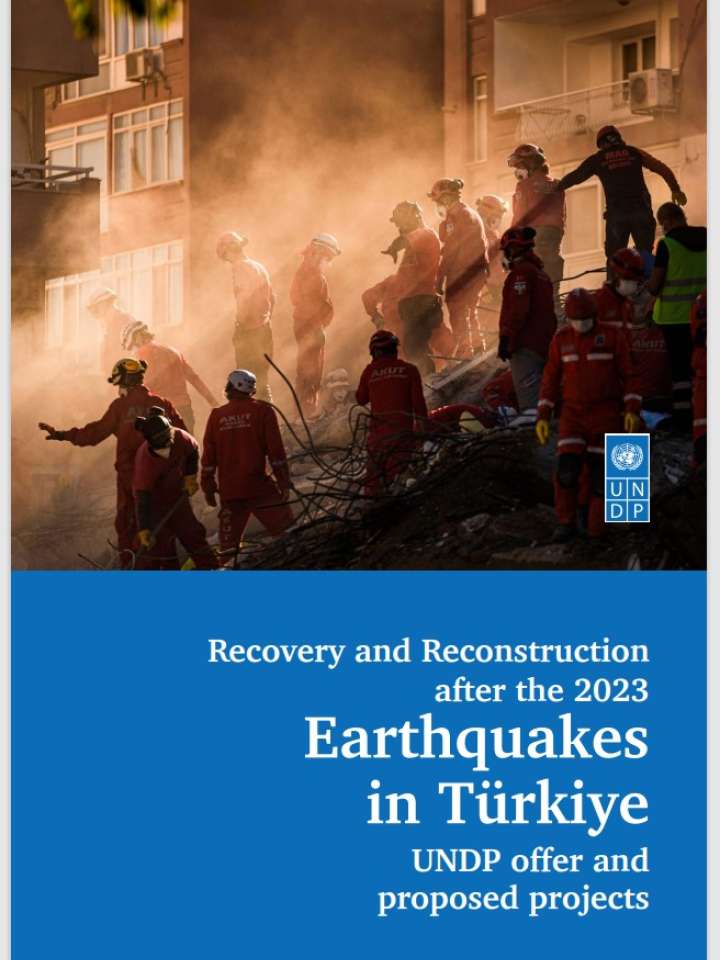
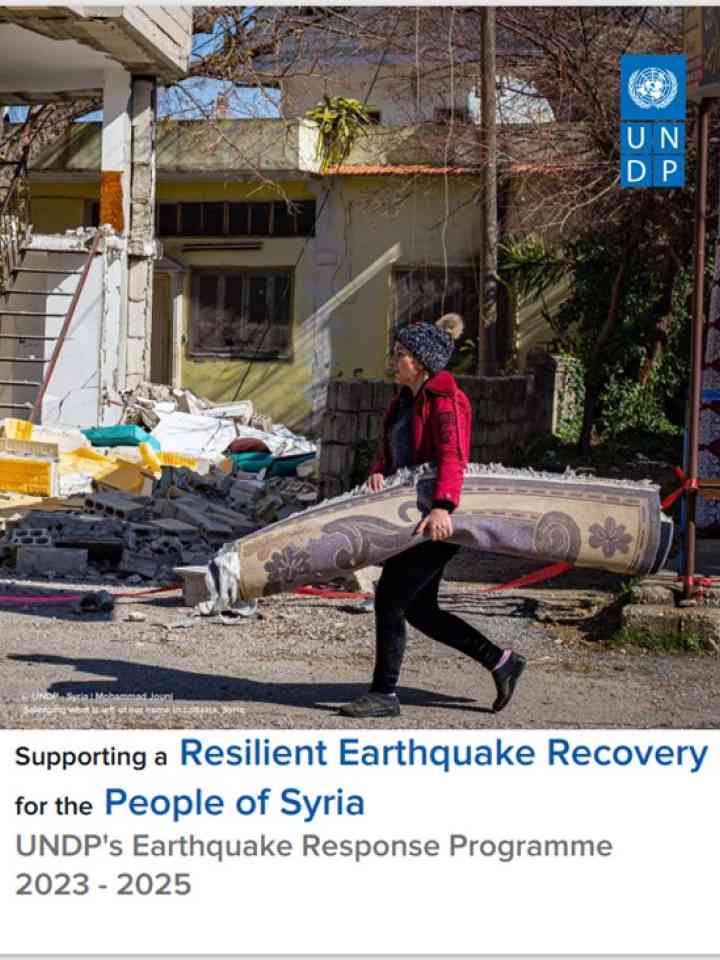
- Support post-disaster needs assessment and recovery planning
- Foster urban and community risk management
Together, these efforts strengthen the long-term resilience of countries and communities. UNDP maintains a US$1.7 billion portfolio in climate change adaptation, mitigation and sustainable energy. Since 2005, at least $1.7 billion has been invested in disaster risk reduction and recovery.
Achievement 1:
The Framework for Political Economy Analysis of DRR and CCA, as part of it integrated risk governance offer, to help formulate and implement better-grounded and more effective country policies and programmes. This analytical framework has been developed to enhance understanding of the political economy and institutional dimensions of disaster risk reduction (DRR) and climate change adaptation (CCA) in developing countries. It shows how political, economic, institutional, and societal factors affect a country’s capacity to formulate and implement effective and integrated DRR and CCA policies and programmes. The framework has so far been pilot-tested in two countries: Burundi and Ethiopia.
Achievement 2:
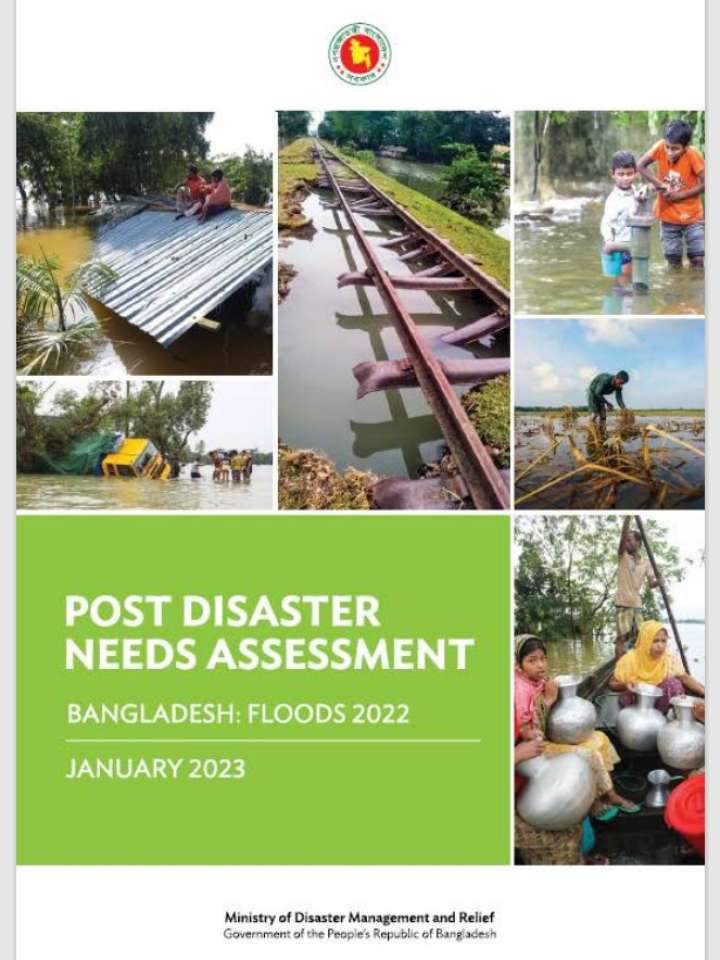
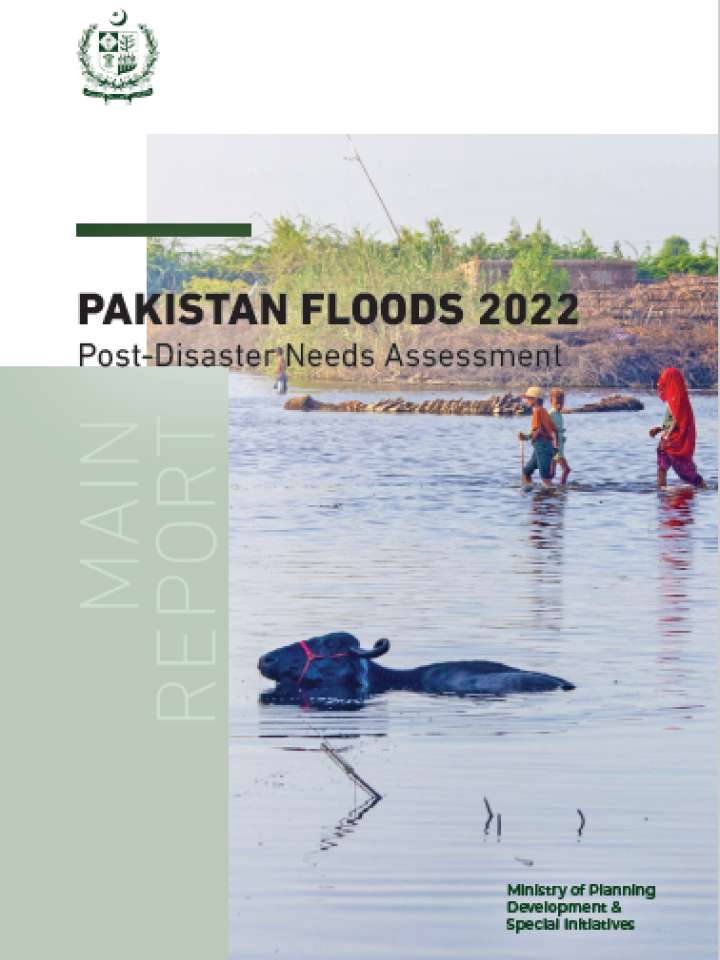
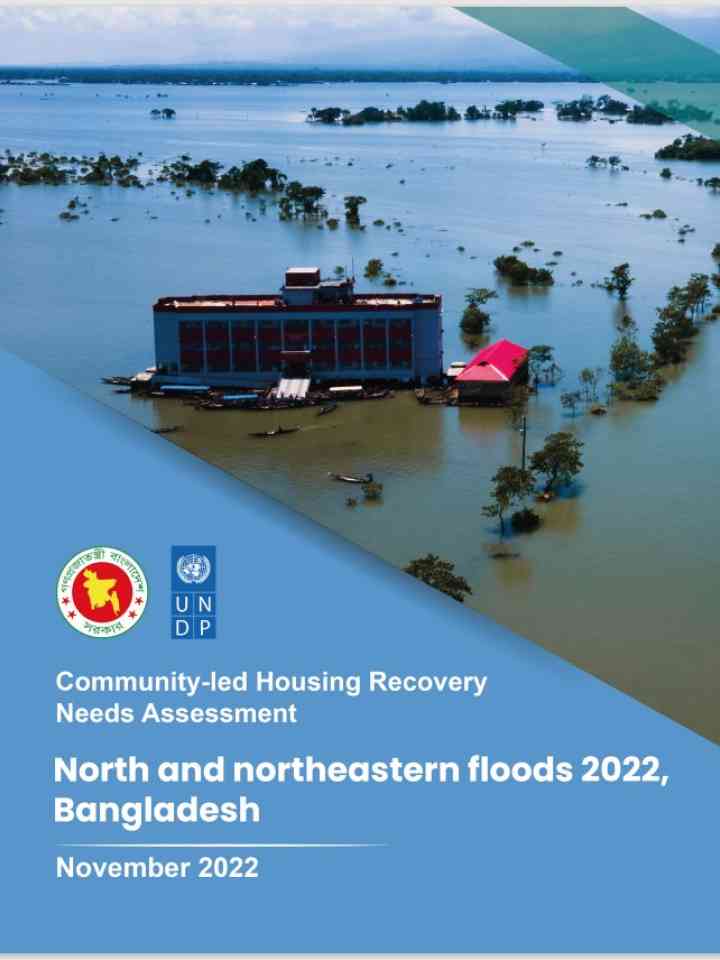
Mozambique, Thailand, Vanuatu, and Kazakhstan advanced the adaptation and institutionalisation of Post-Disaster Needs Assessment (PDNA) tools with UNDP support, significantly strengthening their national recovery systems. By tailoring the PDNA Guidelines to each country’s institutional arrangements, hazard profile, and priority sectors, the relevance and usability of the methodology were greatly enhanced. These contextualised tools ensure stronger alignment with national planning processes, government mandates, and sector-specific recovery requirements. As a result, national and sectoral teams are now better equipped to conduct accurate, comprehensive, and actionable assessments of disaster-related damages, losses, and recovery needs. This improved capacity contributes to more evidence-based, timely, and coordinated recovery planning—ultimately supporting governments to design interventions that accelerate resilient recovery and reduce future risk.
Achievement 3:
UNDP developed three Policy Briefs i.e. Extreme Heat and Heatwave Resilience, Water Governance and Management of Water-related Risks and Application of Digital Technologies for enhancing Urban Resilience Outcomes to support cities/municipalities advance action on urban resilience. UNDP supported the four cities of Damietta (Egypt), Hawassa (Ethiopia), Kisumu (Kenya) and Busia (Uganda) with risk analytics and resilience diagnostics to address extreme heat, heat waves and water induced risks. In N’Djamena (Chad), UNDP provided technical guidance strengthening urban services, improving local environment, promoting climate-resilient livelihoods and to implement climate solutions. In Kazakhstan (Petropavlovsk), Kyrgyz Republic (Osh), Tajikistan (Dushanbe), Turkmenistan (Ashgabat), Uzbekistan (Namangan), UNDP Urban Risk Management and Resilience Strategy guided the preparation of city risk profiles to inform resilient urban planning.
Achievement 4:
The UNDP Preparedness Learning Pathway was delivered for 40 national government representatives from Albania, with observers from North Macedonia and Montenegro, supported by UNDP and experts from The Netherlands, Italy, Spain and Romania. The Pathway was also delivered for 60 national government representatives of the Kingdom of Bahrain co-facilitated by UNDP and IOM. The Get Airports Ready for Disaster (GARD)1, a global partnership between UNDP and DHL Group aimed at assessing airport capacities to manage the influx of humanitarian aid and personnel in disaster response situations and training airport staff and disaster professionals on how to manage this influx started with a pre-assessment mission in the Kingdom of Bahrain to define an adapted approach for the Bahrain International Airport including procedures for business continuity for chemical, biological, radiological and nuclear risk. This adapted model paved the way for a rollout of GARD the Arab States Region.
Achievement 5:
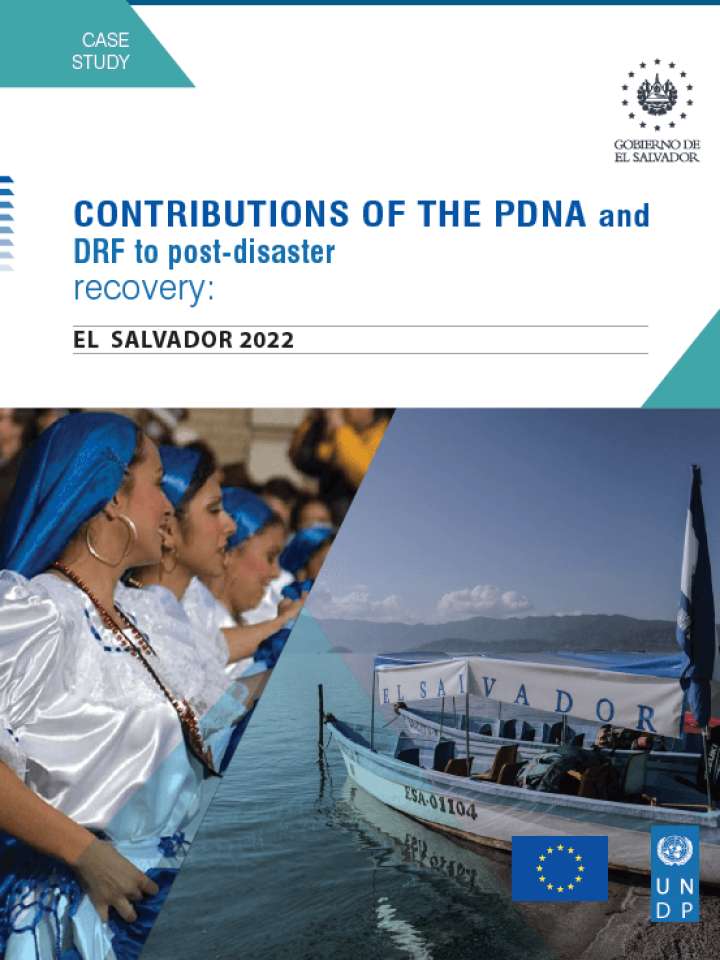
A policy note on “Addressing the complexity of climate-induced loss and damage: reflections on UNDP technical support to Belize, El Salvador and Mozambique”. The policy note highlights lessons from UNDP’s technical support to Belize, El Salvador and Mozambique and provide some reflections on the complexity of addressing these issues, particularly regarding non-economic losses and the integration of local knowledge and perspective. The approach of technical support focused on using sectoral historical data from PDNAs and coupled with climate models and scenarios, analyse and project Loss & Damage (L&D) from climate-related events. This methodological approach was rolled out in El Salvador, Belize and Mozambique, with the publication of El Salvador (2024) and Belize (2025) ‘cost of inaction’ studies and Mozambique’s Loss and Damage Stocktaking Study (2025). All of these, served to anticipate L&D and to inform the development of financing solutions and priorities for Nationally Determined Contributions (NDC) 3.0. In Belize, the study informed the development of the National L&D Framework currently being validated.
Voluntary Commitments
The Sendai Framework Voluntary Commitments (SFVC) online platform allows stakeholders to inform the public about their work on DRR. The SFVC online platform is a useful toolto know who is doing what and where for the implementation of the Sendai Framework, which could foster potential collaboration among stakeholders. All stakeholders (private sector, civil society organizations, academia, media, local governments, etc.) working on DRR can submit their commitments and report on their progress and deliverables.
