PreventionWeb
Navigation loading…

Navigation failed to load. If you are on the UNDRR office network, your browser may be blocking access to external resources. Learn how to allow access.

Menu
Last updated 27 Nov 2025

Recovery Collection: Nepal: Gorkha Earthquake 2015
Image

Introduction

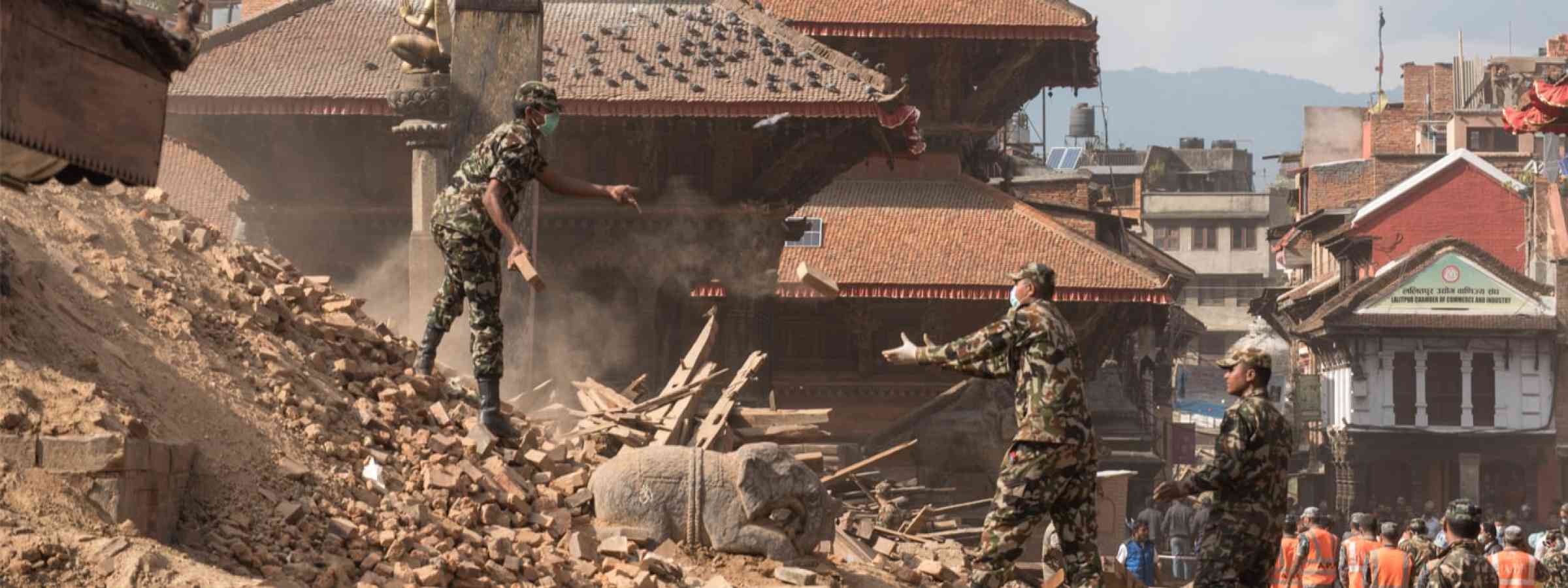
The Gorkha Earthquake in Nepal occurred on 25 April 2015 and had a magnitude of 7.6. Its epicentre was about 76km northwest of the capital Kathmandu. It was followed by more than 300 aftershocks. Around 9,000 people were killed, of whom approximately 55 per cent were female, and over 100,000 people were injured. Overall eight million people have been impacted, which is almost one-third of the population of Nepal.

The housing sector was by far the most affected, also given that numerous houses in poorer rural areas did not have any seismic-resistant features. Over 500,000 houses were destroyed and another 269,000 damaged, which included historical and cultural monuments recognized as UNESCO World Heritage Sites. In addition to destroyed or damaged key infrastructure livelihoods, e.g. in the agriculture and tourism sector, have been also critically impacted. According to the Post Disaster Needs Assessment by the UN, World Bank and the EU the total value of the damages and losses of the disaster was estimated at US$7.1 billion, while the estimated needs for recovery were US$ 6.7 billion. The damages and losses of the housing sub-sector and the resulting recovery needs accounted for almost half of the total amount respectively.

According to the latest Independent Impacts and Recovery Monitoring by the Asia Foundation around five years after the earthquake the large majority of the affected people live again in their own houses. Out of all households with damaged houses three-quarters now live in either a rebuilt or repaired house or another house not damaged by the earthquake. However, others continue to occupy damaged houses or those without seismic-resistant features. For many households the recovery from the earthquake remains a financial burden, demonstrated by prevalent borrowing. Four per cent who are still living in temporary shelters are in particular need of support.
 

Hazards
Earthquake
Themes
Governance Inclusion Recovery Recovery planning Shelter and housing
Country and region
Nepal

Knowledge base

Items: 93
Documents and publications
PDNA - Post Disaster Needs Assessments
30 June 2015
Nepal earthquake 2015: Post disaster needs assessment

The report presents a comprehensive post disaster needs assessment exercise, launched with response and relief efforts at the request of the Government of Nepal, with the objective to estimate damages and losses caused by the earthquake.

Nepal - government
Global Facility for Disaster Reduction and Recovery, the (GFDRR)
United Nations Development Programme (UNDP)
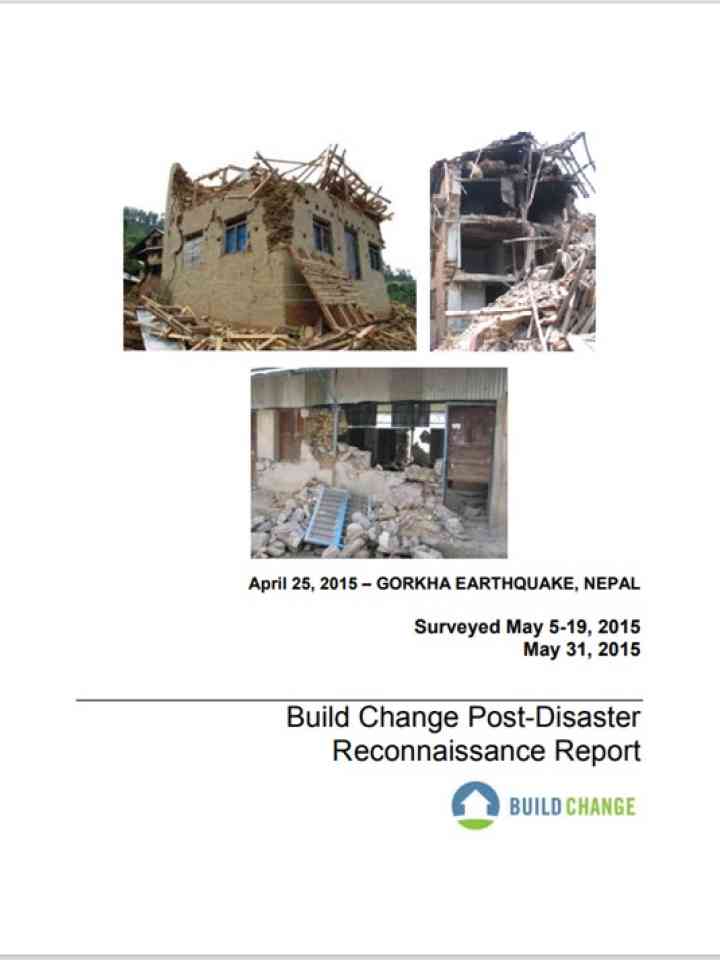
Build Change Post-Disaster Reconnaissance Report
Documents and publications
Publications
31 May 2015
Build Change 2015 Nepal Earthquake Reconnaissance Report

This reconnaissance report seeks to assess the damage, learn about building structures and materials, and provide advice after the earthquake in Nepal.

Build Change
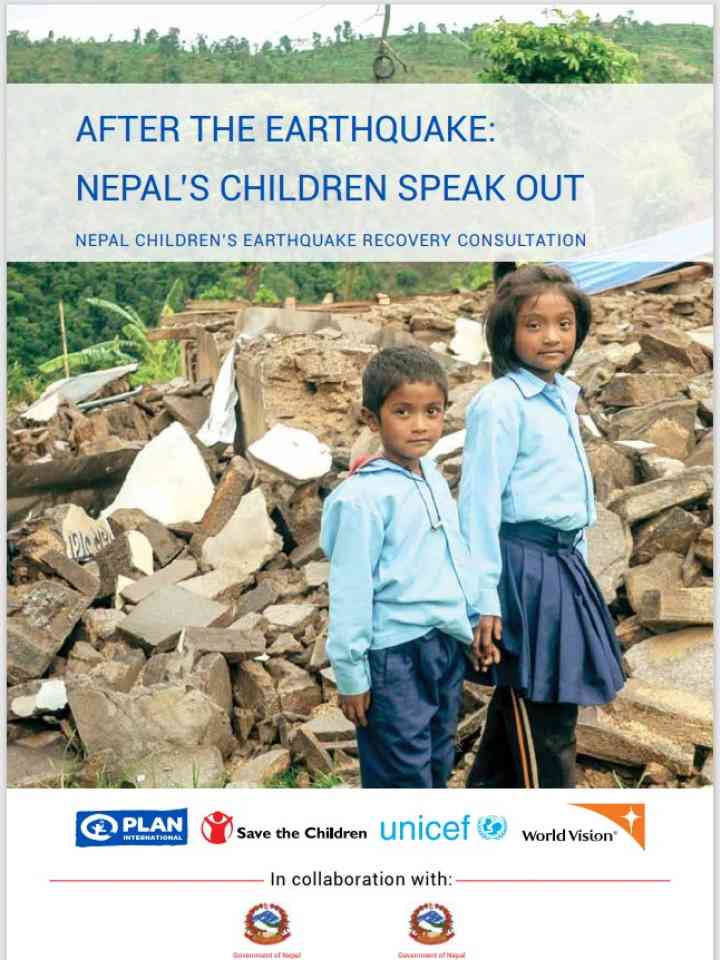
After the Earthquake: Nepal’s children speak out
Documents and publications
Publications
30 April 2015
After the earthquake: Nepal’s children speak out

This report reflects the views and voices of children affected by the twin earthquakes in Nepal, who were consulted in May and June 2015.

Save the Children International
Plan International (PI)
World Vision International
United Nations Children's Fund (UNICEF)

Pagination

Showing results 91–93 on this page

  • Previous
  • 1
  • …
  • 5
  • …
  • 9
  • 10

Is this page useful?

Yes No
Report an issue on this page

Thank you. If you have 2 minutes, we would benefit from additional feedback (link opens in a new window).

The International Recovery Platform (IRP) is a global partnership working to strengthen knowledge, and share experiences and lessons on building back better in recovery, rehabilitation, and reconstruction.

Latest IRP videos and photos: YouTube Flickr Contact IRP

Loading