PDNA: Post-Disaster Needs Assessments
A Post-Disaster Needs Assessment and Recovery Framework (PDNA/RF) together comprise an approach to harmonize the assessment, analysis and prioritization of damages, losses and needs by a range of stakeholders (United Nations agencies and programmes, the World Bank, donors, non-governmental organizations) in support of the national government.
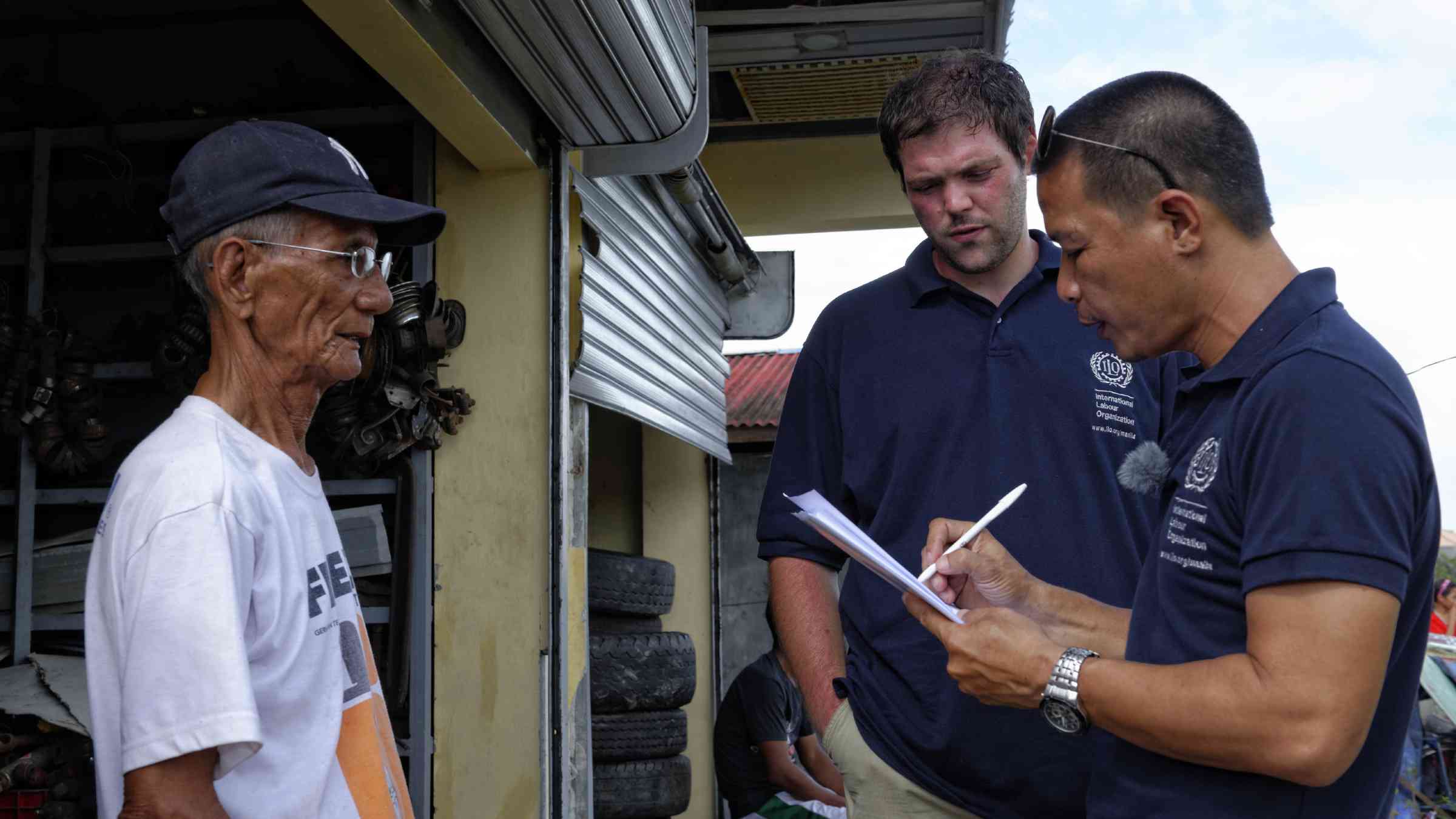
PDNA guidance
These guides support a consistent and coherent approach to the post-disaster assessment, provide an objective and comprehensive estimate of recovery needs, while facilitating quick decision-making and action

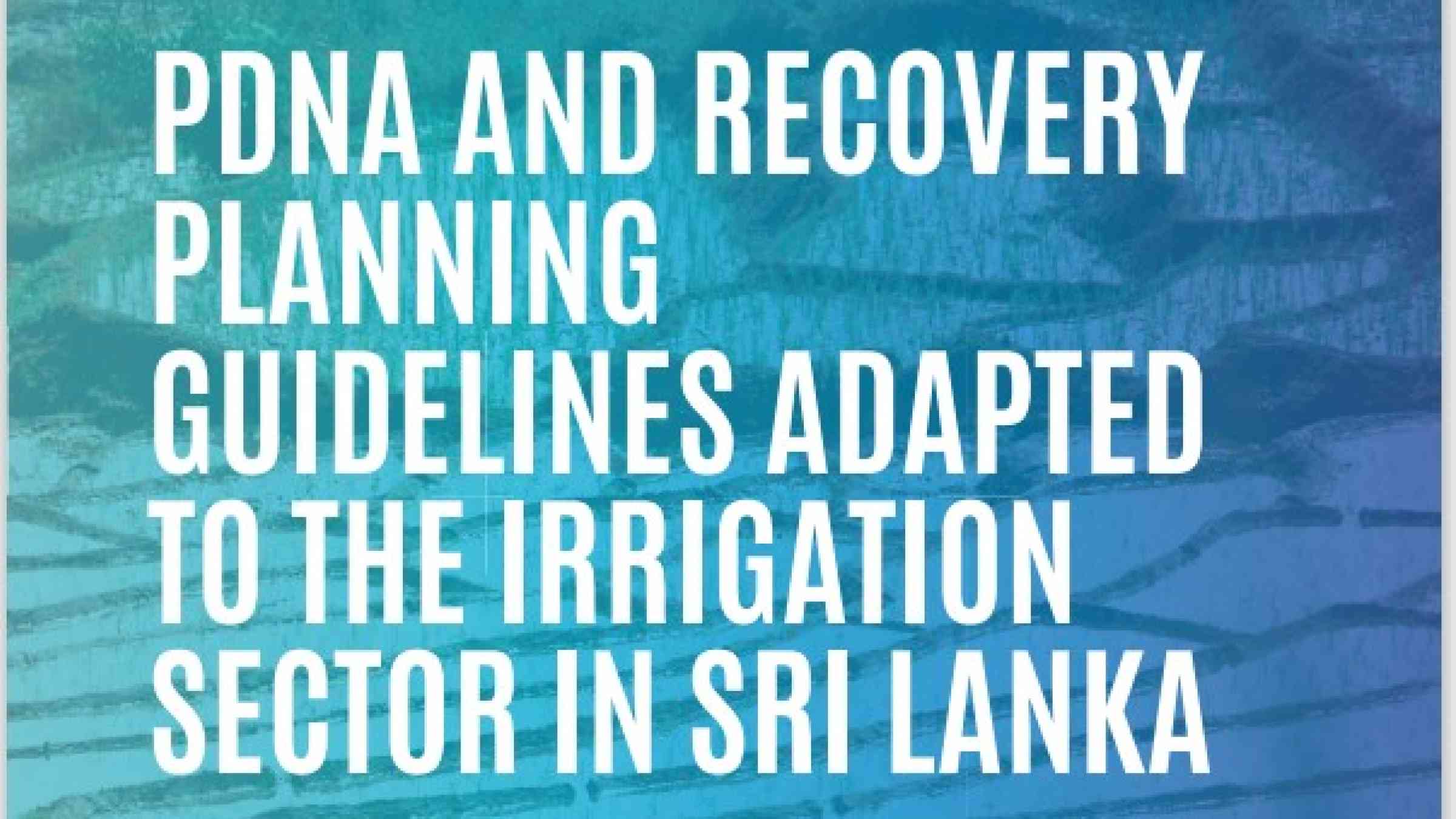


Featured PDNAs
PDNA is a government-led exercise, with integrated support from the United Nations, the European Commission, the World Bank and other national and international actors. A PDNA pulls together information into a single, consolidated report, information on the physical impacts of a disaster, the economic value of the damages and losses, the human impacts as experienced by the affected population, and the resulting early and long-term recovery needs and priorities.
All PDNAs
PDNA on-demand training
Related resources
- Guide for conducting Post Disaster Needs Assessments (PDNA)
- Recovery and peacebuilding assessments, post-disaster needs assessments and COVID recovery needs assessments
- Methodology note on the global rapid post-disaster damage estimation (GRADE) approach
Recovery Help Desk: A service of the IRP, responding to requests for support with building back better in recovery from disasters.