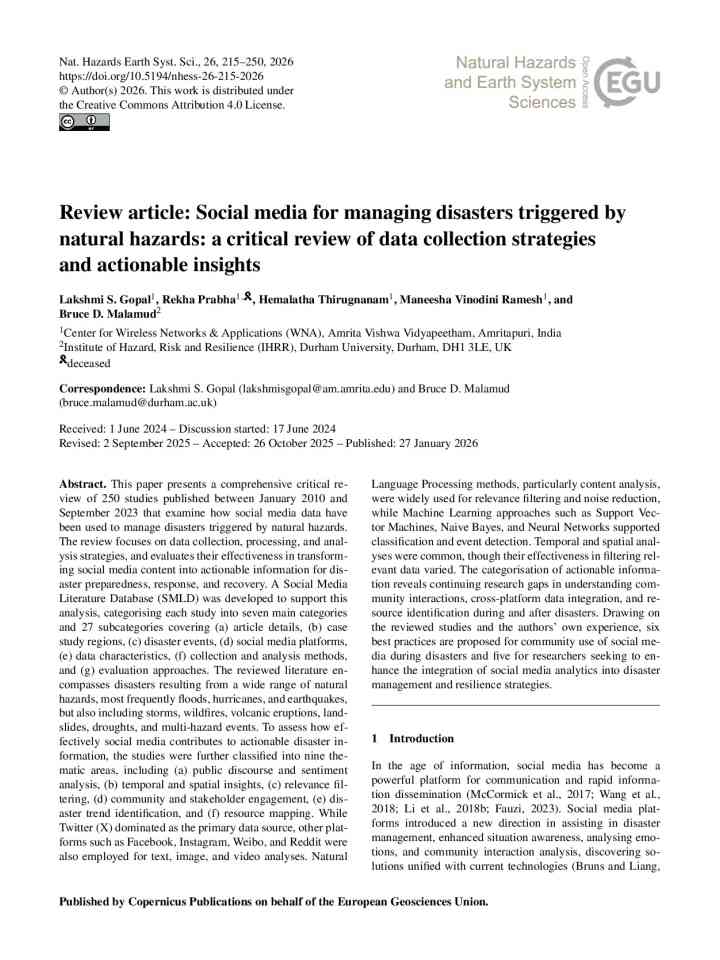
This paper presents a comprehensive critical review of 250 studies published between January 2010 and September 2023 that examine how social media data have been used to manage disasters triggered by natural hazards.
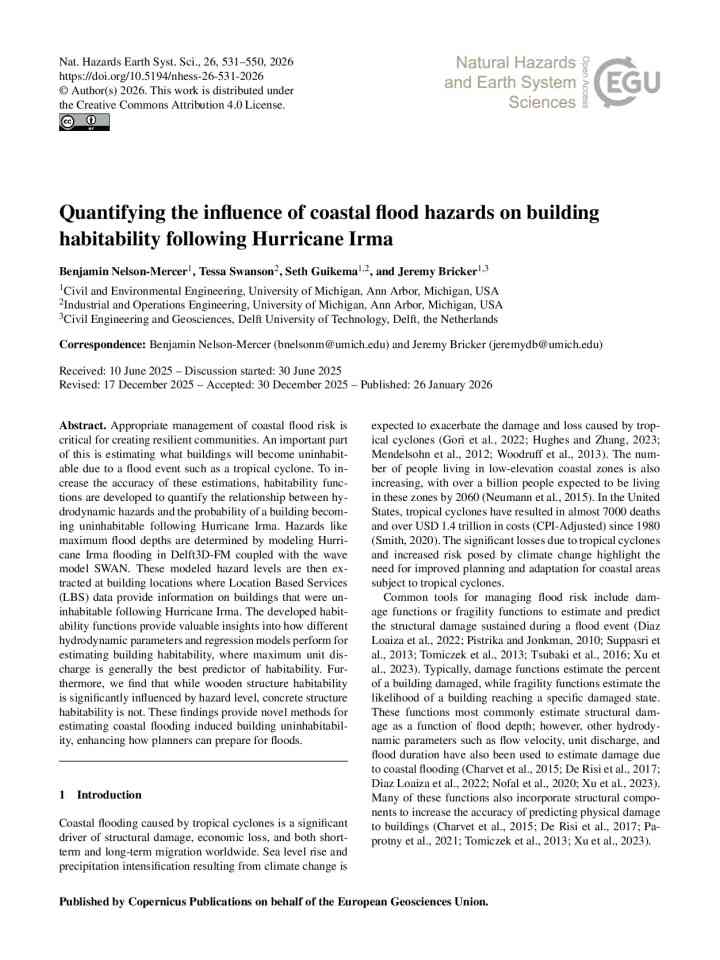
This study develops habitability functions to quantify the relationship between hydrodynamic hazards and the probability of buildings becoming uninhabitable following Hurricane Irma.
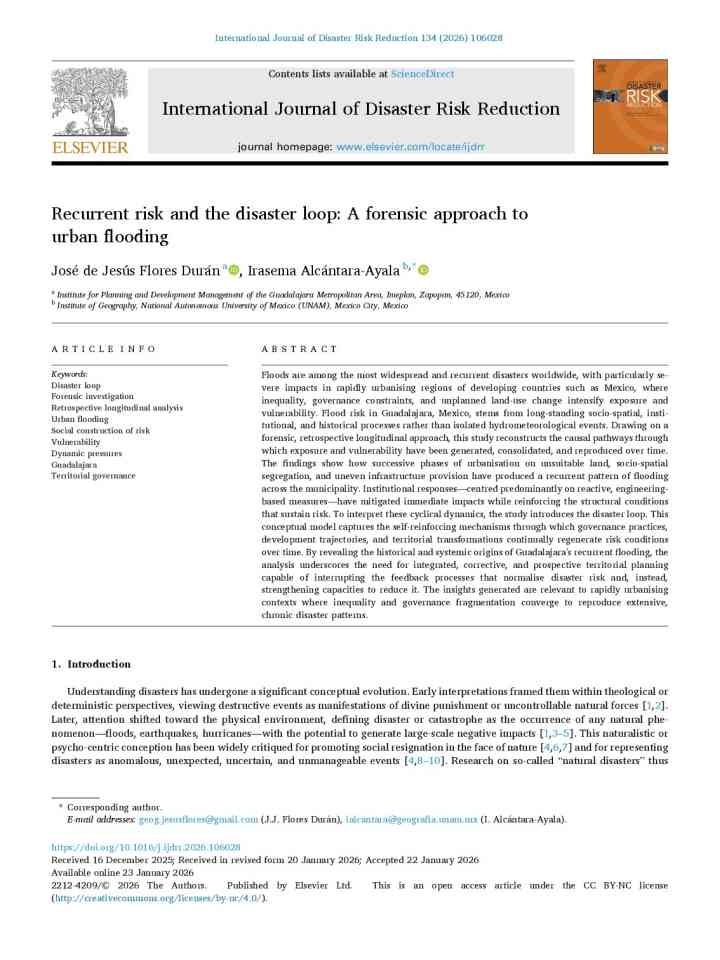
This publication examines how recurrent flooding in Guadalajara, Mexico, is not the result of isolated hydrometeorological events but the outcome of long-standing socio-spatial, institutional, and historical processes shaped by inequality.
International Journal of Disaster Risk Reduction (Elsevier)
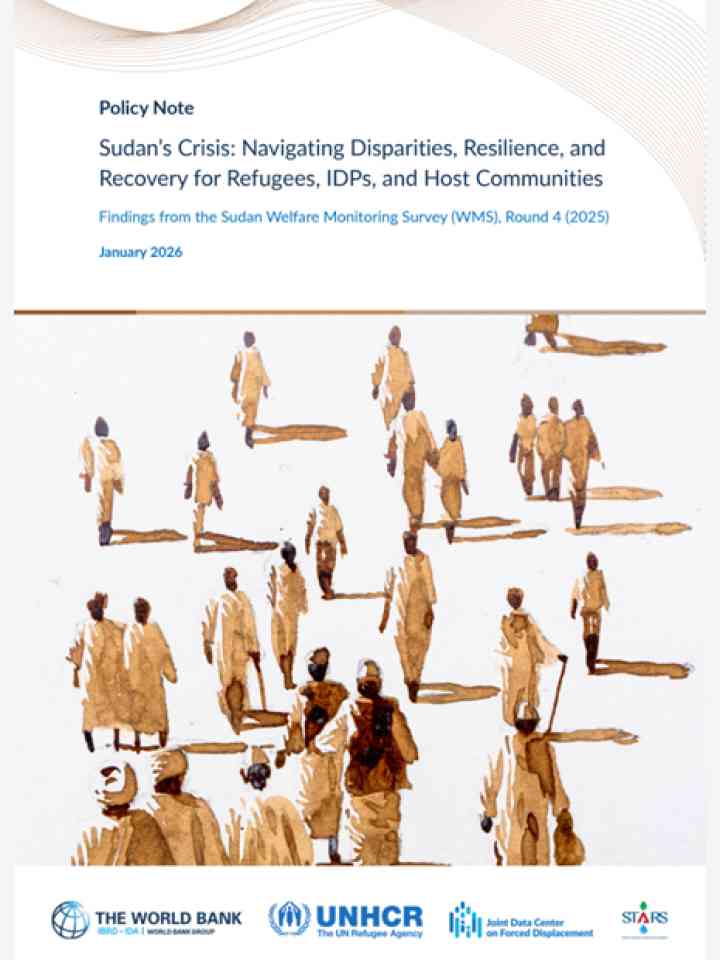
The report analyzes the socio-economic impacts of conflict in Sudan, highlighting worsening food insecurity, displacement, and livelihood challenges based on the fourth round of the Welfare Monitoring Survey.
United Nations High Commissioner for Refugees (UNHCR)
This Global Rapid Post-Disaster Damage Estimation (GRADE) report provides a synopsis of the estimated direct physical damage in Sri Lanka due to the passage of Cyclone Ditwah.
This plan outlines how the Yarrabah Aboriginal Shire Council prepares for, responds to, and recovers from disasters affecting the Yarrabah community in Queensland, Australia.
This factsheet outlines the critical role of resilient housing reconstruction in disaster risk management within Fragile, Conflict, and Violence (FCV) contexts.