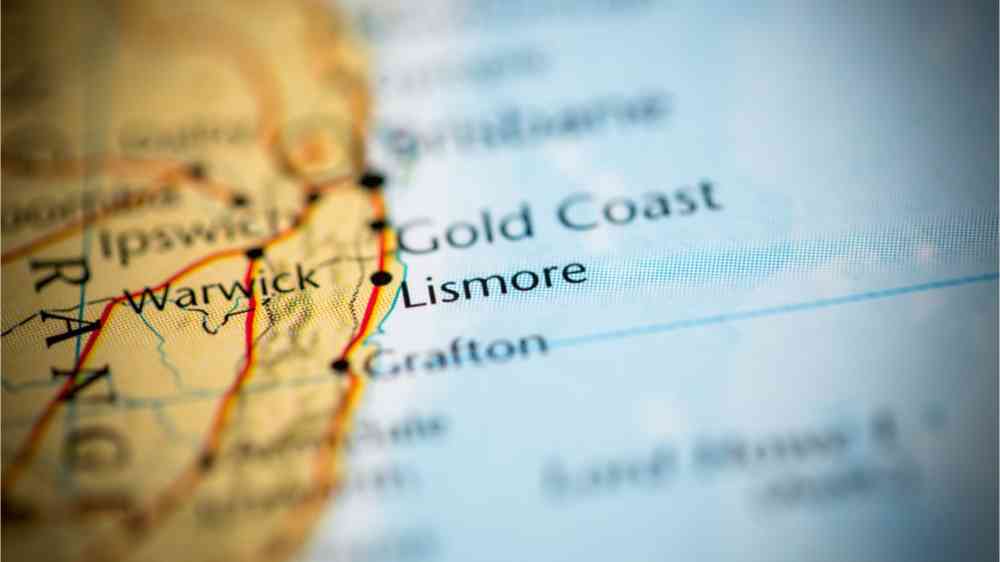
Lismore businesses hit by the 2022 floods are rebuilding with practical resilience measures, from flood‑ready materials to improved evacuation plans, while urging government support for stronger infrastructure, especially reliable power.
This article highlights how the 2024 floods in Rio Grande do Sul triggered a coordinated response with UNDRR, the Dutch DRRS team, and international partners to embed resilient recovery and “Build Back Better” principles into reconstruction.
United Nations Office for Disaster Risk Reduction (UNDRR)
Ahead of WRRC on 3 June, IRP and partners hosted global events sharing good practices on recovery readiness, displacement, private sector resilience and finance - highlighting inclusive planning, collaboration and stronger systems to build back better.
United Nations Office for Disaster Risk Reduction (UNDRR)
In interviews with residents and builders after disasters from Hawaii to Colorado to Puerto Rico, an engineer and policy specialist found people often overestimating the cost of building back better.
Read on to explore seven diverse examples of how AI can reduce disaster risks and build resilient communities - from harnessing satellite data to predict natural hazards, to improving multilingual weather alerts and streamlining evacuation procedures.
United Nations Office for Disaster Risk Reduction (UNDRR)
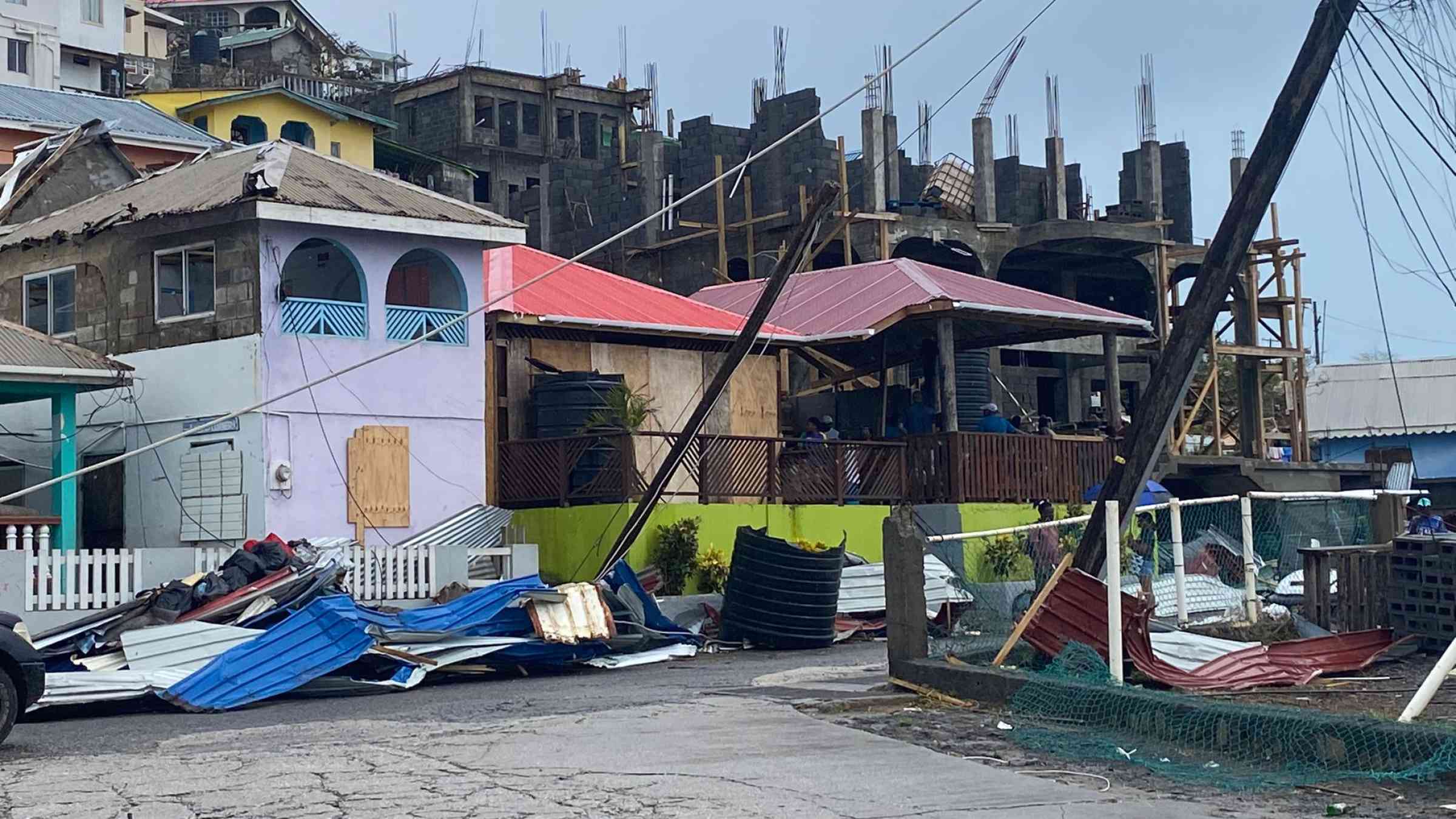
One week after the storm, communities are coming to terms with the full extent of Hurricane Beryl’s destruction. And hurricane season is far from over.
International Federation of Red Cross and Red Crescent Societies (IFRC)
Two related but often confused topics play into a system architecture that mitigates against failure: high availability (HA) and disaster recovery (DR).
Urban Institute analyzed data from the US Census Bureau and other sources and reflected on evidence from past disasters and identified four key issues that may need to be addressed as part of an equitable recovery.