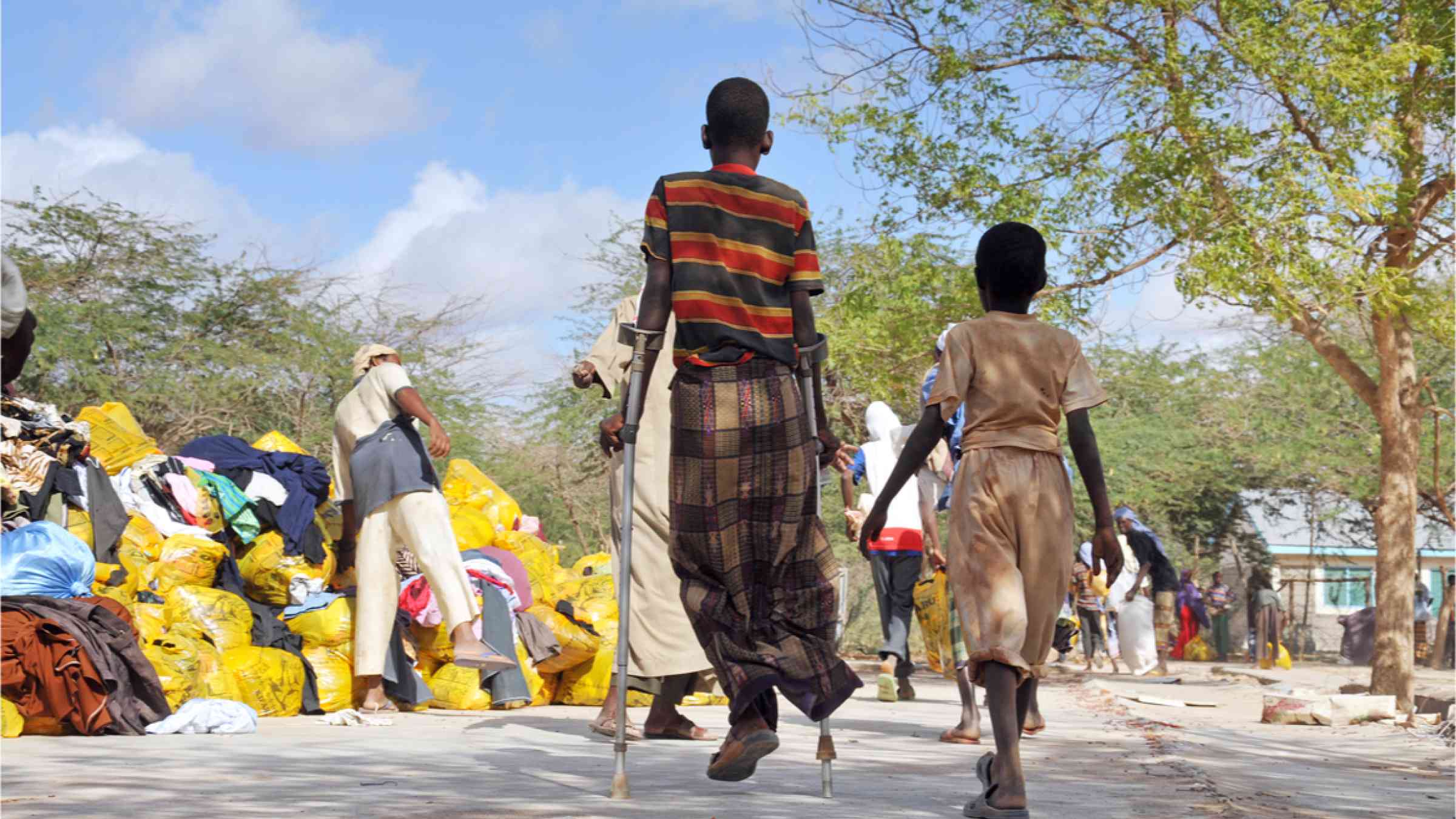
When disaster strikes, coming together to support impacted communities not only helps with their recovery – it can set them on the path to a more resilient, sustainable future.
United Nations Office for Project Services (UNOPS)
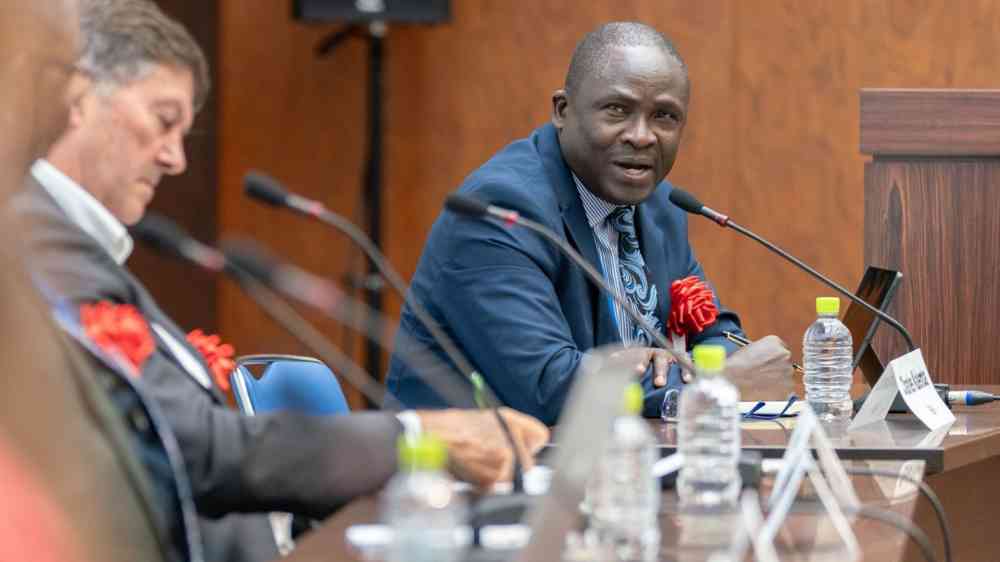
The International Recovery Forum 2024 concluded successfully in Kobe, Japan, marking a big step forward in global efforts towards resilient recovery from disasters.
United Nations Office for Disaster Risk Reduction (UNDRR)
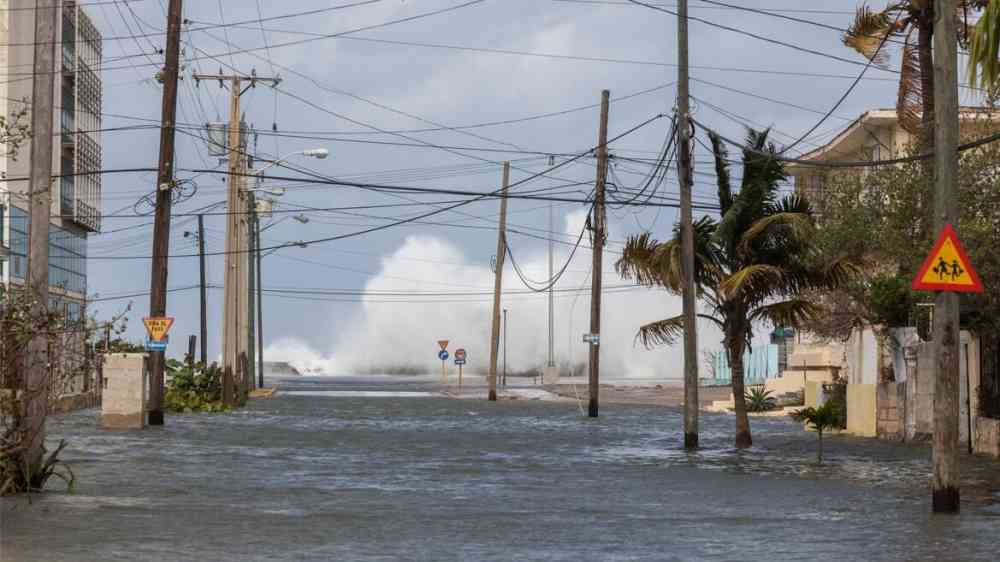
Climate change is increasing the frequency and intensity of extreme weather events in the Caribbean, and for small islands such as Dominica (not to be confused with the much larger Dominican Republic) it is an existential threat.
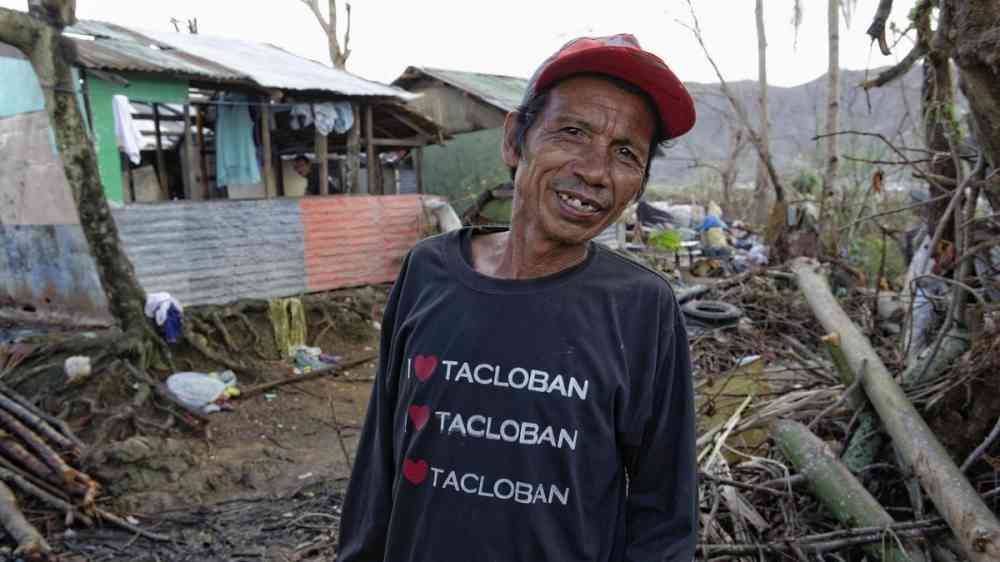
On 8 November 2013 Typhoon Haiyan made landfall in the Philippines. Ten years on, survivors are still rebuilding their lives, but wide-ranging resilience measures mean that previously at-risk communities are now better protected.
United Nations Office for Disaster Risk Reduction (UNDRR)
The social and economic consequences of disasters are a reminder of our shared vulnerability and a reason to initiate a global movement to both mitigate and adapt to climate change.
Miyamoto International
Coalition for Disaster Resilient Infrastructure (CDRI)
On the request of the Government of Pakistan, the World Bank reconstructed key transport infrastructure through a developed model that estimates accessibility to services at small scales using geospatial and remote sensing data.
It is known that parts of Australia – the world’s most fire-prone continent – would be likely to see more intense and more damaging fires as climate change adds heat and takes away moisture in many regions. Longer night fires signal a long fire season.
Fighting inequality for a resilient future is the theme of this year’s International Day for Disaster Risk Reduction. It highlights the vicious cycle between disasters and inequality
The Centre for Disaster Protection is on a mission to prevent disasters from devastating lives by ensuring that countries are better prepared for crises.
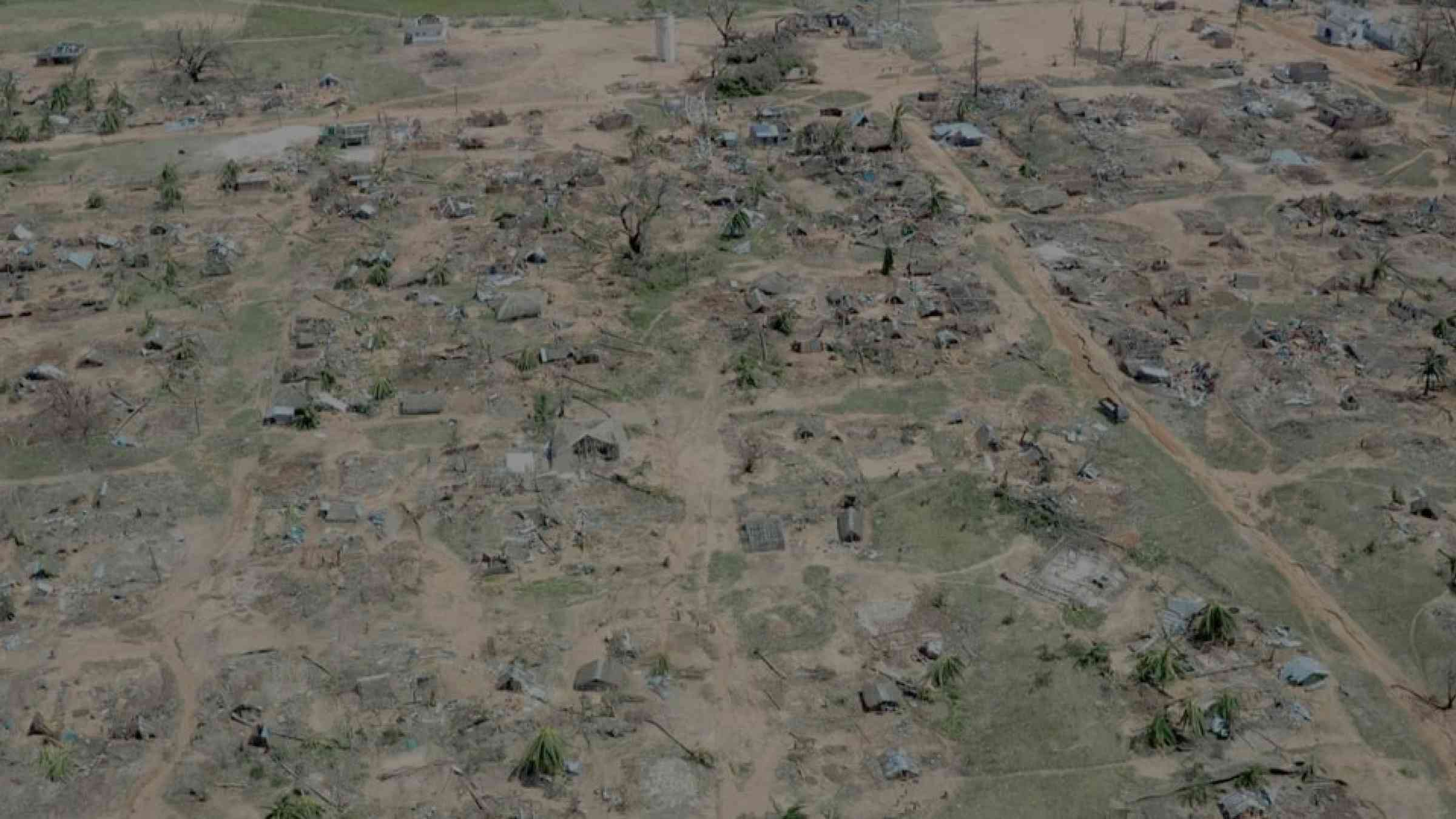
More than three years after cyclone Idai and Keneth hit Mozambique in 2019, much of the country is still trying to recover. An example of such recovery taking place is being witnessed in the lower Beira corridor.
United Nations Human Settlements Programme (UN-HABITAT)