PreventionWeb
Navigation loading…

All India Disaster Mitigation Institute

AIDMI
India
Non Governmental Organizations

Mission

The All India Disaster Mitigation Institute (AIDMI) is a registered non-governmental organization based in Ahmedabad, Gujarat, India. It is a community-based action planning, action research and advocacy organization, working towards bridging the gap between policy, practice and research related to disaster mitigation. Established after the 1987–89 Gujarat droughts, AIDMI has expanded its work over the years to cover nine types of disasters in twelve areas of India and beyond to eight countries in Asia. AIDMI strives to link local communities to national and international levels of risk reduction, relief and long-term recovery policies and programs. As an operational and learning organization, AIDMI works towards promoting Disaster Risk Mitigation and Adaptation to climate change risk by supporting, capturing, processing and disseminating disaster related information, lessons and innovative ideas as well as conducting stakeholder round tables, trainings of trainers, reviews, evaluations, and pilot projects.
Show more
Latest additions
Items: 34
Documents and publications
6 December 2013
New generation of risk reducers

Southasiadisasters.net issue no. 100, November 2013:

This 100th issue takes stock of a wide variety of issues from the field of disaster risk reduction. It contains articles covering emerging issues such as the rebuilding process in Uttrakhand, building

All India Disaster Mitigation Institute
Southasiadisasters.net issue no. 100, November 2013:
Documents and publications
27 November 2013
Global expo: reducing risk in the South

This article summarizes the deliberations and presentations held at the Global South-South Development (GSSD) Expo 2013 and the AIDMI partnership forum focusing on South-South Cooperation at the local level in two areas: (i) scaling up the South-South

All India Disaster Mitigation Institute
This article summarizes the deliberations and presentations held at the Global South-South Development (GSSD) Expo 2013 and the AIDMI partnership forum focusing on South-South Cooperation at the local level in two areas: (i) scaling up the South-S
Documents and publications
20 November 2013
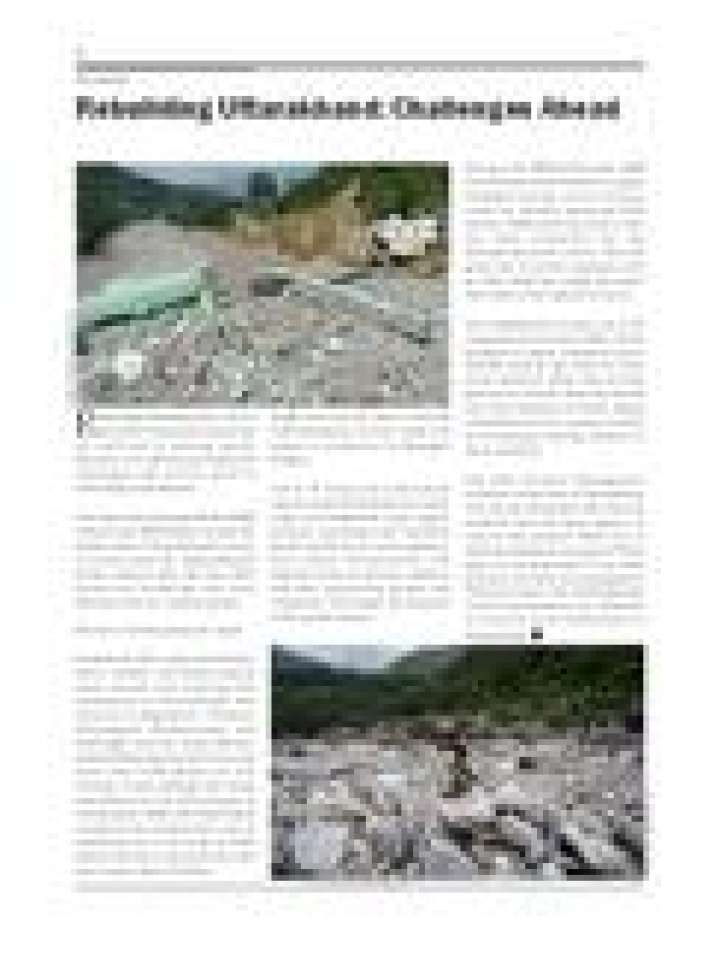
Rebuilding Uttarakhand: challenges ahead

This article takes stock of the major challenges that lie ahead in rebuilding a more resilient Uttarakhand after the June 2013 floods. It raises important albeit inconvenient questions about how to make the best possible use of the help available and

All India Disaster Mitigation Institute
This article takes stock of the major challenges that lie ahead in rebuilding a more resilient Uttarakhand after the June 2013 floods.
Documents and publications
Case Study
1 November 2013
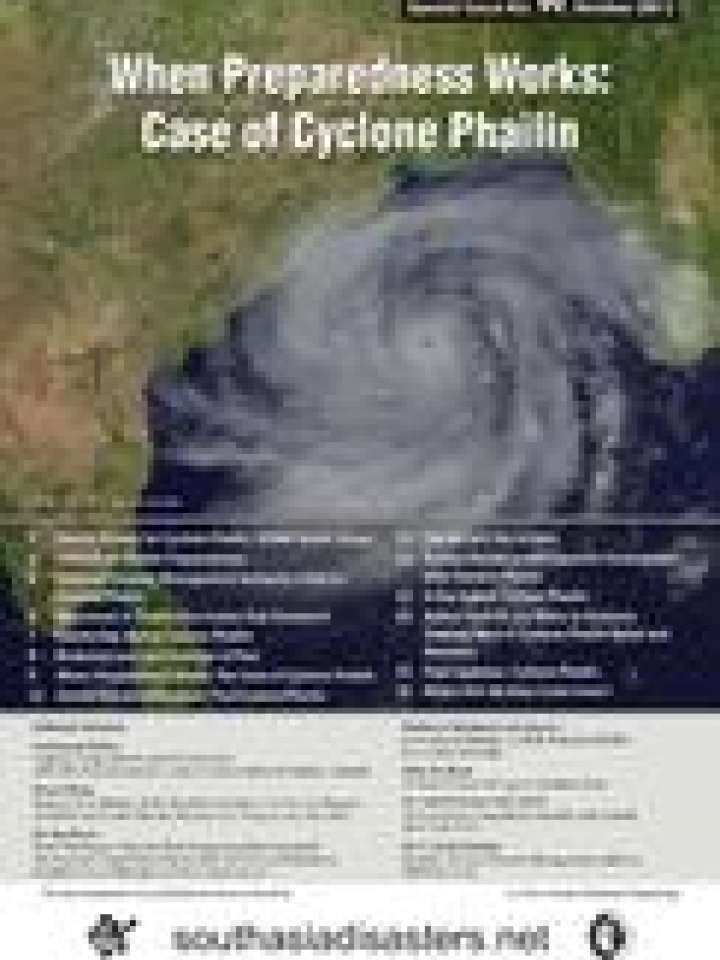
When preparedness works: case of cyclone Phailin

This issue focuses on the preparedness activities that took place against the backdrop of Cyclone Phailin.

All India Disaster Mitigation Institute
This issue focuses on the preparedness activities that took place against the backdrop of Cyclone Phailin.
Documents and publications
30 October 2013
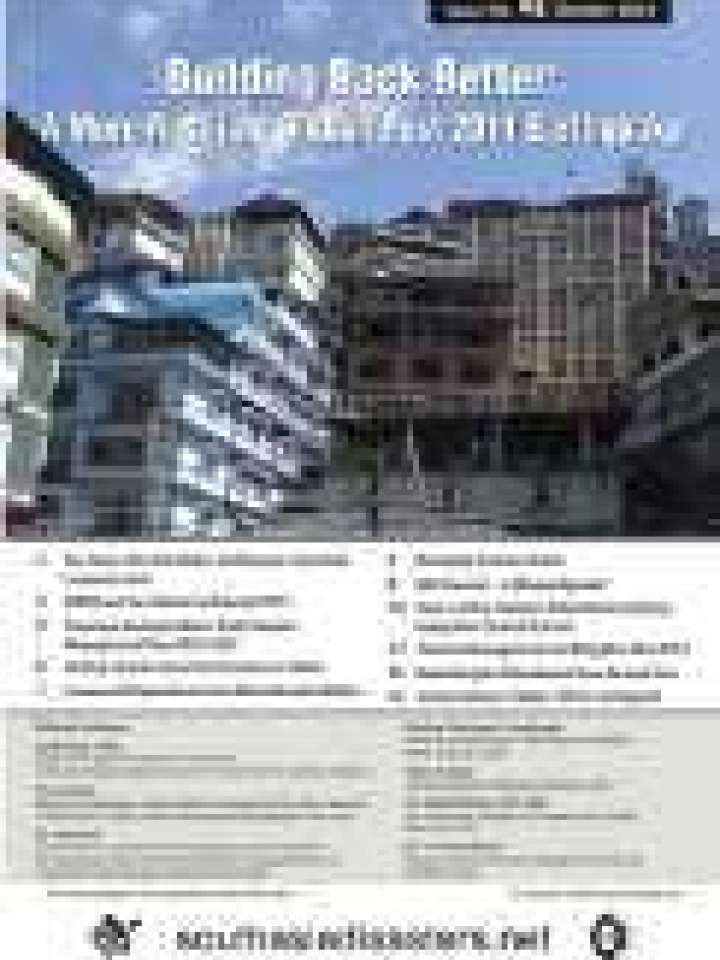
Building back better: a more resilient Sikkim post 2011 earthquake

Southasiadisasters.net issue no. 98, October 2013:

This issue builds on the experience of the 2011 earthquake in Sikkim. It focuses primarily on the recovery and rehabilitation of the Indian state of Sikkim following the 18 September 2011 earthquake

All India Disaster Mitigation Institute
Southasiadisasters.net issue no. 98, October 2013:
Documents and publications
8 October 2013
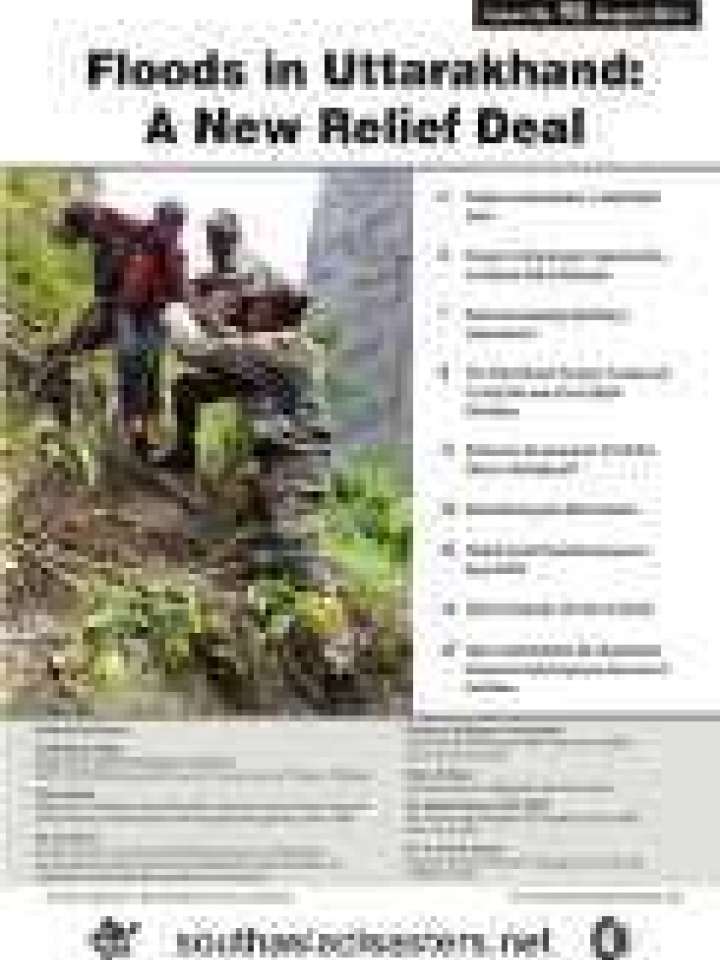
Floods in Uttarakhand: a new relief deal

Southasiadisasters.net issue no. 95, August 2013:

This issue covers articles related to disaster risk reduction and the floods in Uttarakhand. It is intended to national authorities and international organizations such as World Bank, Asian Development

All India Disaster Mitigation Institute
Southasiadisasters.net issue no. 95, August 2013:
Documents and publications
16 August 2013
Ecosystem based disaster management planning

This issue presents articles related to ecosystem, climate change, recovery and gender, in relation to disaster management planning in India and beyond. The content includes: (i) ecosystem based flood relief to recovery in Uttarakhand; (ii) a view from Delhi - emerging challenges of disaster risk reduction for the Asian Development Bank; (iii) ecosystem based disaster risk reduction; (iv) climate risk and district disaster management plan of Puri district, Odisha; (v) climate-smart revolution; (vi) addressing natural hazards in planning; (vii) long-term recovery issues in disaster management planning - emerging global trends; (viii) Yogyakarta declaration on disaster risk reduction; (ix) disaster risk reduction in post disaster shelter reconstruction - case study in the Indian sunderbans delta; (xi) gender, risk, and community mobilization in Uganda; (xii) what does the IPCC SREX report mean for India?; (xiii) protecting communities from climate change; (xiv) IUCN in Asia, a note for exploration.

All India Disaster Mitigation Institute
This issue presents articles related to ecosystem, climate change, recovery and gender, in relation to disaster management planning in India and beyond. The content includes: (i) ecosystem based flood relief to recovery in Uttarakhand; (ii) a view from Delhi - emerging challenges of disaster risk reduction for the Asian Development Bank; (iii) ecosystem based disaster risk reduction; (iv) climate risk and district disaster management plan of Puri district, Odisha; (v) climate-smart revolution; (vi) addressing natural hazards in planning; (vii) long-term recovery issues in disaster management planning - emerging global trends; (viii) Yogyakarta declaration on disaster risk reduction; (ix) disaster risk reduction in post disaster shelter reconstruction - case study in the Indian sunderbans delta; (xi) gender, risk, and community mobilization in Uganda; (xii) what does the IPCC SREX report mean for India?; (xiii) protecting communities from climate change; (xiv) IUCN in Asia, a note for exploration.
Documents and publications
6 December 2012
Future of monitoring and evaluation in humanitarian sector: possible list for discussion

This document lists five areas to support the system wide discussion around the future of monitoring and evaluation (M&E) in the humanitarian sector, including disaster risk reduction and climate change. The five areas highlighted are: (i) M&E of social

All India Disaster Mitigation Institute
This document lists five areas to support the system wide discussion around the future of monitoring and evaluation (M&E) in the humanitarian sector, including disaster risk reduction and climate change.

Pagination

  • Previous page ‹ Previous
  • Page 1
  • Page 2
  • Current page 3
  • Page 4
  • Page 5
  • Next page Next ›

More content for this organization may be available on PreventionWeb or on the site search.

Voluntary Commitments

The organization has no registered commitments.

The Sendai Framework Voluntary Commitments (SFVC) online platform allows stakeholders to inform the public about their work on DRR. The SFVC online platform is a useful toolto know who is doing what and where for the implementation of the Sendai Framework, which could foster potential collaboration among stakeholders. All stakeholders (private sector, civil society organizations, academia, media, local governments, etc.) working on DRR can submit their commitments and report on their progress and deliverables.

Contact information

http://www.aidmi.org/
[email protected]
Facebook
LinkedIn

Is this page useful?

Yes No
Report an issue on this page

Thank you. If you have 2 minutes, we would benefit from additional feedback (link opens in a new window).

The International Recovery Platform (IRP) is a global partnership working to strengthen knowledge, and share experiences and lessons on building back better in recovery, rehabilitation, and reconstruction.

Latest IRP videos and photos: YouTube Flickr Contact IRP

Loading