PreventionWeb
Navigation loading…

Navigation failed to load. If you are on the UNDRR office network, your browser may be blocking access to external resources. Learn how to allow access.

Menu

Asian Development Bank (ADB)

ADB
Philippines
UN & International Organizations

Mission

ADB is a multilateral development finance institution dedicated to reducing poverty in Asia and the Pacific. Established in 1966, ADB is now owned by 67 members - of which 48 are from within Asia and the Pacific and 19 outside.

 
Disaster Reduction Goal

To support the developing member countries in achieving poverty reduction, sustaining economic growth, reducing disaster losses, and enhancing natural resource management through investments in disaster resilience.

DRR activities
Policies and Programmes in DRR

ADB’s work in disaster risk management is guided by its Disaster and Emergency Assistance Policy (DEAP, 2004), which establishes a series of objectives focusing on:
• strengthening support for reducing disaster risk in developing member countries;
•providing rehabilitation and reconstruction assistance following disasters; and
•leveraging ADB’s activities by developing partnerships.

The Disaster and Emergency Assistance Policy is being implemented through an integrated disaster risk management (IDRM) approach that bring together the elements of disaster risk reduction (DRR), climate change adaptation (CCA), and disaster risk financing (DRF) within an overarching context of resilience.

Disaster Reduction Focal Point(s)

Charlotte Benson
Senior Disaster Risk Management Specialist
Public Management, Governance and Participation Division
Regional and Sustainable Development Department
Email: [email protected]

Websites

http://www.adb.org/themes/governance/disaster-risk-management
Show more
Latest additions
Items: 63
Publication
Published on
10 September 2010
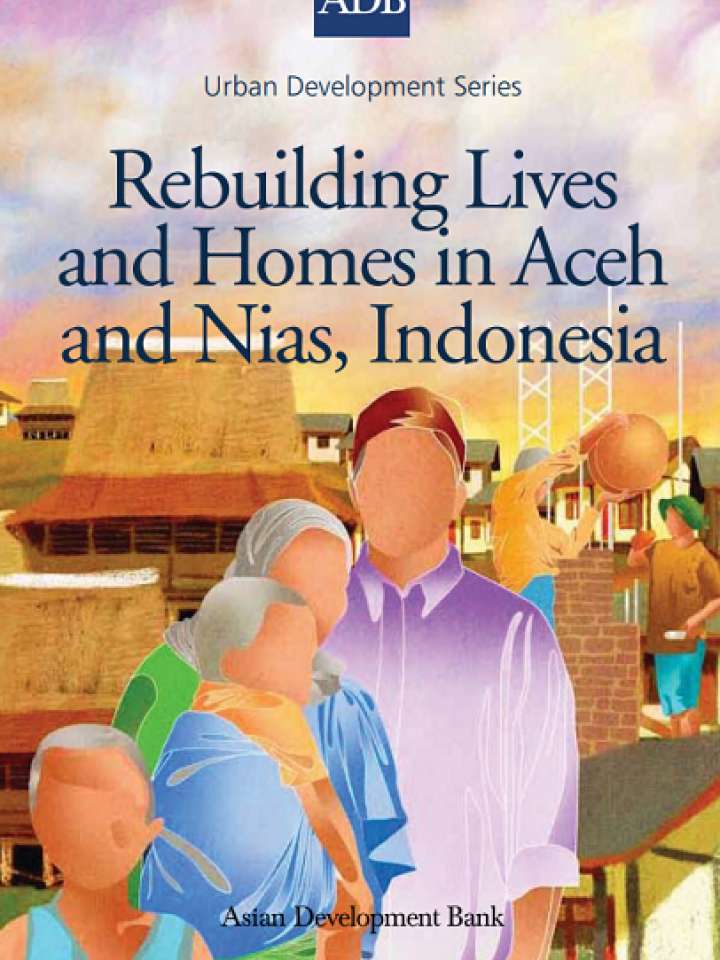
Rebuilding lives and homes in Aceh and Nias, Indonesia
This document presents the experience and lessons learned from the implementation of the Earthquake and Tsunami Emergency Support Project (ETESP) housing program carried out by the Asian Development Bank in Indonesia.
Publication
Published on
26 November 2009
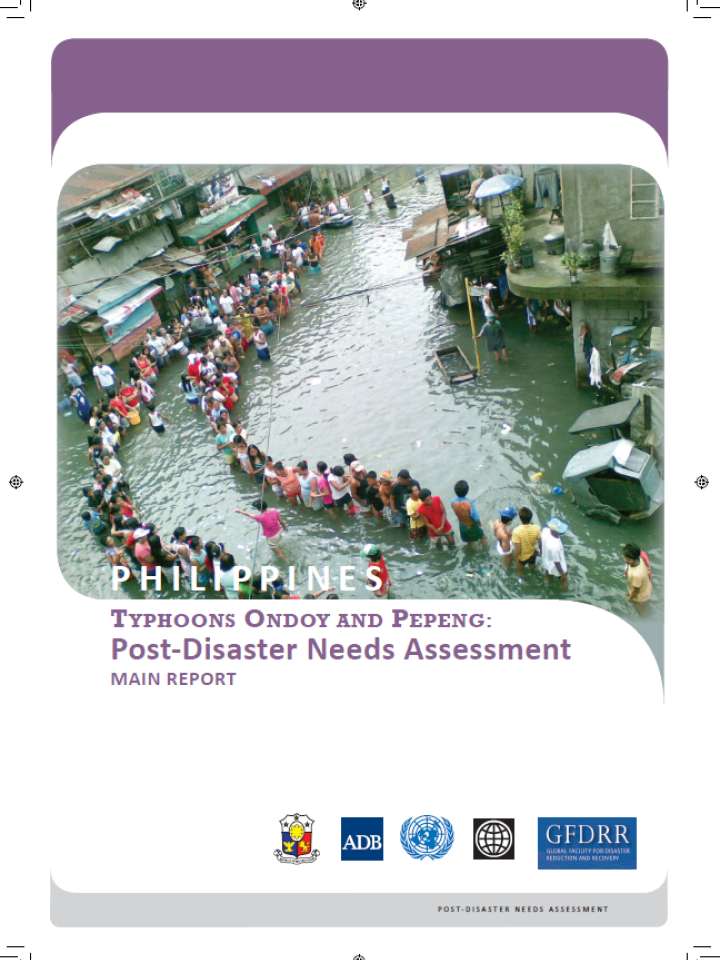
Typhoons Ondoy and Pepeng: Post-Disaster Needs Assessment
This Post-Disaster Needs Assessment analysis covers damages, losses, and economic and social impacts from Ondoy and Pepeng, providing a basis for determining recovery and reconstruction needs.
Publication
Published on
26 November 2009
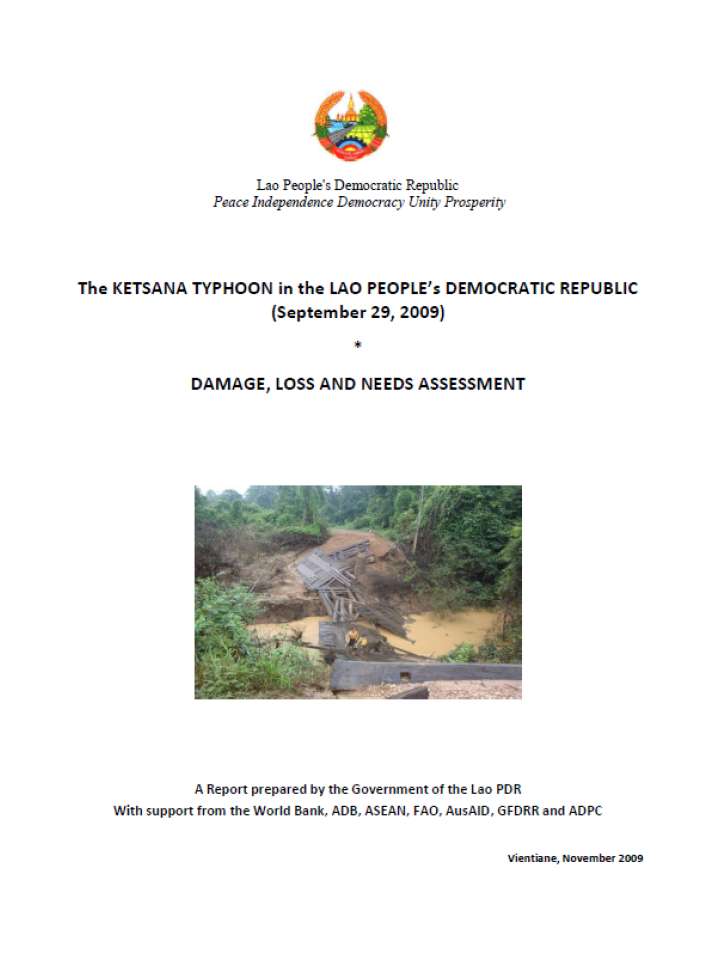
The Ketsana Typhoon in the Lao People's Democratic Republic - Damage, Loss, and Needs Assessment
This PDNA addresses the damages and losses from the impacts of Typhoon Ketsana, and identifies resource needs in the medium and longer term to address the urgent requirements for recovery and restoration of the livelihoods of the affected population
Publication
Published on
26 November 2009
Cambodia Post-Ketsana Disaster Needs Assessment
The Post-Disaster Needs Assessment (PDNA) evaluates the damages and losses from the impacts of Typhoon Ketsana, and addresses needs for recovery, resilient reconstruction and sustainable restoration of livelihoods of the affected population.
Publication
Published on
20 May 2009
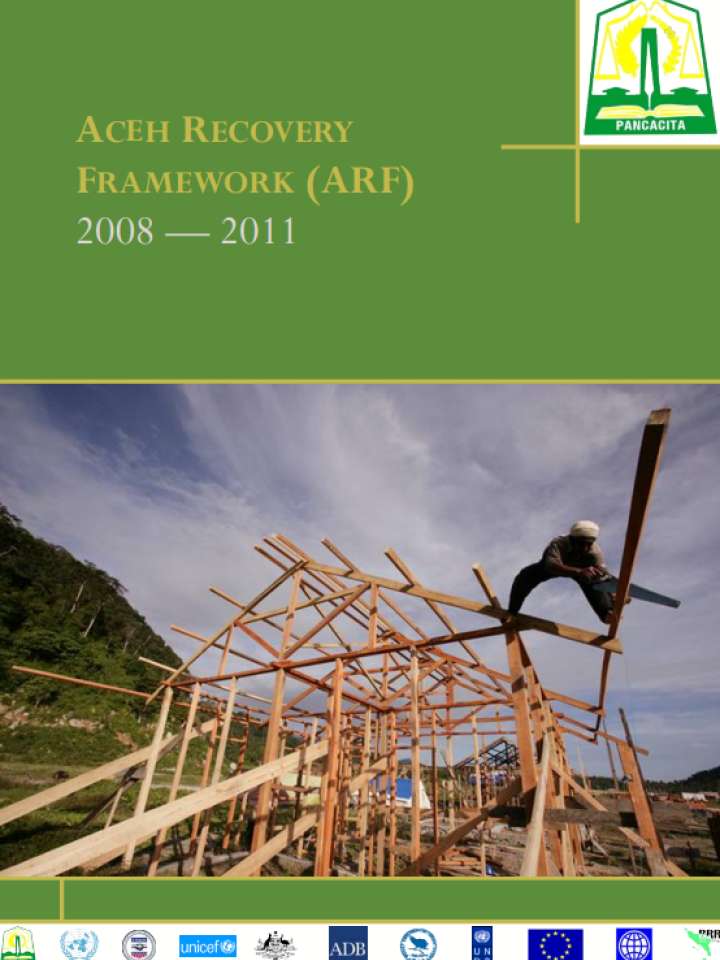
Aceh recovery framework (ARF) 2008-2011
This document presents the major challenges in Aceh’s transition and governmental priorities, benchmarks and outcomes in virtually every sector of peace building, recovery and development activity in the aftermath of the 2004 earthquake and tsunami.
Publication
Published on
10 August 2008
Tsunami, India: two years after
This report reflects on progress in the past two years and the contributions made to support the Government’s efforts by the World Bank, the Asian Development bank and the United Nations Team for Tsunami Recovery Support.
Publication
Published on
7 August 2008
Cyclone Sidr in Bangladesh: damage, loss and needs assessment for disaster recovery and reconstruction, draft executive summary, March 2008
The aim of the assessment is to identify priority areas to support the Government of Bangladesh in cyclone recovery efforts as well as to design a disaster management strategy.
Publication
Published on
30 April 2008
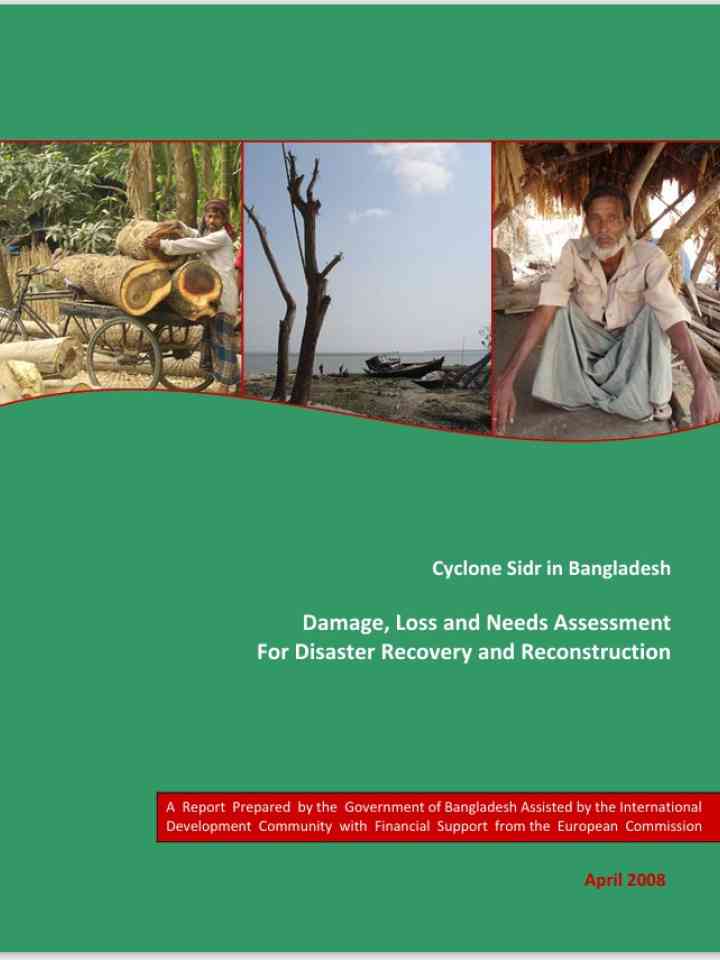
Cyclone Sidr in Bangladesh: Damage, loss, and needs assessment for disaster recovery and reconstruction
This document identifies the needs and quantified financial requirements that will facilitate formulating comprehensive early recovery actions, medium‐term recovery and reconstruction plans, and a long‐term risk management and reduction strategy.

Pagination

  • Previous page ‹ Previous
  • Page 1
  • Page 2
  • Page 3
  • Page 4
  • Page 5
  • Page 6
  • Current page 7
  • Page 8
  • Next page Next ›

More content for this organization may be available on PreventionWeb or on the site search.

Voluntary Commitments

The organization has no registered commitments.

The Sendai Framework Voluntary Commitments (SFVC) online platform allows stakeholders to inform the public about their work on DRR. The SFVC online platform is a useful toolto know who is doing what and where for the implementation of the Sendai Framework, which could foster potential collaboration among stakeholders. All stakeholders (private sector, civil society organizations, academia, media, local governments, etc.) working on DRR can submit their commitments and report on their progress and deliverables.

Contact information

http://www.adb.org/
+63 26324444
Fax:
+63 26322444
Facebook
LinkedIn
Twitter

Is this page useful?

Yes No
Report an issue on this page

Thank you. If you have 2 minutes, we would benefit from additional feedback (link opens in a new window).

The International Recovery Platform (IRP) is a global partnership working to strengthen knowledge, and share experiences and lessons on building back better in recovery, rehabilitation, and reconstruction.

Latest IRP videos and photos: YouTube Flickr Contact IRP

Loading