Economic Commission for Latin America and the Caribbean (ECLAC/CEPAL)
Mission
ECLAC, or CEPAL in Spanish, is one of the five regional commissions of the United Nations. It was founded with the purpose of coordinating actions directed toward the economic and social development of Latin America, and of reinforcing economic ties among countries and with other nations of the world. It provides studies and research, advocacy and info dissemination, and organizes workshops, symposia and seminars.
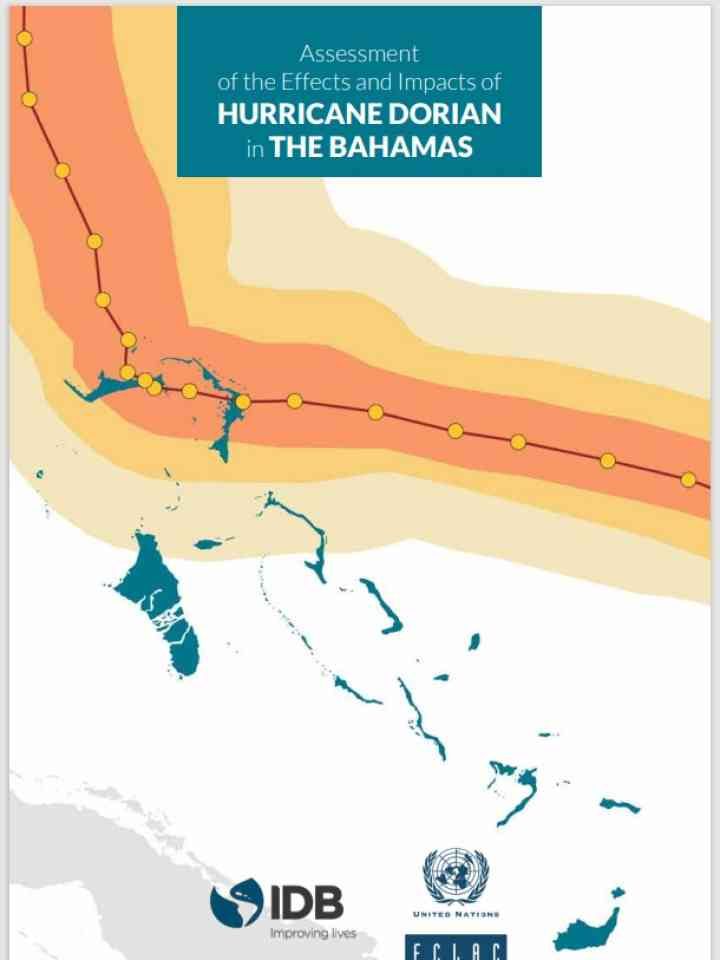
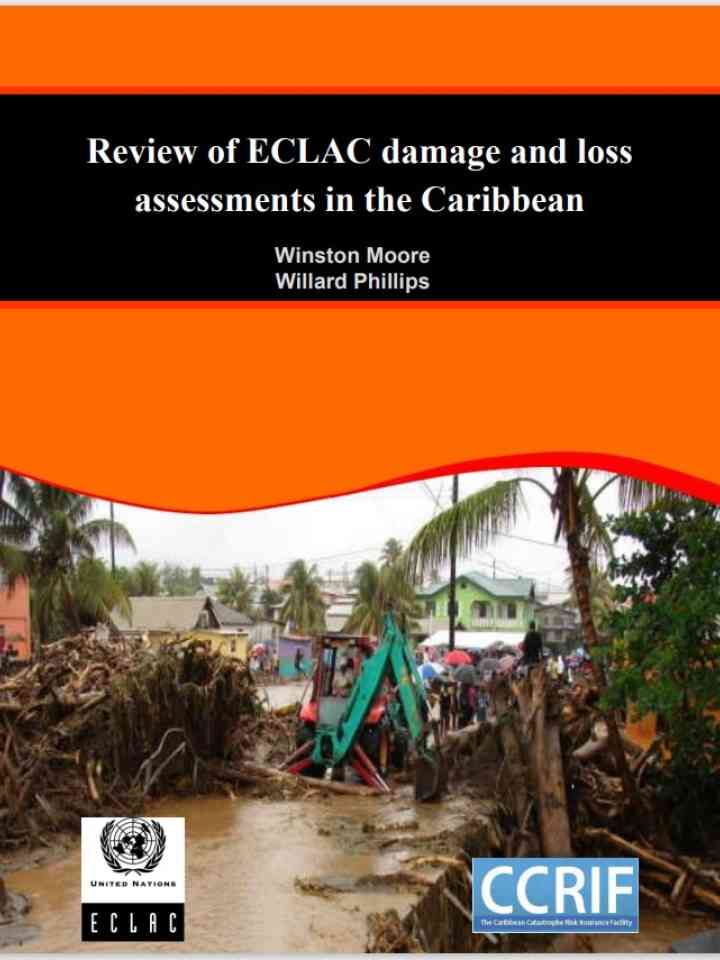
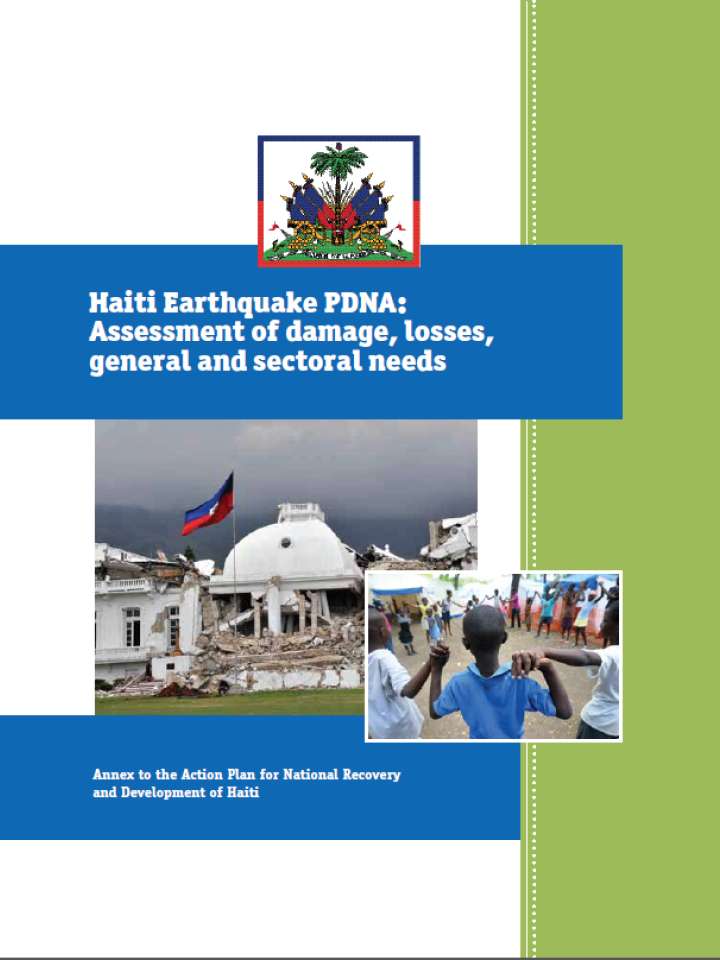
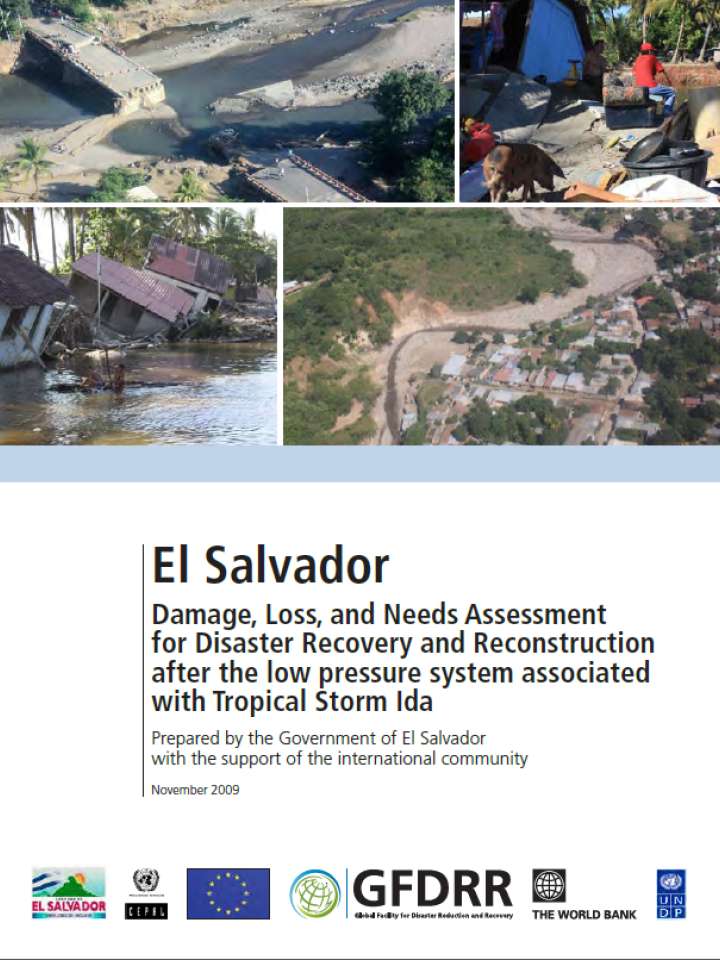
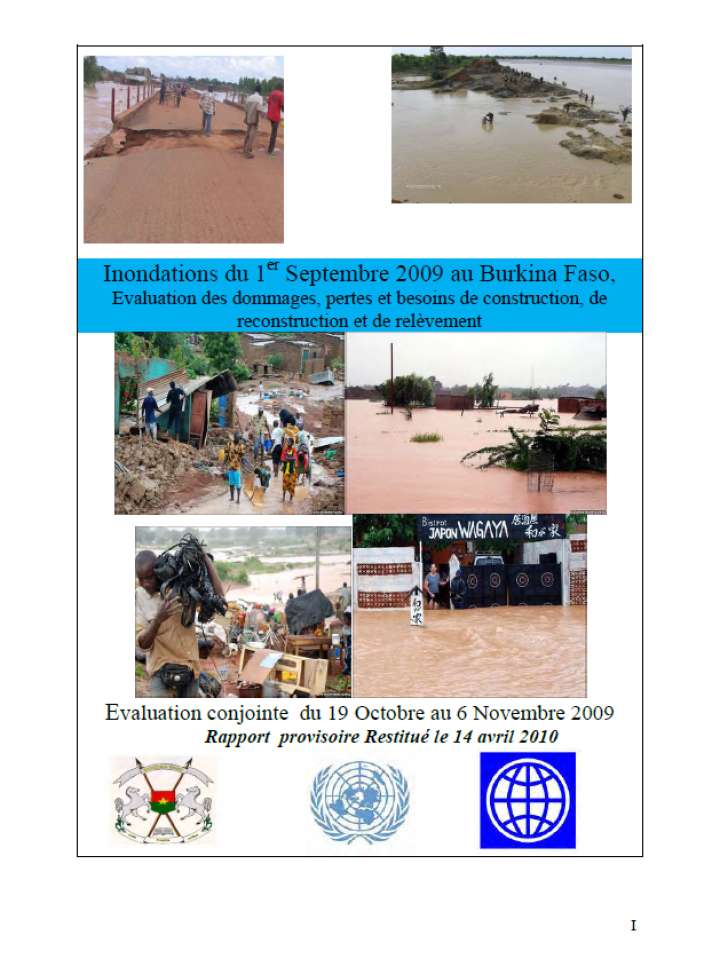
1. Disaster Assessments: ECLAC, together with the Inter-American Development Bank and the World Bank, led the DaLA of the largest disaster to affect the region in 2025-the floods in Rio Grande do Sul, Brazil. https://www.cepal.org/pt-br/publicacoes/81035-avaliacao-efeitos-impactos-inundacoes-rio-grande-sulrio-sul-novembro-2024
ECLAC also led the DaLA assessment of Hurricane Beryl in Barbados, and invited UNDRR and UNDP to take part in this evaluation. Additionally, ECLAC participated-at the invitation of UNDP-in the PDNA assessments of Hurricane Beryl in Grenada and Saint Vincent and the Grenadines.
These disaster assessments contribute to Priorities for Action 1 and 4, as they enhance understanding of disaster risk and provide critical input for recovery and reconstruction processes.
2. Exposure Model: In 2024, ECLAC published the multisectoral baseline estimates for the municipalities of La Lima and El Progreso in Honduras. The sectors considered include Population, among others. These georeferenced baselines include both the replacement cost of assets and the economic flows generated by the identified sectors. They serve as a tool with three main purposes: a) Territorial planning; b) Investment prioritization; c) Faster and more accurate disaster assessments.
These models contribute to Priorities for Action 1 and 3.
https://www.cepal.org/es/publicaciones/80403-linea-base-municipios-la-lima-progreso-honduras
3. Disaster Assessment Protocol for the Environment Sector: One of ECLAC's concerns-aligned with the resolutions of COP 19 and COP 27, as well as Priority for Action 1 of the Sendai Framework-is the measurement of disaster-related damage and losses in the environment sector, as these are also integral components of disaster risk.
In 2024, ECLAC published a protocol to guide such estimations, using protected areas in Honduras as a case study. https://www.cepal.org/es/publicaciones/80374-protocolo-la-estimacion-danos-perdidas-costos-adicionales-sector-ambiental
This contributes to Priority for Action 1
4. Training Courses on the DaLA Methodology: Since 2014, ECLAC has undertaken the following activities to promote the use of its methodology:
- Over 70 in-person courses with the participation of public officials from 23 countries in Latin America and the Caribbean.
- Development of online courses in both English and Spanish, each including a specific module on epidemic assessment.
In 2024, training sessions were conducted in three countries: Brazil, Honduras, and the Dominican Republic.
A training on disaster risk reduction for the Agricultural Development Bank of El Salvador
This contributes to Priority for Action 1
5. Disaster risk reduction: ECLAC published the Central American Road Manual incorporating a disaster risk reduction approach, benefiting Costa Rica, Guatemala, Honduras, Nicaragua, and El Salvador.
This contributes to Priority for Action 3
Voluntary Commitments
The Sendai Framework Voluntary Commitments (SFVC) online platform allows stakeholders to inform the public about their work on DRR. The SFVC online platform is a useful toolto know who is doing what and where for the implementation of the Sendai Framework, which could foster potential collaboration among stakeholders. All stakeholders (private sector, civil society organizations, academia, media, local governments, etc.) working on DRR can submit their commitments and report on their progress and deliverables.