Items: 27
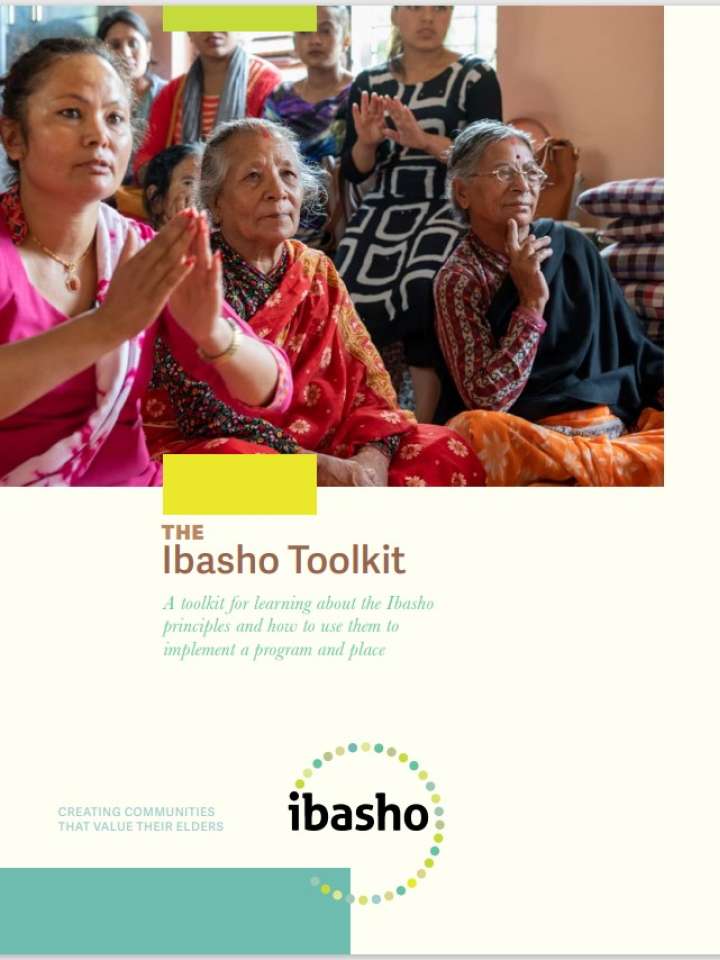
This toolkit describes the origin of IBASHO and introduces the core concepts of the approach using Ibasho project case studies from three countries.
The White Paper on Disaster Management in Japan 2017 provides an overview of current disaster management measures in Japan, including recent progress on disaster measures and policy initiatives with a particular focus on those implemented in FY2016.
The White Paper on Disaster Management in Japan 2016 provides an update on the status of disaster management measures in Japan, with a particular focus on those implemented in FY2015
The White Paper on Disaster Management in Japan 2015 provides an overview of current disaster management measures in Japan.
This report was prepared by the Fukushima Nuclear Accident Independent Investigation Commission for the National Diet of Japan. It investigates the circumstances and causes of the Fukushima nuclear power plant accident in 2011.
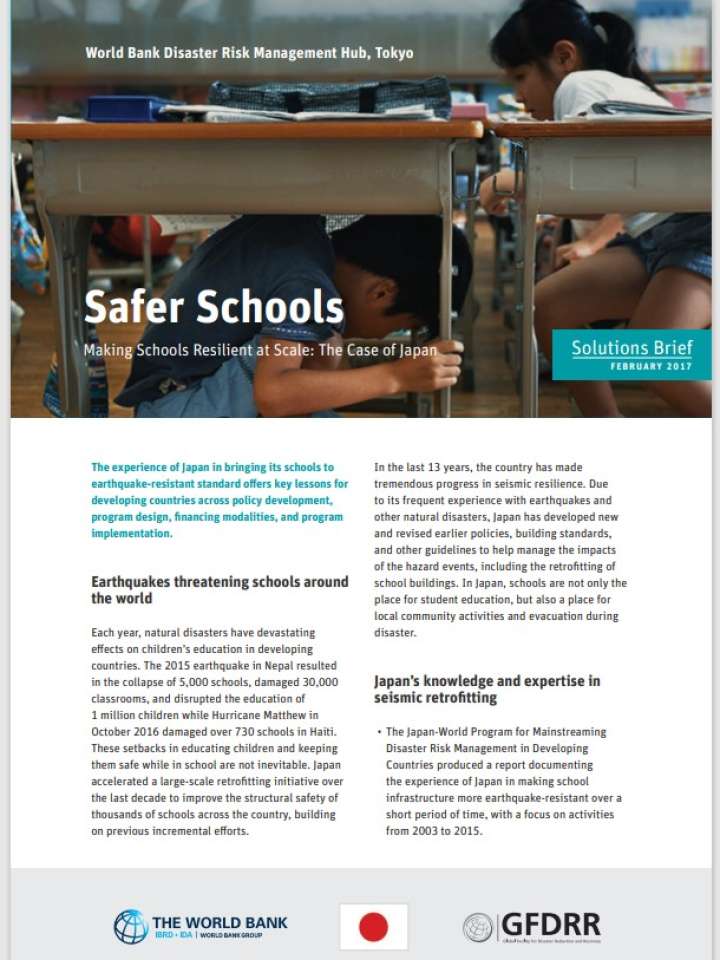
This is about the program implemented by Japan’s Ministry of Education, Culture, Sports, Science and Technology (MEXT) to improve the structural safety of thousands of schools across the country.
This summary report aims to provide a knowledge base for policy and decision makers that will allow governments and sponsor organisations to understand the fundamental operations of weather, climate, and hydrological services (together constituting “hydromet” services) and consequently target effective funding, in particular to developing countries.
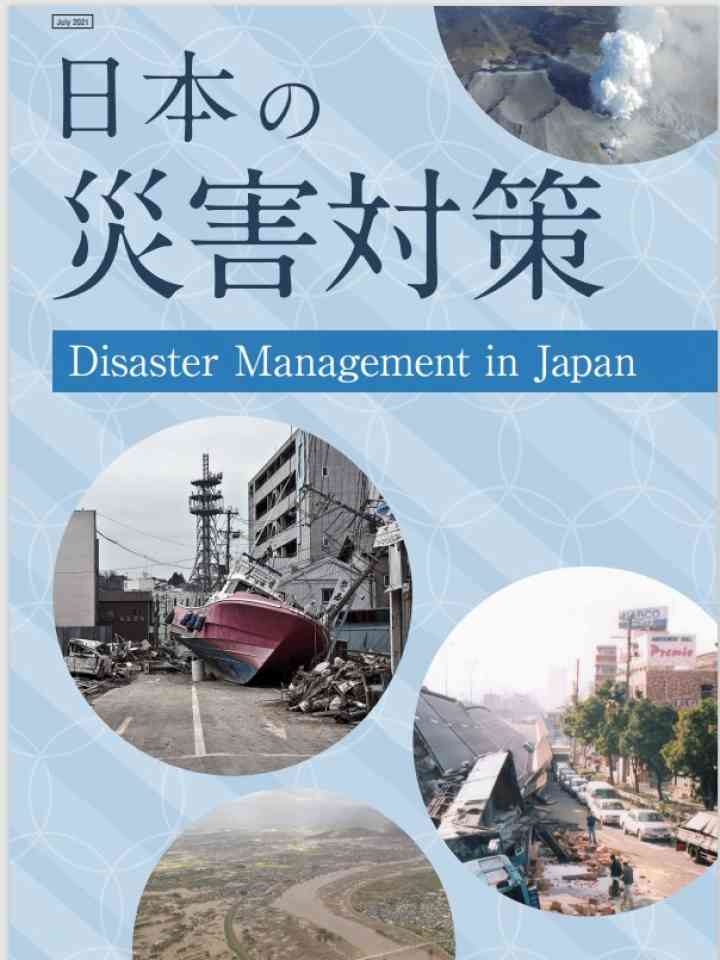
This document gives an overview of the challenges and progress made by Japan in disaster risk management (DRM). The document explains Japans disaster management system and the countermeasures taken by Japan in preventing, preparing, responding to, and recovering from disasters. It explains disaster reduction activities of citizens and draws attention to the role of awareness and disaster knowledge in the reduction of disasters. In addition, it explains the role of international cooperation in disaster reduction and specifically, in Japan's role in preventing and responding to disasters.
Voluntary Commitments
The organization has no registered commitments.
The Sendai Framework Voluntary Commitments (SFVC) online platform allows stakeholders to inform the public about their work on DRR. The SFVC online platform is a useful toolto know who is doing what and where for the implementation of the Sendai Framework, which could foster potential collaboration among stakeholders. All stakeholders (private sector, civil society organizations, academia, media, local governments, etc.) working on DRR can submit their commitments and report on their progress and deliverables.
Contact information
Fax:
+44-20 7839 4700