PreventionWeb
Menu

Save the Children International

SCI
United Kingdom of Great Britain and Northern Ireland
Non Governmental Organizations

Mission

Save the Children is the world's leading independent organization for children. Our vision is a world in which every child attains the right to survival, protection, development and participation. Our mission is to inspire breakthroughs in the way the world treats children and to achieve immediate and lasting change in their lives.

Disaster Reduction Goal

Save the Children seeks to ensure that children’s needs and capacities are considered in how people mitigate risk, prepare for, react to and recover from disasters and adapt to long-term trends. We work to make this happen at all levels by building partnerships and collaborating with children, communities, civil society, local and national governments, and regional and international organisations. Governments as primary duty bearers have the main responsibility for the implementation of the post 2015 DRR framework, and we support them in it.

Save the Children integrates risk reduction and resilience building into sector based programming “full spectrum”; meaning that it is considered in both development and humanitarian contexts. It is crucial that we reduce risk where we can. When this is not possible, it is crucial that we build resilience in high-risk areas before disaster strikes, so that the communities we work with are better able to manage the challenges during crises and recover quickly.

DRR activities
Websites

http://resourcecentre.savethechildren.se
Show more
Latest additions
Items: 38
Publication
Published on
6 November 2018
Critical factors for post-disaster educational continuity in urban floods in South and Southeast Asia
This research project investigates the critical factors for educational continuity in urban floods in South and Southeast Asia.
Publication
Published on
27 September 2016
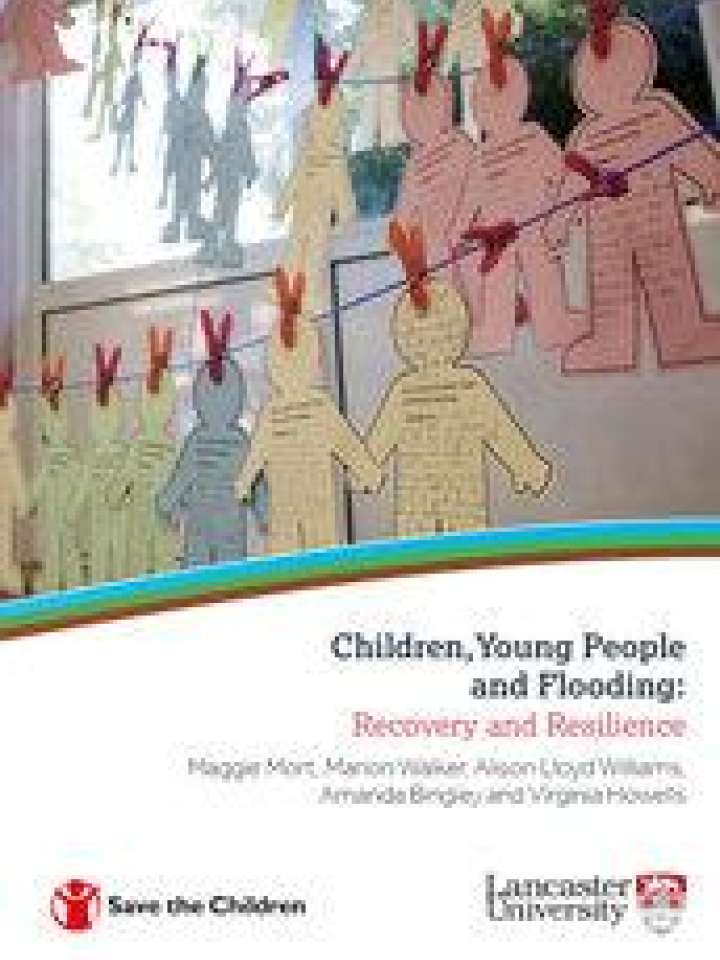
Children, young people and flooding: Recovery and resilience
This collaboration between Lancaster University and Save the Children researched children and young people’s experiences of the UK winter 2013/14 floods. The authors used creative arts methods to work with flood-affected children and communicate their ideas to policy. Children, in fact are often ignored in disaster-related planning and policy development.
Publication
Published on
26 April 2016
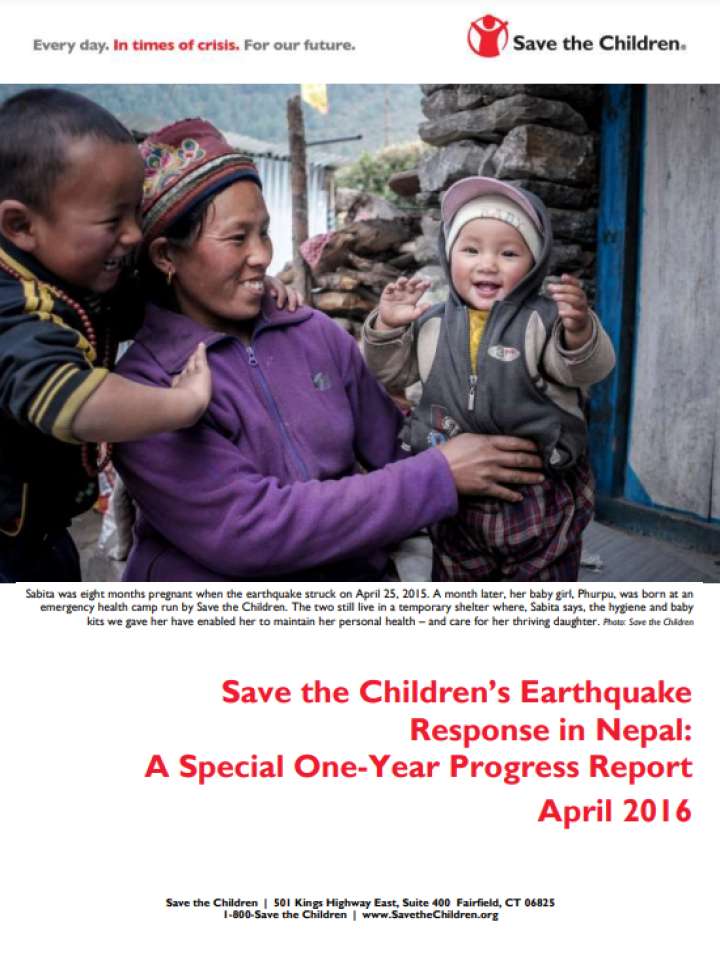
Save the Children’s earthquake response in Nepal: a special one-year progress report
This report presents the Save the Children's one-year response and recovery efforts to the 2015 Gorkha earthquake in Nepal.
Publication
Published on
30 April 2015
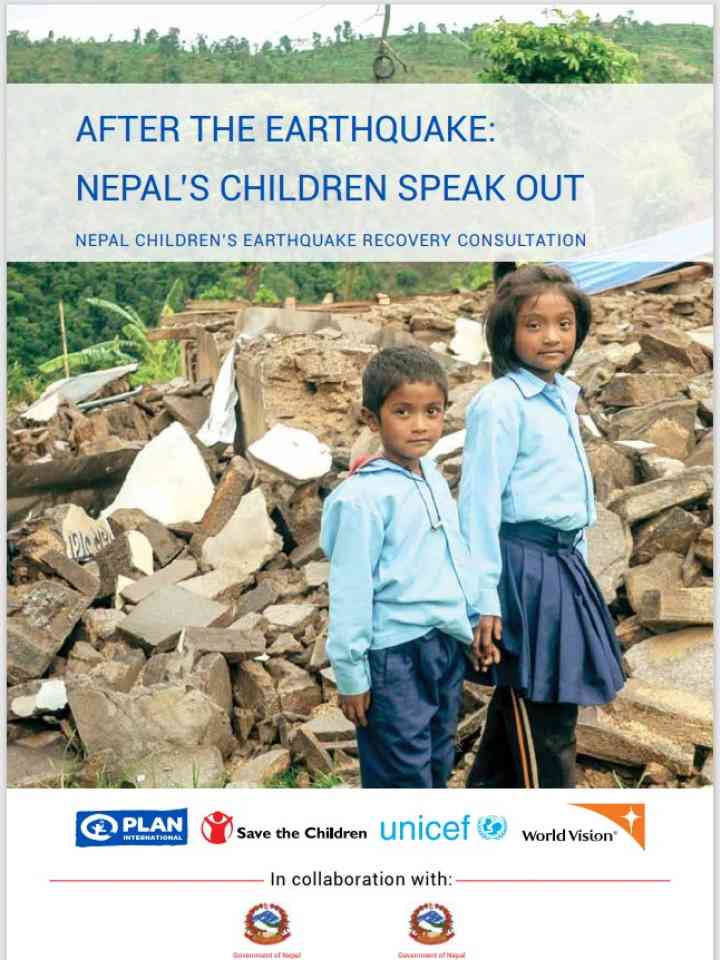
After the earthquake: Nepal’s children speak out
This report reflects the views and voices of children affected by the twin earthquakes in Nepal, who were consulted in May and June 2015.
Publication
Published on
30 April 2015
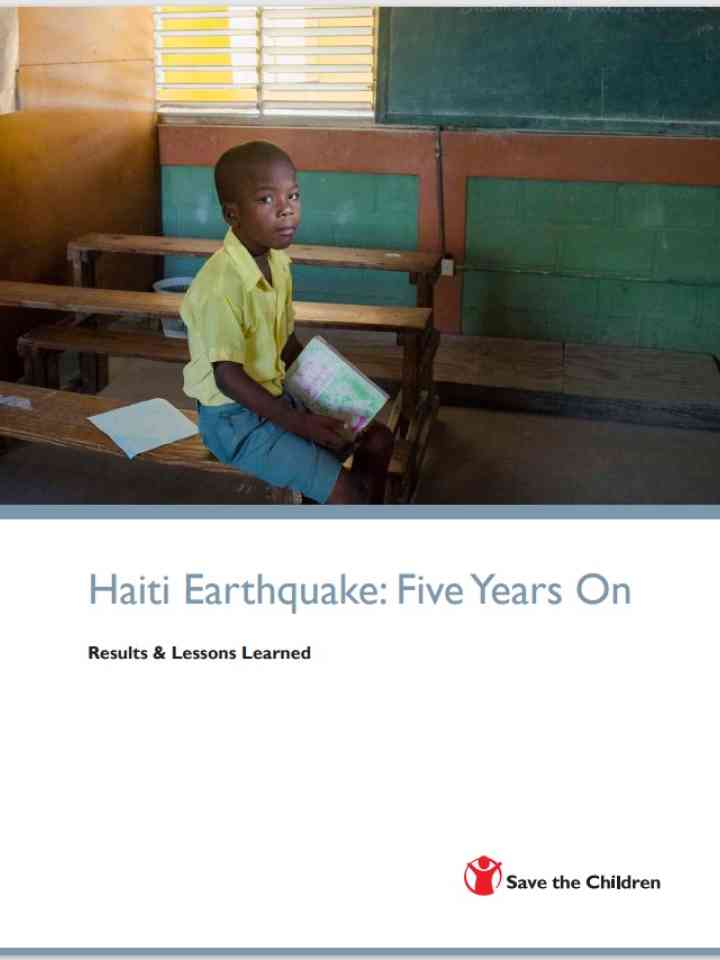
Haiti Earthquake: Five Years On
This report looks at the long road to recovery facing many Haitians, five years after the earthquake that marked a particularly tragic day in Haiti’s history on January 12th, 2010,
Publication
Published on
30 April 2015
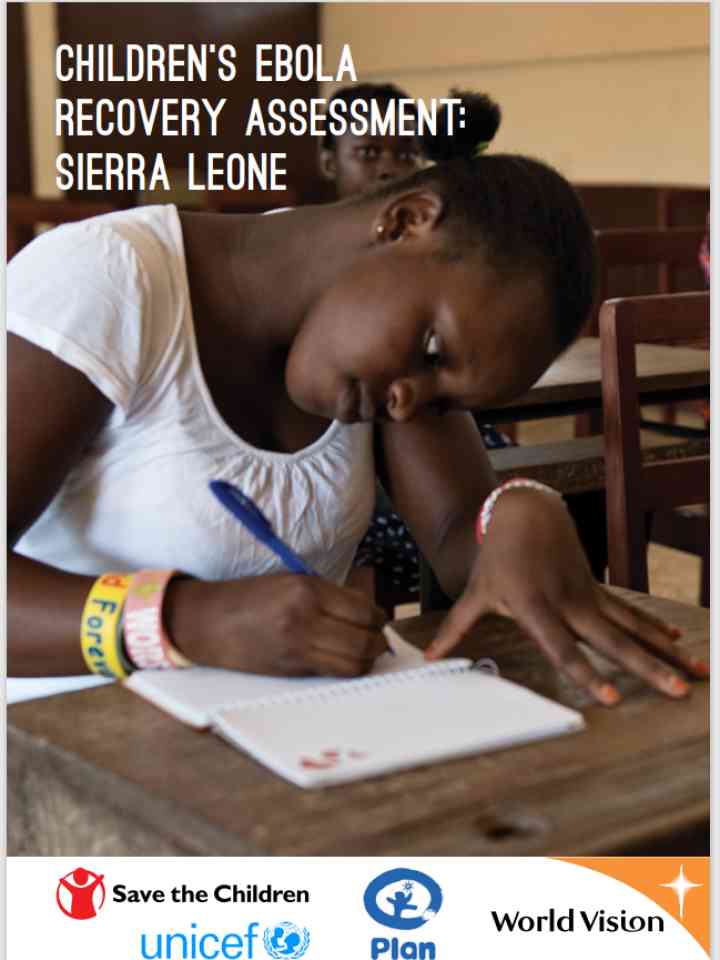
Children’s Ebola Recovery Assessment: Sierra Leone
In mid-March 2015, a Children's Ebola Recovery Assessment (CERA) conducted in Sierra Leone to create a mechanism, to discuss issues of concern and to formulate their recommendations for recovery.
Publication
Published on
30 December 2014
Tsunami ten years on, stories of change: 2004–2014 - Community perceptions of the Indian Ocean tsunami response and recovery
The objective of this study is to analyse the strengths, weaknesses, sustainability and impact of the 26th of December 2004 tsunami response in 2 countries, Sri Lanka and Indonesia (Aceh Province). Cutting across these themes is an assessment of whether communities are now better prepared to respond to and cope with disaster.
Publication
Published on
30 November 2014
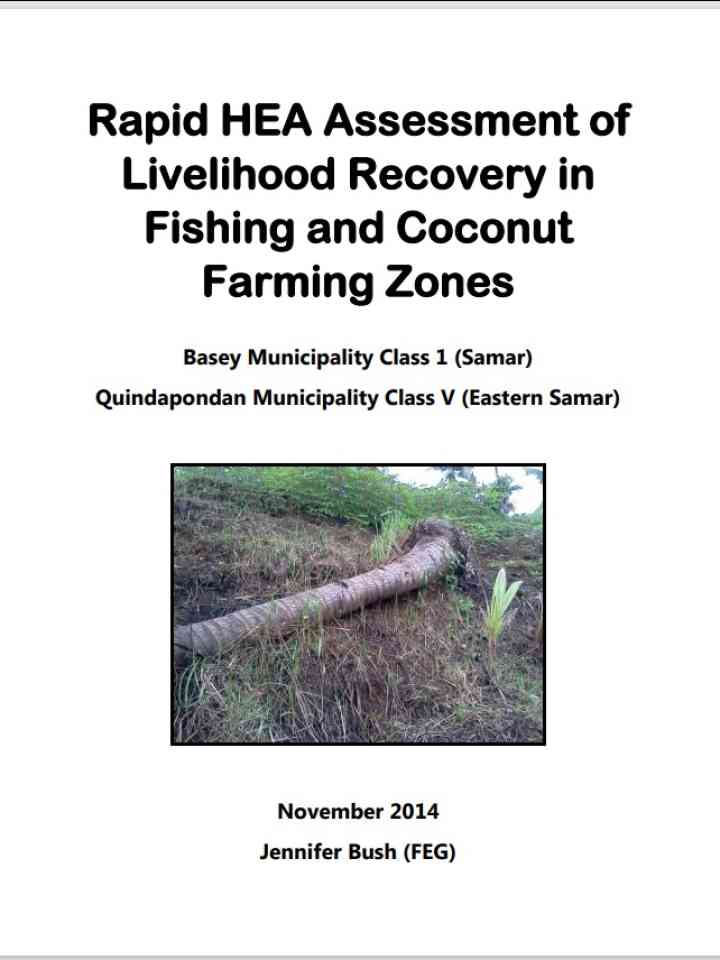
Rapid HEA Assessment of Livelihood Recovery in Fishing and Coconut Farming Zones
This is a Household Economic Approach (HEA) to explore and evaluate livelihood recovery in fishing and coconut farming sones in the Philippines following the devastating effects of Typhoon Yolanda.

Pagination

  • Previous page ‹ Previous
  • Page 1
  • Current page 2
  • Page 3
  • Page 4
  • Page 5
  • Next page Next ›

More content for this organization may be available on PreventionWeb or on the site search.

Voluntary Commitments

The organization has no registered commitments.

The Sendai Framework Voluntary Commitments (SFVC) online platform allows stakeholders to inform the public about their work on DRR. The SFVC online platform is a useful toolto know who is doing what and where for the implementation of the Sendai Framework, which could foster potential collaboration among stakeholders. All stakeholders (private sector, civil society organizations, academia, media, local governments, etc.) working on DRR can submit their commitments and report on their progress and deliverables.

Contact information

http://www.savethechildren.net
[email protected]
+258-1 31 30 26
Fax:
+258-1 31 30 26

Is this page useful?

Yes No
Report an issue on this page

Thank you. If you have 2 minutes, we would benefit from additional feedback (link opens in a new window).

The International Recovery Platform (IRP) is a global partnership working to strengthen knowledge, and share experiences and lessons on building back better in recovery, rehabilitation, and reconstruction.

Latest IRP videos and photos: YouTube Flickr Contact IRP

Loading