This paper quantifies the short-run economic impact of 21 Atlantic hurricanes on U.S. local business activity from 2017 to 2024 using anonymized Mastercard transaction data aggregated by ZIP code.
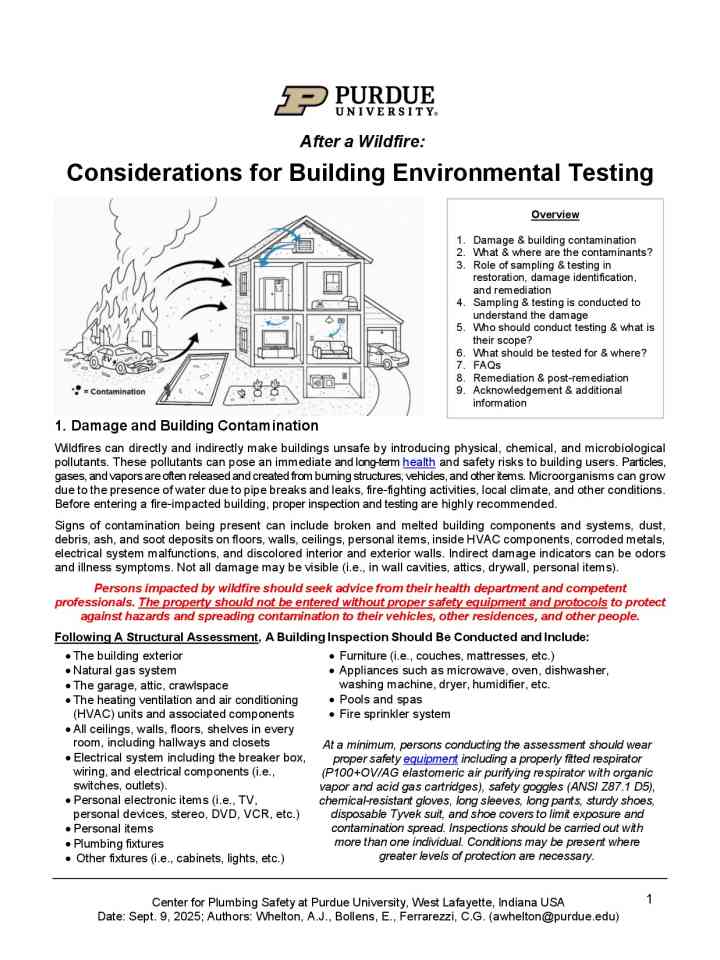
This resource, made accessible for property owners and health officials, is designed to help people better understand and resolve building safety questions in recovery after wildfires.
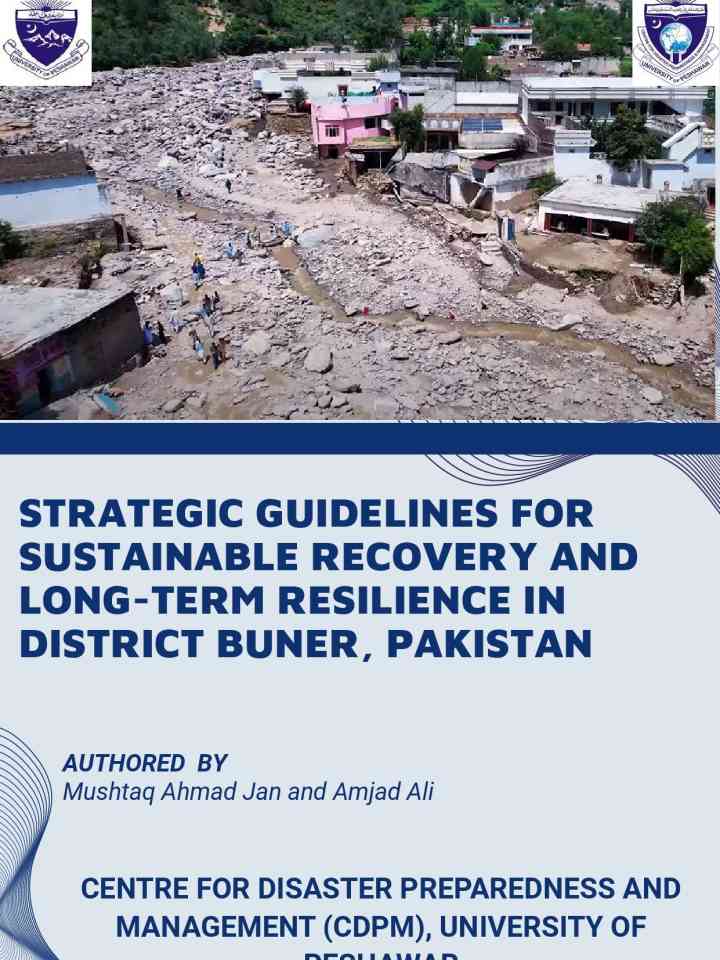
This report presents strategic guidelines for developing a comprehensive recovery framework through three core principles: people-centered and rights-based approach, "build back better and smarter", a multi-sectoral and synergistic approach.
This report presents findings from IOM’s September 2025 multi-sectoral community needs assessment, following the 2023 earthquakes, highlighting persistent vulnerabilities in water access, livelihoods, shelter, health, and humanitarian assistance.
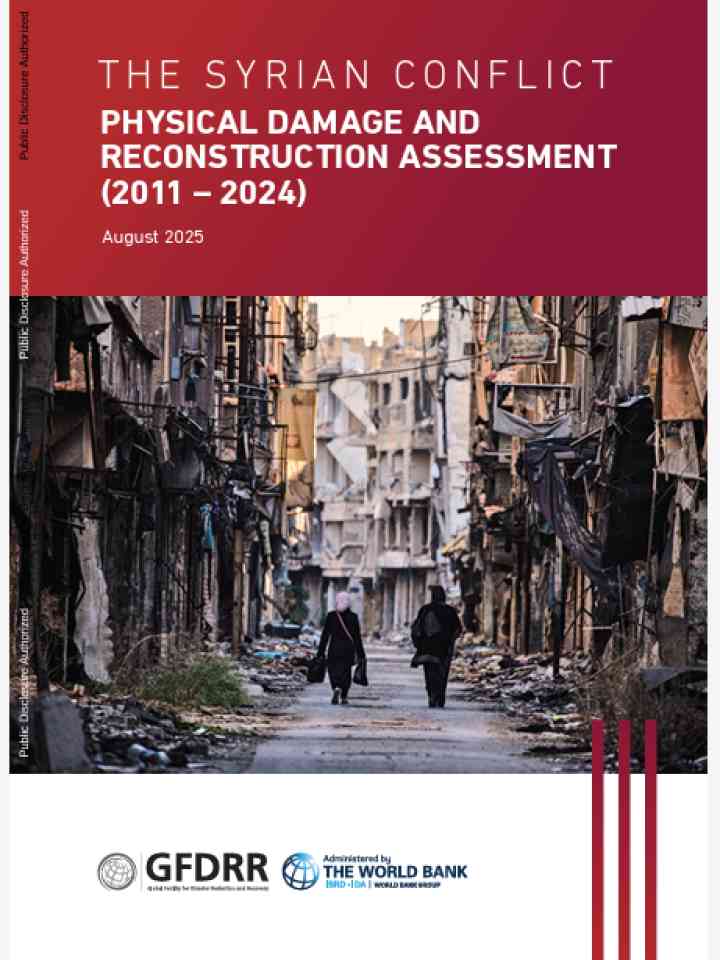
This report presents the results of a rapid damage and reconstruction assessment, conducted by the World Bank, related to the impacts of the 2011–24 conflict in Syria.
World Bank, the
Global Facility for Disaster Reduction and Recovery, the (GFDRR)
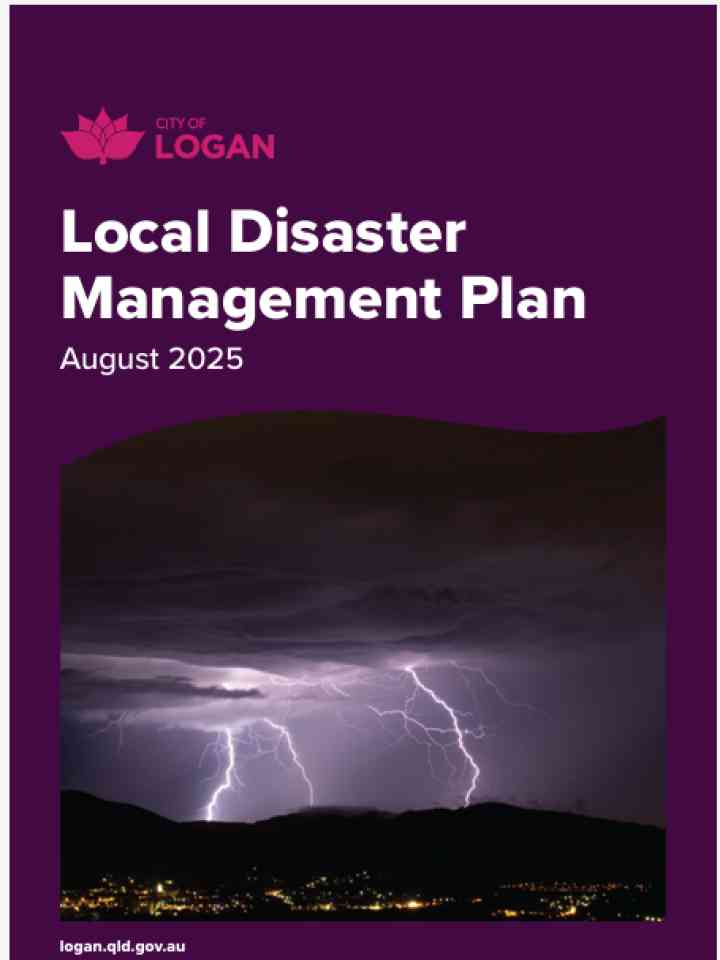
This plan outlines the arrangements for disaster prevention, preparedness, response, and recovery within the local City of Logan government area, applying an all-hazards, multi-agency approach to strengthen community resilience.
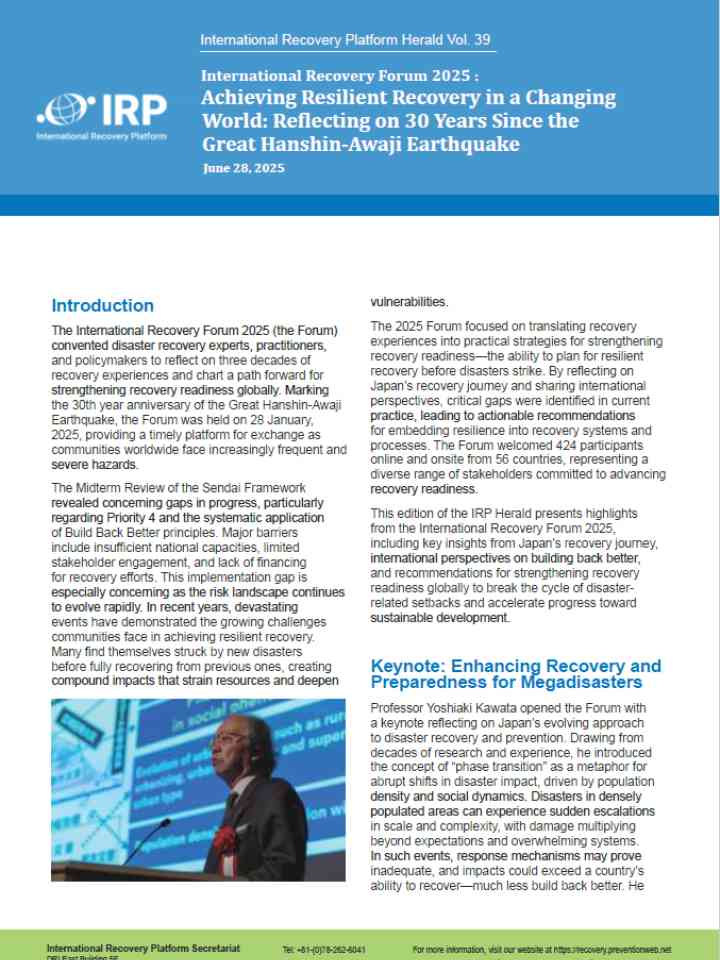
IRP Herald Volume 39 is the knowledge report for the International Recovery Forum 2025: Achieving Resilient Recovery in a Changing World: Reflecting on 30 Years Since the Great Hanshin-Awaji Earthquake
The paper analyzes how recovery from consecutive disasters can either weaken or strengthen societal resilience, emphasizing the need for long-term, multi-hazard recovery planning.
Institute for Environmental Studies
Potsdam Institute for Climate Impact Research
ETH Zurich
Swiss Federal Office of Meteorology and Climatology (MeteoSwiss)