The aim of the DRP is to detail the emergency recovery arrangements for the Territory of Christmas Island. It is designed to guide key agencies and individuals in responding to a variety of emergencies throughout the Territory.
On 6 February 2023, the 7.7 and 7.6 earthquakes centered in Türkiye. A needs analysis study has been conducted with the objective of making a comprehensive determination of the needs in the disaster area.
International Blue Crescent Relief and Development Foundation
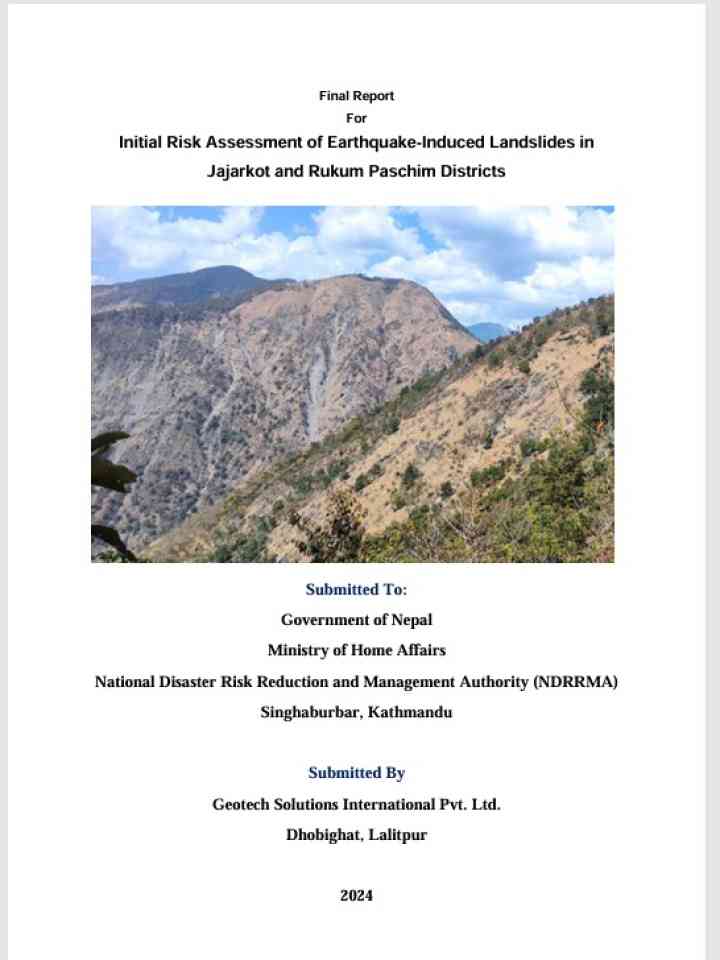
This report provides an overview of the scope and objectives of an initial risk assessment, highlighting the significance of early detection and mitigation strategies in reducing the potential impact of earthquake-induced landslides.
This study examines the economic challenges faced by the Larkana due to flooding, highlighting the importance of government intervention, community resilience, and strategic rehabilitation efforts to ensure equitable recovery and sustainable development.
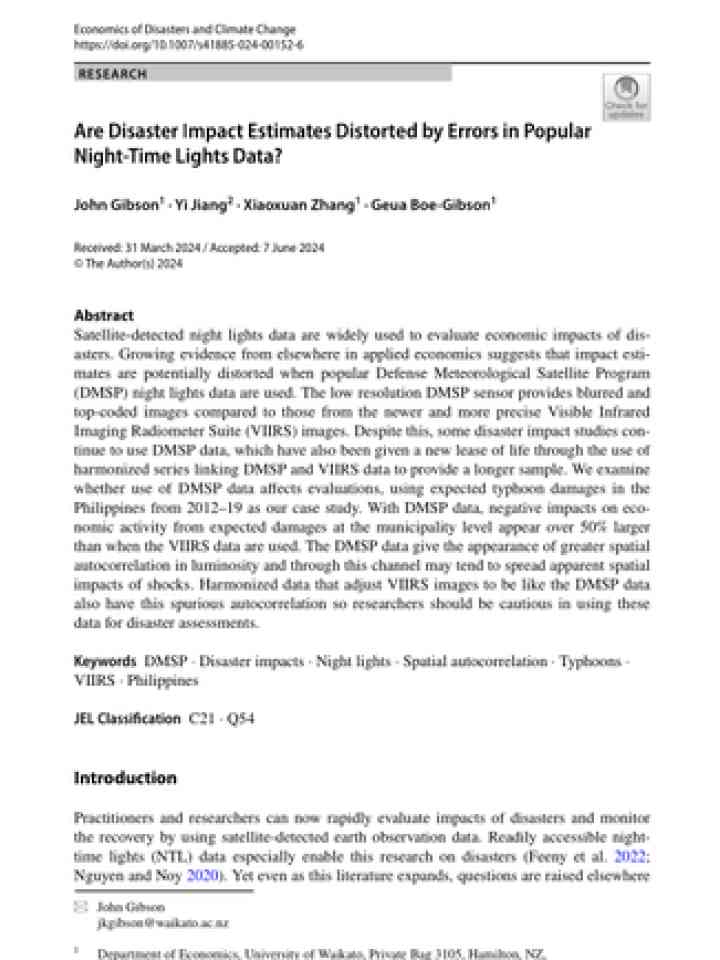
Satellite-detected night lights data are widely used to evaluate economic impacts of disasters. But growing evidence in applied economics suggests that impact estimates are potentially distorted when popular DMSP night lights data are used.
Economics of Disasters and Climate Change (Springer)
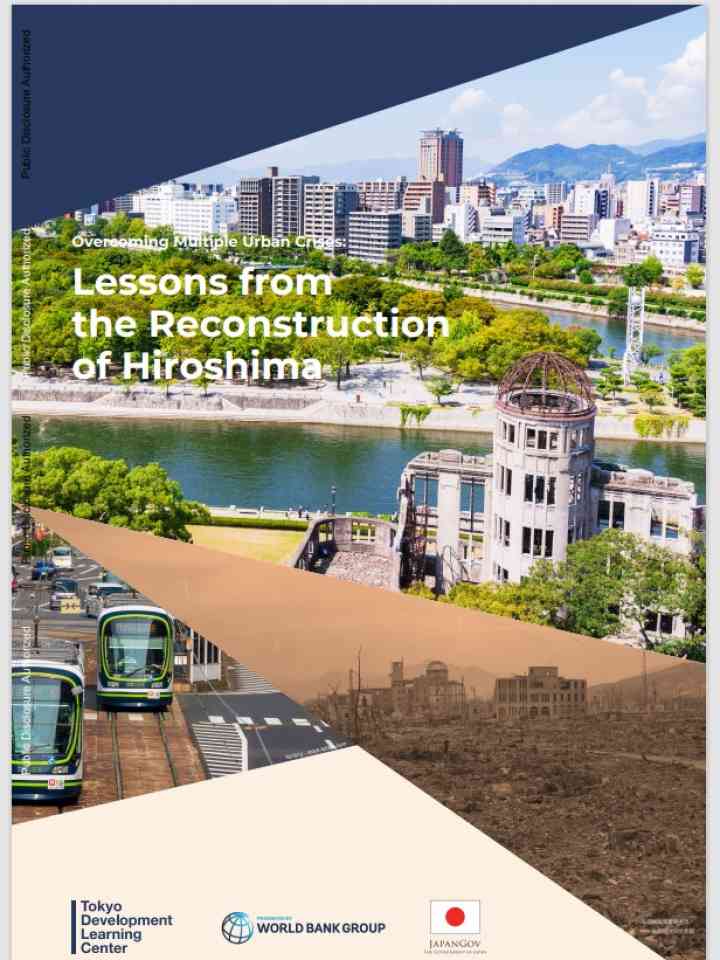
This report examines multiple urban crises and their responses, using Hiroshima, which suffered tremendous damage from the atomic bombing at the end of World War II, as a case study.
The study analysed existing flood control projects across Asia, focusing on their contributions to regional flood resilience. The researchers examined flood resilience indicators used and evaluated their strengths and limitations.
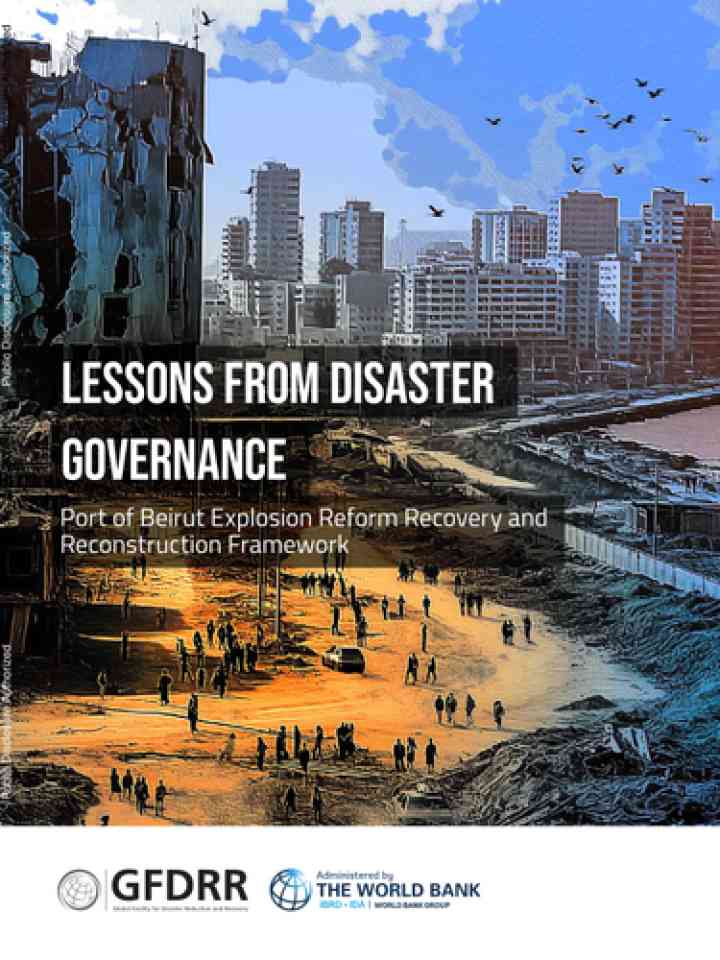
This case study aims to present the lessons learned from Lebanon’s Reform, Recovery and Reconstruction Framework (3RF) as an example of developing post-disaster recovery governance structures in a context of FCV, specifically under compounded crises.