PreventionWeb
Menu

European Union

EU
Regional Intergovernmental Organizations

Mission

The EU was set through the process of European integration launched on 9 May 1950 when France officially proposed to create “the first concrete foundation of a European federation.” Six countries (Belgium, Germany, France, Italy, Luxembourg and the Netherlands) joined from the very beginning. Today, after four waves of accessions (1973: Denmark, Ireland and the United Kingdom; 1981: Greece; 1986: Spain and Portugal; 1995: Austria, Finland and Sweden), the EU has 15 Member States and is preparing for the accession of other eastern and southern European countries. Its main agencies are: European Parliament, Council of the Union, European Commission, Court of Justice, Court of Auditors, European Central Bank, European Economic and Social Committee, Committee of the Regions, European Investment Bank, European Ombudsman.

Show more
Latest additions
Items: 71
Publication
Published on
5 July 2010
Building back better for next time
This document reports on an initiative which objective is to build the resilience of communities and nations to disasters by strengthening national and local institutions, mechanisms and capacities for disaster risk reduction.
Publication
Published on
6 December 2009
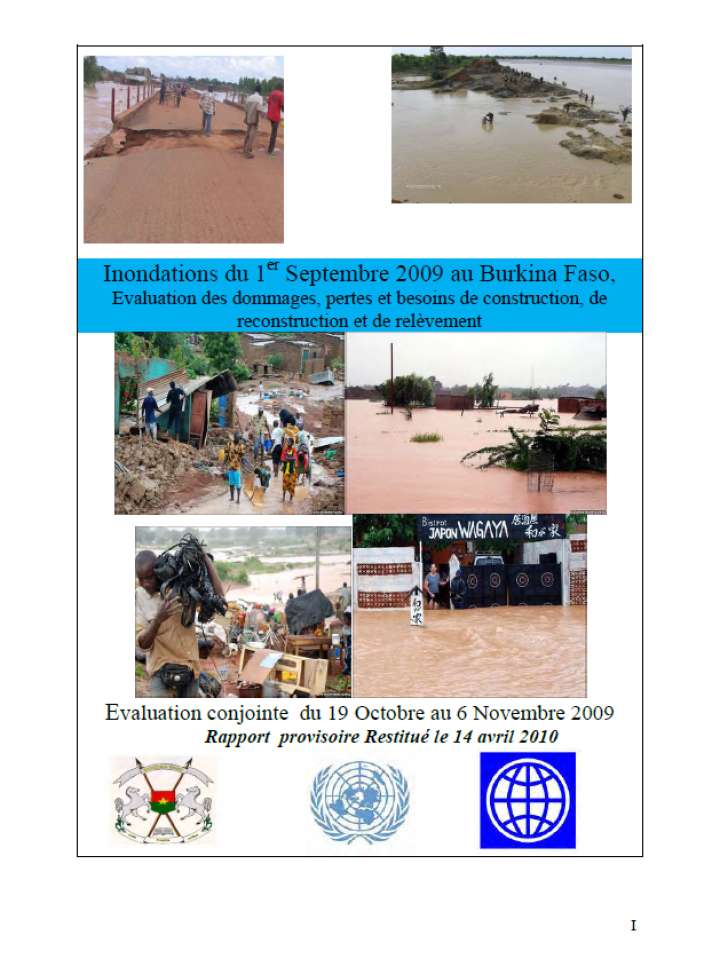
2009 Floods in Burkina Faso - Assessment of damage, losses, reconstruction and recovery needs
This post-disaster needs assessment provides estimates of the damages and losses, and the costs for reconstruction and recovery following the 2009 floods in Burkina Faso. 
Publication
Published on
6 December 2009
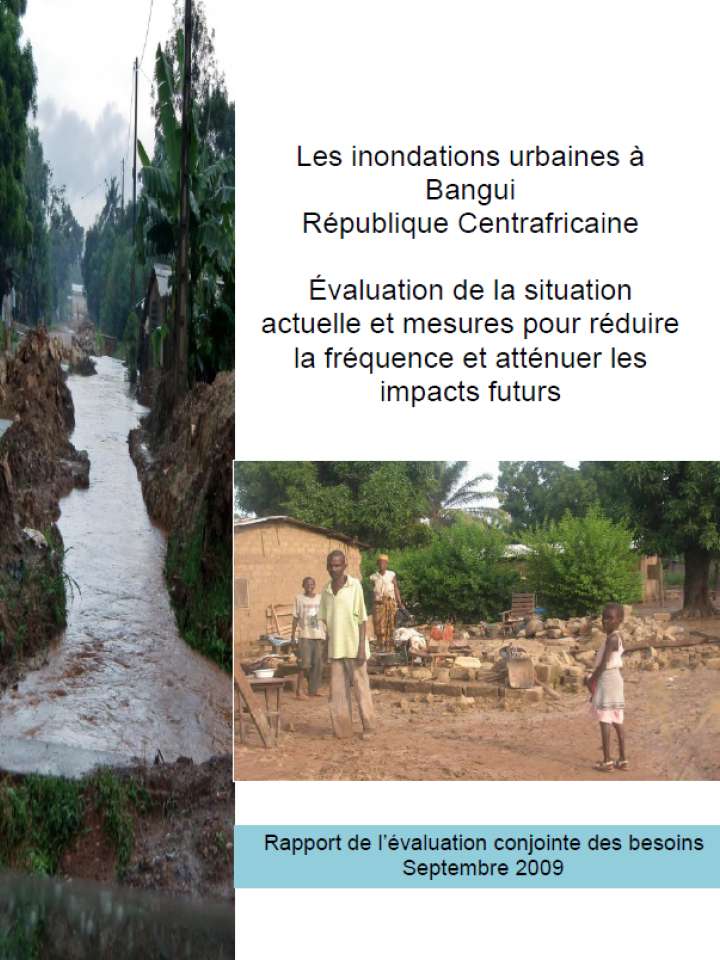
Urban flooding in Bangui, Central African Republic - Joint Needs Assessment to assess and mitigate the impacts of recurrent flooding
This joint needs assessment report provides estimates of the impacts and costs of reconstruction and recovery in Central African Republic following the 2009 floods in Bangui.
Publication
Published on
6 December 2009
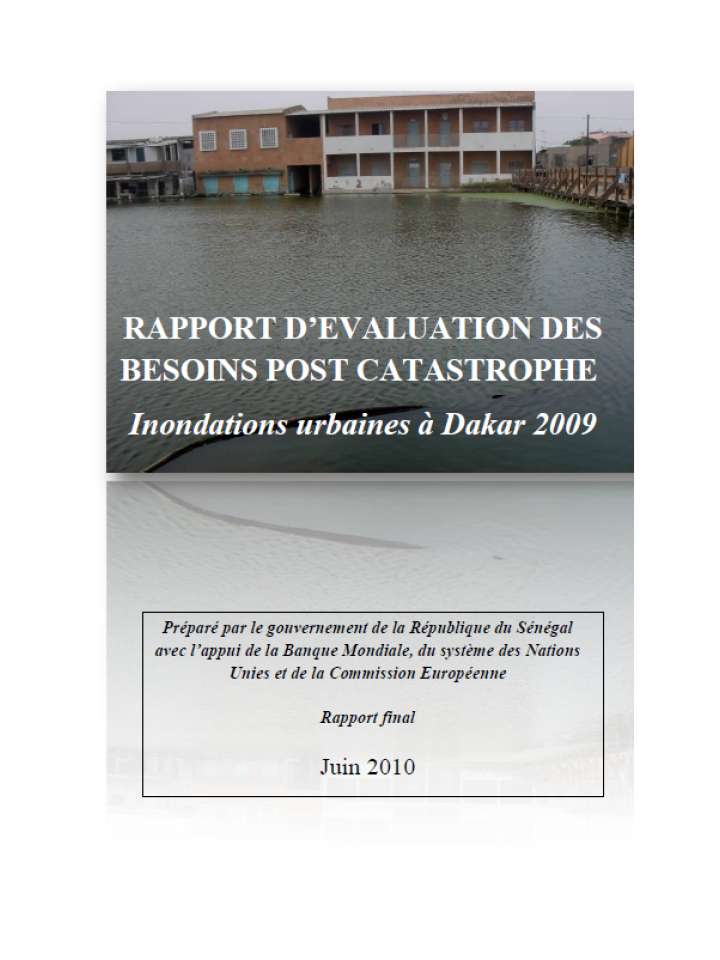
Post Disaster Needs Assessment - Urban floods in Dakar, Senegal 2009
This post-disaster needs assessment estimates the costs of recovery and reconstruction resulting from the impacts of the August 2009 floods in Dakar, Sengal.
Publication
Published on
26 November 2009
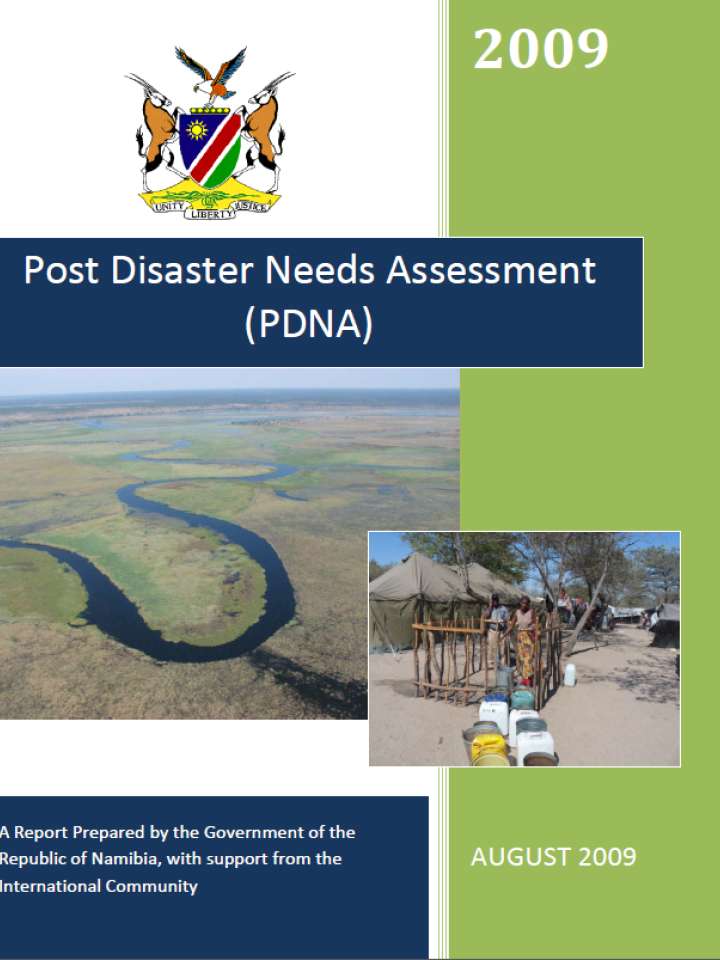
Namibia 2009 Floods Post Disaster Needs Assessment
This Post Disaster Needs Assessment (PDNA) assesses damage and losses incurred as a result of 2009 floods, and provides an assessment of recovery and reconstruction options that could provide resilience to future events such as droughts and floods.
Publication
Published on
20 May 2009
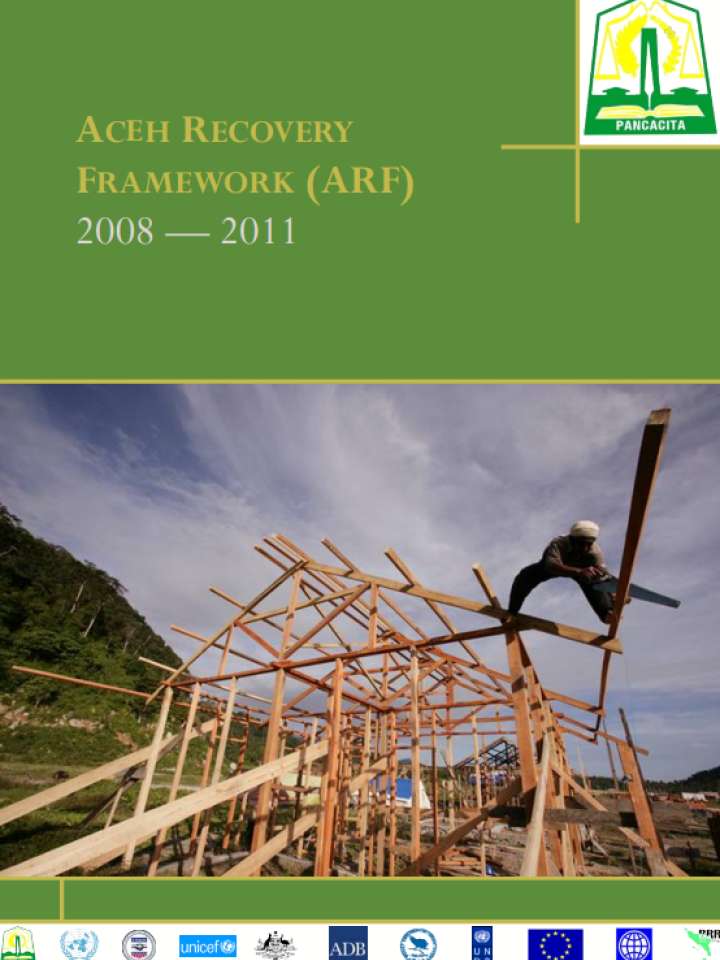
Aceh recovery framework (ARF) 2008-2011
This document presents the major challenges in Aceh’s transition and governmental priorities, benchmarks and outcomes in virtually every sector of peace building, recovery and development activity in the aftermath of the 2004 earthquake and tsunami.
Publication
Published on
25 November 2008
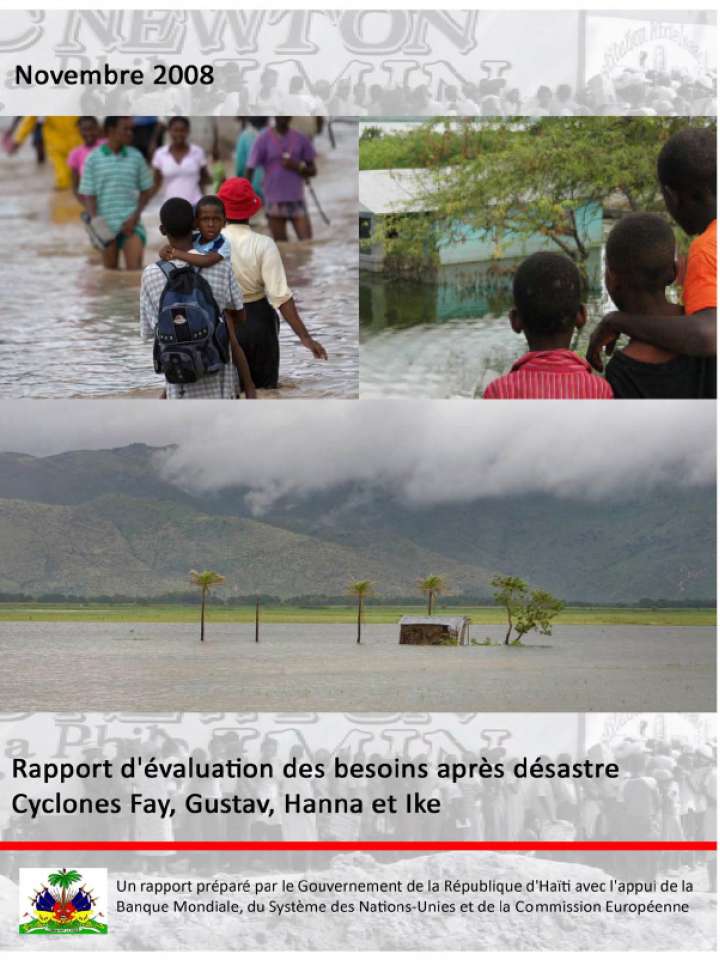
Hurricanes Fay, Gustav, Hanna, and Ike 2008 Haiti Post Disaster Needs Assessment
This Post Disaster Needs Assessment estimates the total damages and identifies immediate needs for rehabilitation and reconstruction in Haiti following the 2008 storms Gustav, Hanna, Ike and Fay.

Pagination

  • Previous page ‹ Previous
  • Page 1
  • Page 2
  • Page 3
  • Page 4
  • Page 5
  • Page 6
  • Page 7
  • Page 8
  • Current page 9
  • Next page Next ›

More content for this organization may be available on PreventionWeb or on the site search.

Voluntary Commitments

The organization has no registered commitments.

The Sendai Framework Voluntary Commitments (SFVC) online platform allows stakeholders to inform the public about their work on DRR. The SFVC online platform is a useful toolto know who is doing what and where for the implementation of the Sendai Framework, which could foster potential collaboration among stakeholders. All stakeholders (private sector, civil society organizations, academia, media, local governments, etc.) working on DRR can submit their commitments and report on their progress and deliverables.

Contact information

[email protected]

Is this page useful?

Yes No
Report an issue on this page

Thank you. If you have 2 minutes, we would benefit from additional feedback (link opens in a new window).

The International Recovery Platform (IRP) is a global partnership working to strengthen knowledge, and share experiences and lessons on building back better in recovery, rehabilitation, and reconstruction.

Latest IRP videos and photos: YouTube Flickr Contact IRP

Loading