PreventionWeb
Menu

European Union

EU
Regional Intergovernmental Organizations

Mission

The EU was set through the process of European integration launched on 9 May 1950 when France officially proposed to create “the first concrete foundation of a European federation.” Six countries (Belgium, Germany, France, Italy, Luxembourg and the Netherlands) joined from the very beginning. Today, after four waves of accessions (1973: Denmark, Ireland and the United Kingdom; 1981: Greece; 1986: Spain and Portugal; 1995: Austria, Finland and Sweden), the EU has 15 Member States and is preparing for the accession of other eastern and southern European countries. Its main agencies are: European Parliament, Council of the Union, European Commission, Court of Justice, Court of Auditors, European Central Bank, European Economic and Social Committee, Committee of the Regions, European Investment Bank, European Ombudsman.
Show more
Latest additions
Items: 71
Publication
Published on
1 janvier 2020
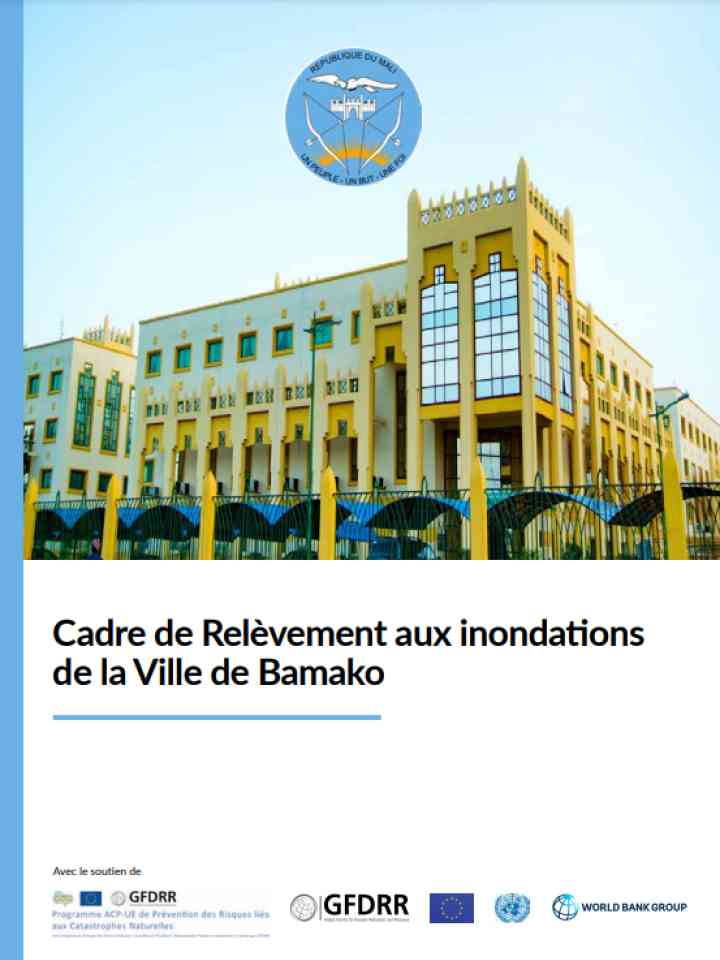
Cadre de relèvement aux inondations de la Ville de Bamako
Le cadre de relèvement post-inondation de Bamako vise à faciliter l’opérationnalisation de la stratégie de relèvement post-catastrophe définie lors de l’évaluation rapide des dommages, des pertes et des besoins de relèvement aux inondations.
Publication
Published on
1 juillet 2019
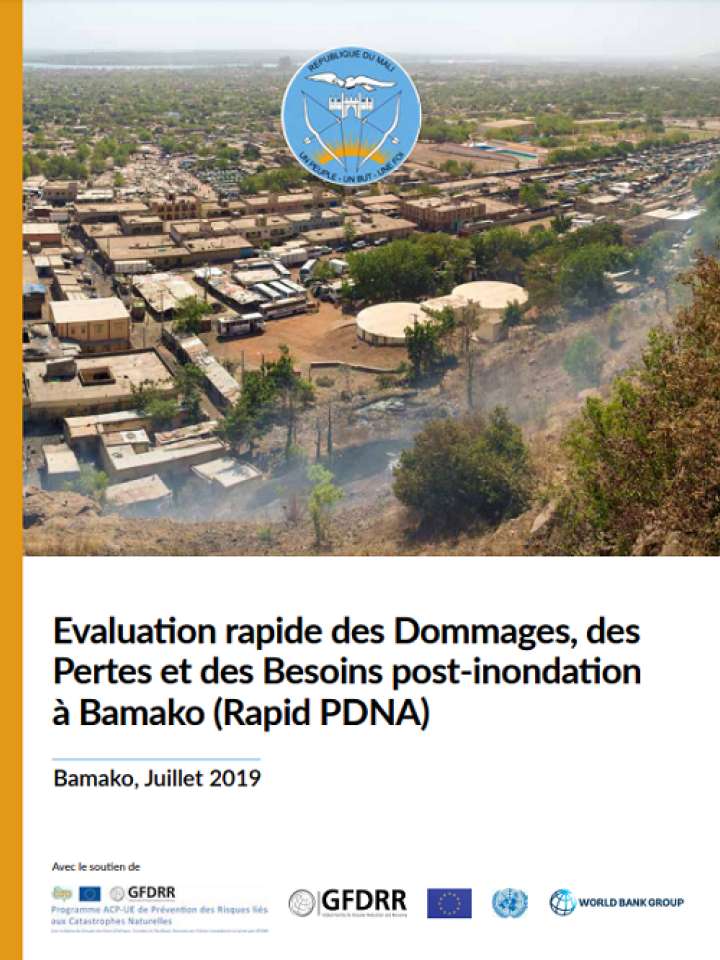
Evaluation rapide des Dommages, des Pertes et des Besoins post-inondation à Bamako (Rapid PDNA)
L'evaluation rapide present décrit le contexte national et local, les résultats des évaluations sectorielles des dommages et des pertes, à l’identification des besoins et la formulation d’une stratégie de relèvement dans les secteurs et communes évalués.
Publication
Published on
24 May 2019
Guidelines for assessing the human impact of disasters
This document, Guidelines for Assessing the Human Impact of Disasters, has been developed as part of the PDNA guidelines, and similarly follows a people-centred, human-recovery approach.
Publication
Published on
19 May 2019
Ecosystem-based Recovery: The Case of the 2018 Kerala Floods
The 2018 Kerala floods highlighted the need for ecosystem-based recovery, risk-informed land use planning, inclusive disaster response, and leveraging youth and technology to build resilience against future climate-induced hazards. ​
Publication
Published on
14 May 2019
PDNA guidance: Integrating conflict sensitivity
This guide explains how to conduct a PDNA in Conflict Situations, and complements existing guidelines developed by the tripartite partnership to support post-disaster needs assessments and recovery planning.
Publication
Published on
30 June 2018
Somalia Recovery and Resilience Framework
The Somalia Recovery and Resilience Framework (RRF) is a strategic initiative that supports Somalia’s journey from early drought recovery to long-term resilience and disaster preparedness.
Publication
Published on
15 April 2018
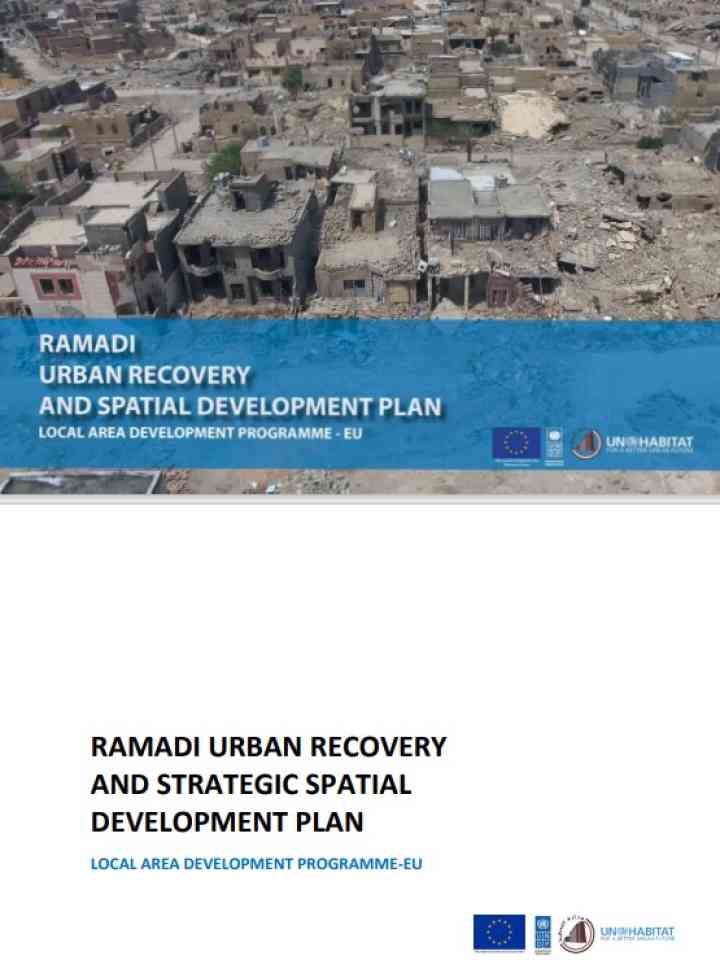
Ramadi Urban Recovery and Spatial Development Plan
The Local Area Development Programme (LADP) was designed to address the main issues that hinder planning at the local level, the implementation of plans and related delivery of service to citizens of Iraq.
Publication
Published on
12 December 2017
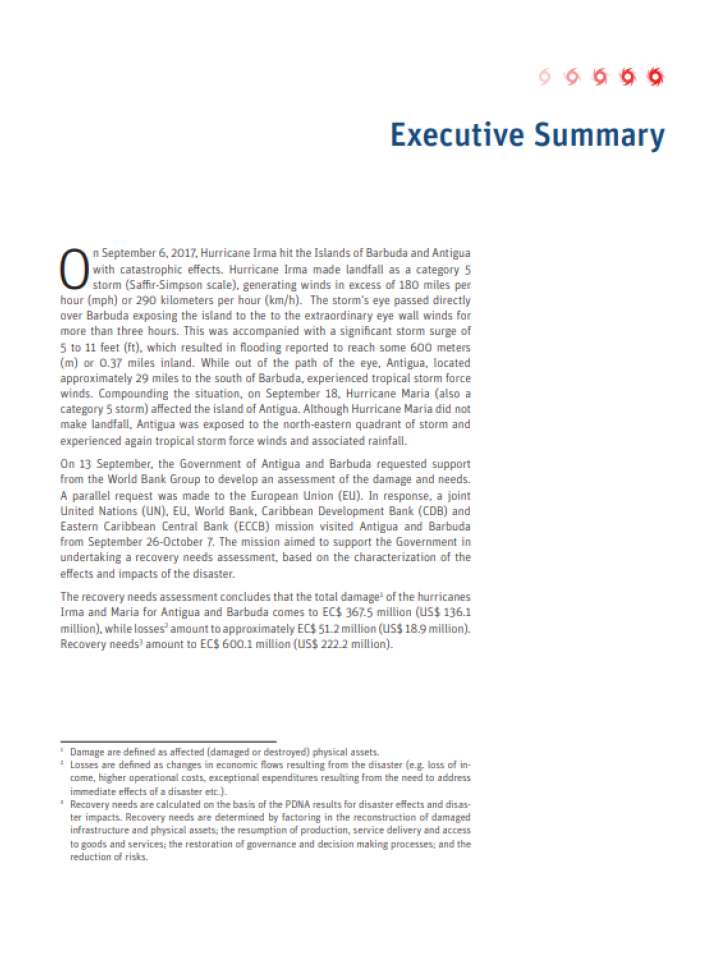
Hurricane Irma and Maria Recovery Needs Assessment for Antigua and Barbuda
The PDNA report covers the damage, losses, and recovery needs following hurricanes Irma and Maria, which impacted Barbuda and Antigua in 2017. A recovery strategy and summary of identified priority actions for recovery is included in the report.

Pagination

  • Previous page ‹ Previous
  • Page 1
  • Page 2
  • Page 3
  • Current page 4
  • Page 5
  • Page 6
  • Page 7
  • Page 8
  • Page 9
  • Next page Next ›

More content for this organization may be available on PreventionWeb or on the site search.

Voluntary Commitments

The organization has no registered commitments.

The Sendai Framework Voluntary Commitments (SFVC) online platform allows stakeholders to inform the public about their work on DRR. The SFVC online platform is a useful toolto know who is doing what and where for the implementation of the Sendai Framework, which could foster potential collaboration among stakeholders. All stakeholders (private sector, civil society organizations, academia, media, local governments, etc.) working on DRR can submit their commitments and report on their progress and deliverables.

Contact information

[email protected]

Is this page useful?

Yes No
Report an issue on this page

Thank you. If you have 2 minutes, we would benefit from additional feedback (link opens in a new window).

The International Recovery Platform (IRP) is a global partnership working to strengthen knowledge, and share experiences and lessons on building back better in recovery, rehabilitation, and reconstruction.

Latest IRP videos and photos: YouTube Flickr Contact IRP

Loading