PreventionWeb
Menu

European Union

EU
Regional Intergovernmental Organizations

Mission

The EU was set through the process of European integration launched on 9 May 1950 when France officially proposed to create “the first concrete foundation of a European federation.” Six countries (Belgium, Germany, France, Italy, Luxembourg and the Netherlands) joined from the very beginning. Today, after four waves of accessions (1973: Denmark, Ireland and the United Kingdom; 1981: Greece; 1986: Spain and Portugal; 1995: Austria, Finland and Sweden), the EU has 15 Member States and is preparing for the accession of other eastern and southern European countries. Its main agencies are: European Parliament, Council of the Union, European Commission, Court of Justice, Court of Auditors, European Central Bank, European Economic and Social Committee, Committee of the Regions, European Investment Bank, European Ombudsman.
Show more
Latest additions
Items: 71
Publication
Published on
1 January 2014
Post-disaster needs assessments guidelines: Volume B - Health
This document provides guidance to national and international stakeholders involved in the health sector during Post Disaster Needs Assessments (PDNA) processes and recovery planning.
Training event
In person
23 October 2013 - 25 October 2013
Beirut
Workshop on disaster recovery planning
The International Recovery Platform (IRP) facilitated a Workshop on Disaster Recovery Planning in Lebanon from 23-25 October 2013.
Publication
Published on
1 January 2013
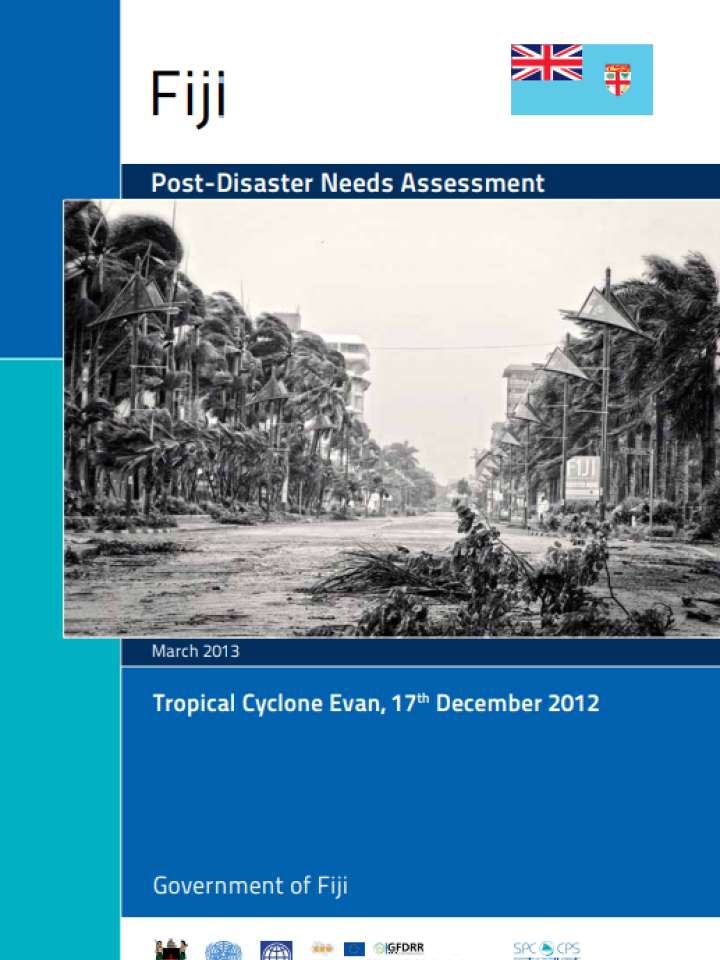
Fiji Post-Disaster Needs Assessment Tropical Cyclone Evan
This PDNA takes stock of physical damage to property, infrastructure, and productive assets as well as to account for losses resulting from the disruption of economic flows brought on by the 2012 Tropical Cyclone Evan.
Publication
Published on
2 November 2012
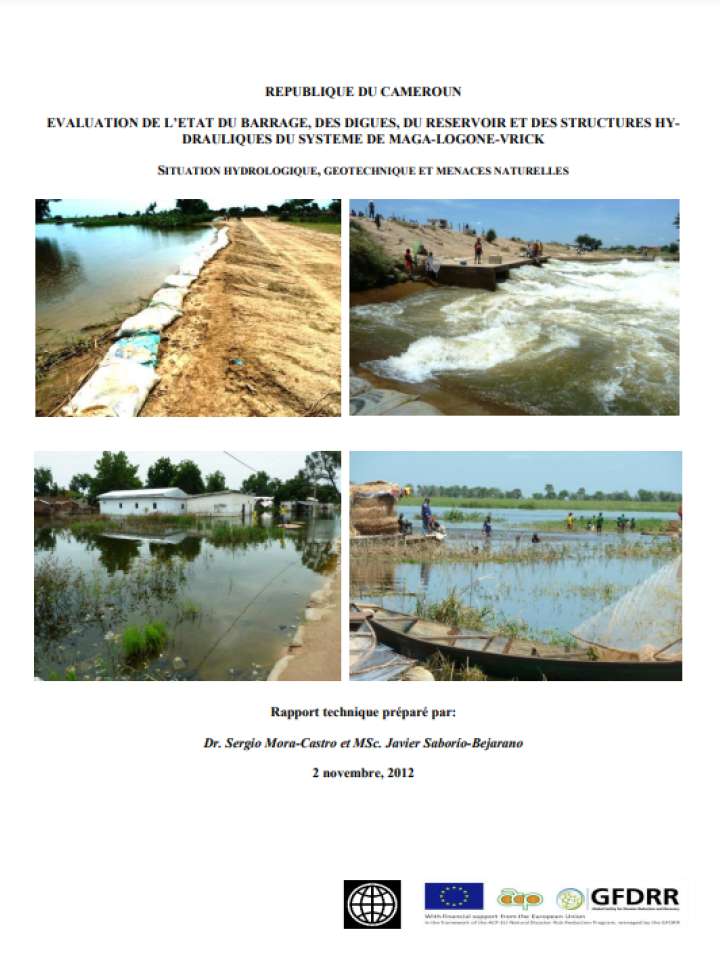
Post-Disaster Needs Assessment of 2012 Floods in Cameroon
This post-disaster needs assessment presents the damage caused by the 2012 floods in Cameroon and identifies and offers preliminary recommendations and short-and long-term recovery measures.
Training event
In person
05 September 2012 - 07 September 2012
Suva
Workshop on disaster recovery planning
The workshop is a national level training course that lasts for three days. The training will empower participants to draw upon global best practices for recovery and reconstruction. Each workshop can engage up to 40 participants.
Publication
Published on
12 December 2011
Post-Disaster Needs Assessment of Drought in Djibouti (PDNA)
The objective of the assessment was to highlight on the one hand the damage and losses caused by the drought in Djibouti but also and above all to identify the needs to deal with the consequences and find an environment close to the condition before 2008.
Publication
Published on
14 December 2010
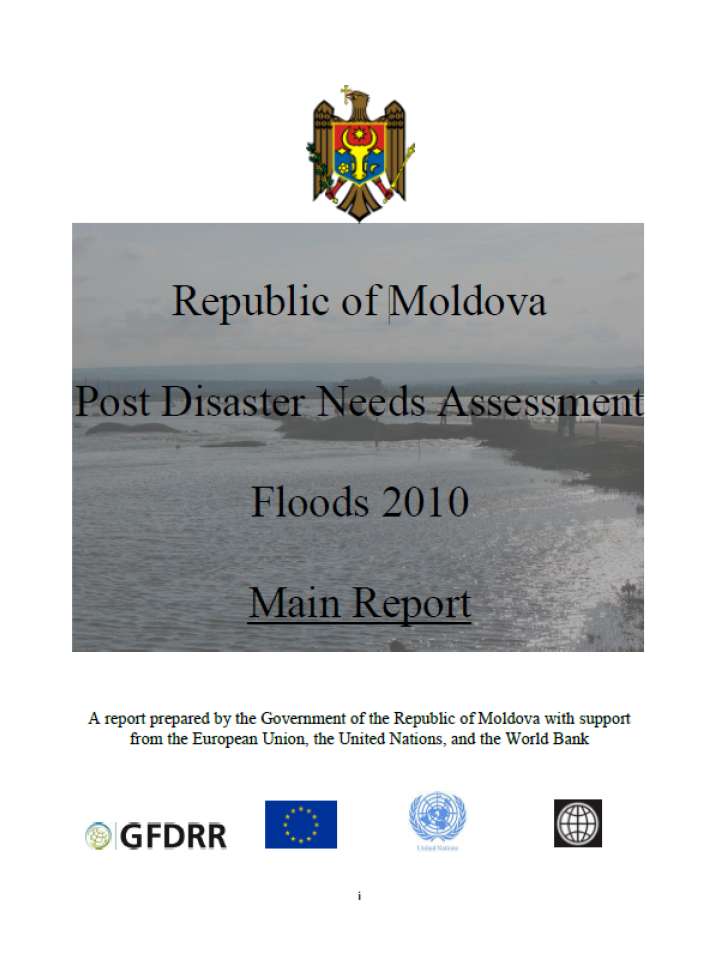
Moldova Post Disaster Needs Assessment Main Report 2010 Floods
This assessment provides a clear analysis of the extent of the damage and losses caused by the 2010 floods and identifies financing needs required to formulate recovery actions, implement medium-term recovery plans and develop a long-term DRR strategy.
Publication
Published on
14 September 2010
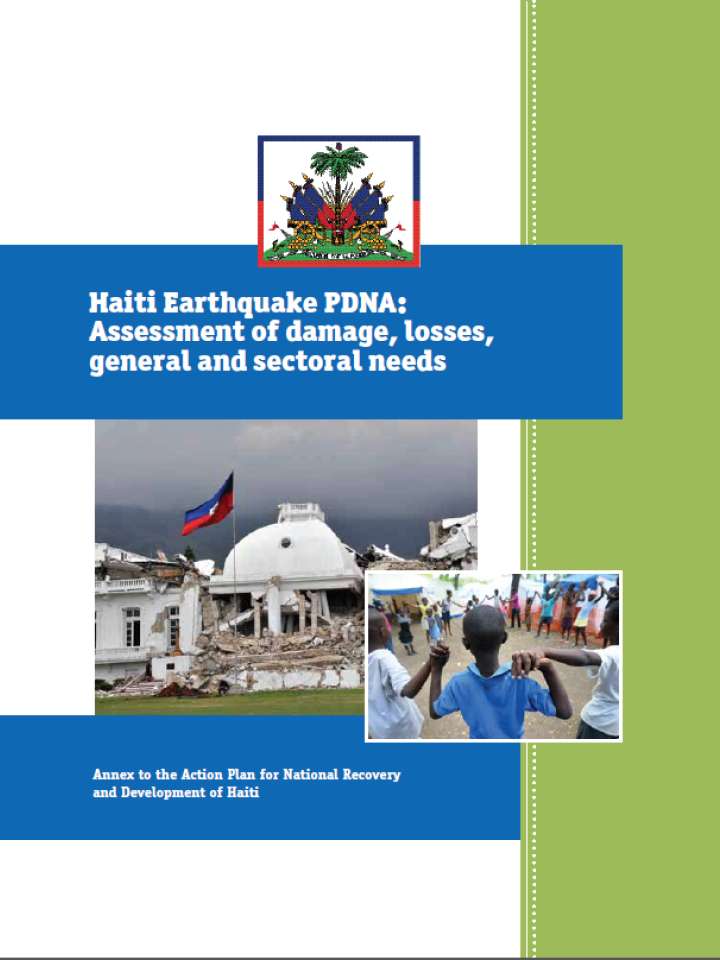
Haiti Earthquake PDNA: Assessment of damage, losses, general and sectoral needs
This document presents a multi-sector review of damage and losses incurred following the earthquake on January 12, 2010 and an action plan for the identification of needs for recovery and rebuilding the country in the short, medium, and long term.

Pagination

  • Previous page ‹ Previous
  • Page 1
  • Page 2
  • Page 3
  • Page 4
  • Page 5
  • Page 6
  • Page 7
  • Current page 8
  • Page 9
  • Next page Next ›

More content for this organization may be available on PreventionWeb or on the site search.

Voluntary Commitments

The organization has no registered commitments.

The Sendai Framework Voluntary Commitments (SFVC) online platform allows stakeholders to inform the public about their work on DRR. The SFVC online platform is a useful toolto know who is doing what and where for the implementation of the Sendai Framework, which could foster potential collaboration among stakeholders. All stakeholders (private sector, civil society organizations, academia, media, local governments, etc.) working on DRR can submit their commitments and report on their progress and deliverables.

Contact information

[email protected]

Is this page useful?

Yes No
Report an issue on this page

Thank you. If you have 2 minutes, we would benefit from additional feedback (link opens in a new window).

The International Recovery Platform (IRP) is a global partnership working to strengthen knowledge, and share experiences and lessons on building back better in recovery, rehabilitation, and reconstruction.

Latest IRP videos and photos: YouTube Flickr Contact IRP

Loading