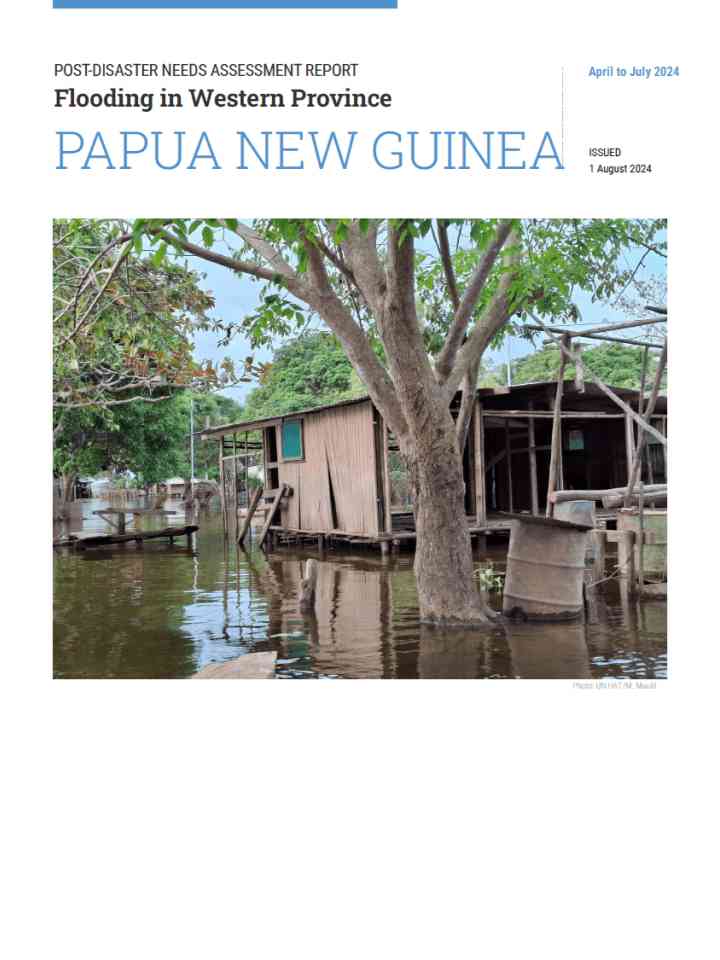
This post-disaster needs assessment examines the impacts of the 2024 floods in Western Province, Papua New Guinea. It identifies humanitarian needs and priority actions to support recovery and strengthen resilience.
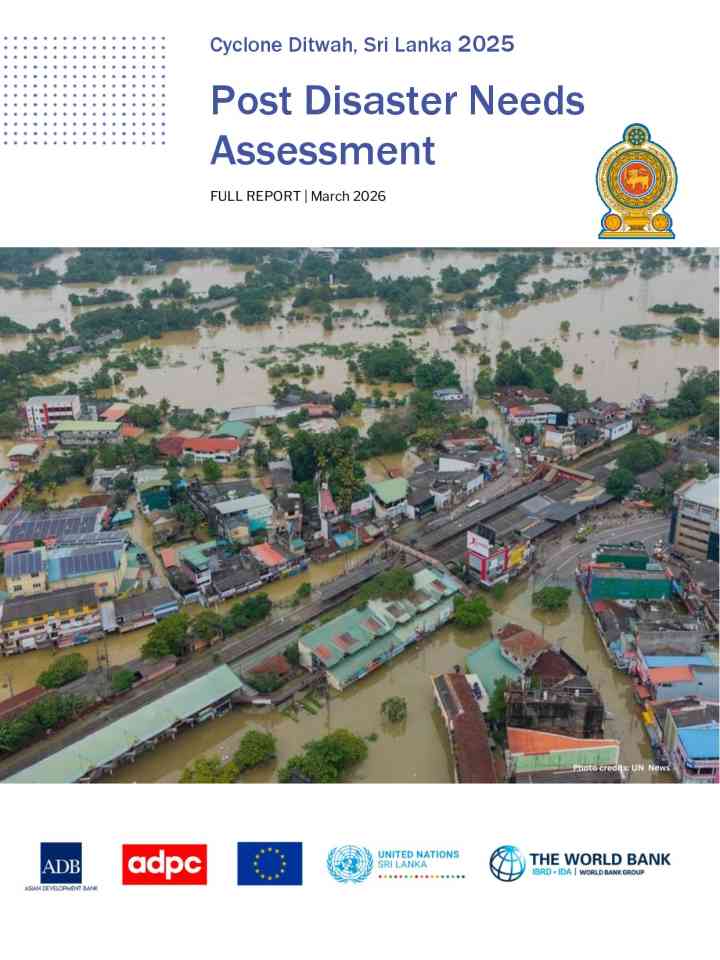
This is a comprehensive assessment that will guide Sri Lanka's recovery and reconstruction efforts following one of the most devastating disasters in its recent history.
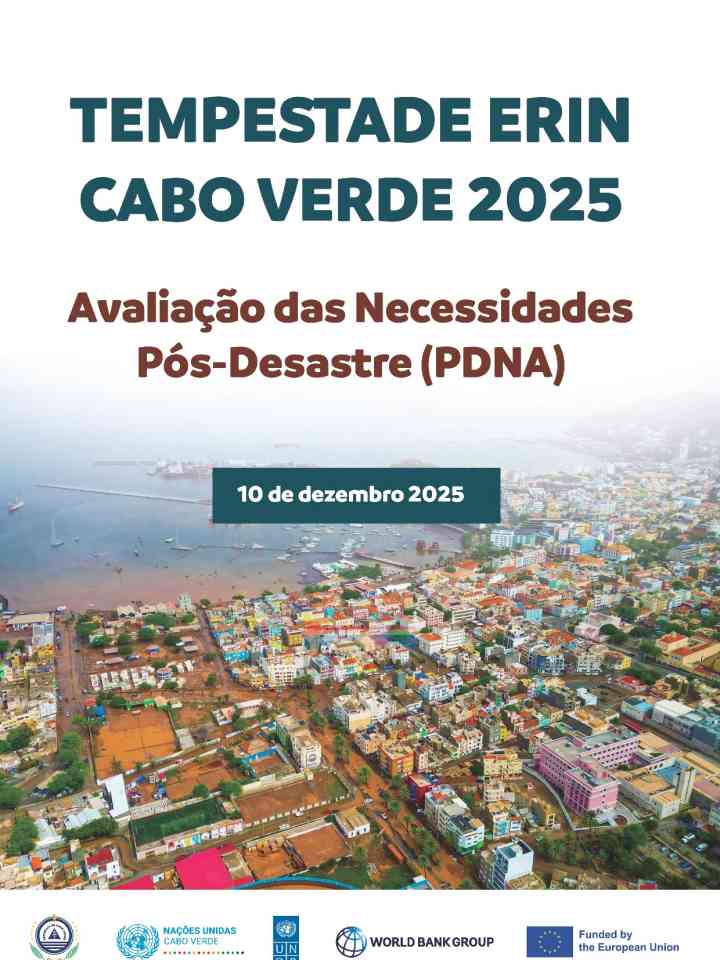
Esta Avaliação de Necessidades Pós-Desastre visa identificar e quantificar os impactos, estimar as necessidades de curto, médio e longo prazo, e apoiar a formulação de um quadro estratégico para uma recuperação e reconstrução resiliente.
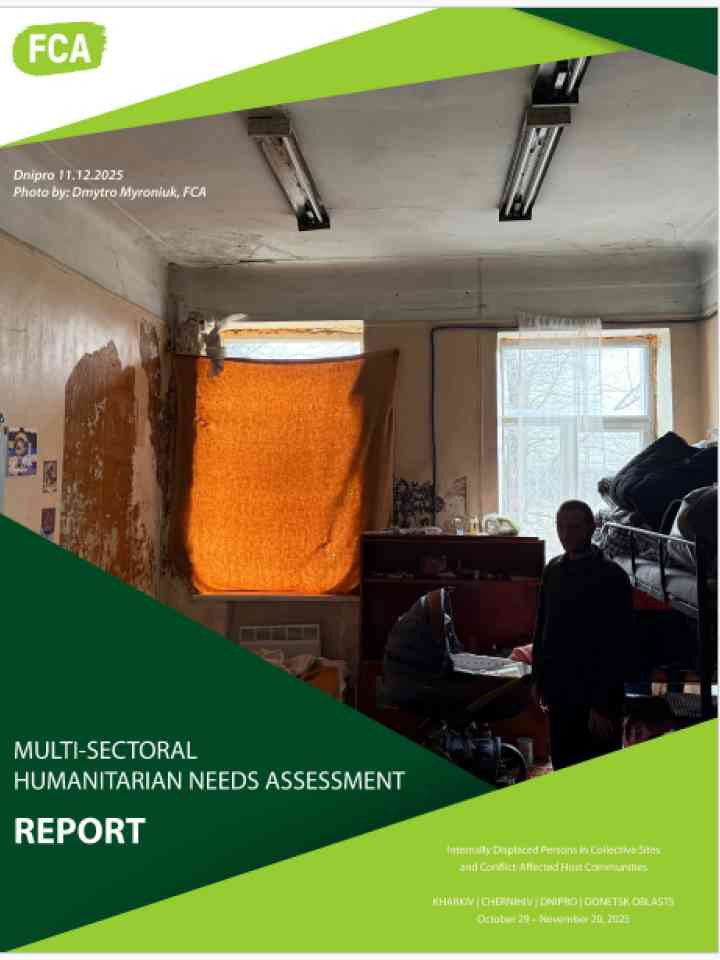
This report assesses humanitarian needs among internally displaced persons (IDPs) and host communities in conflict-affected regions of Ukraine, highlighting severe shortages in shelter, hygiene, infrastructure, winterization, and livelihoods.
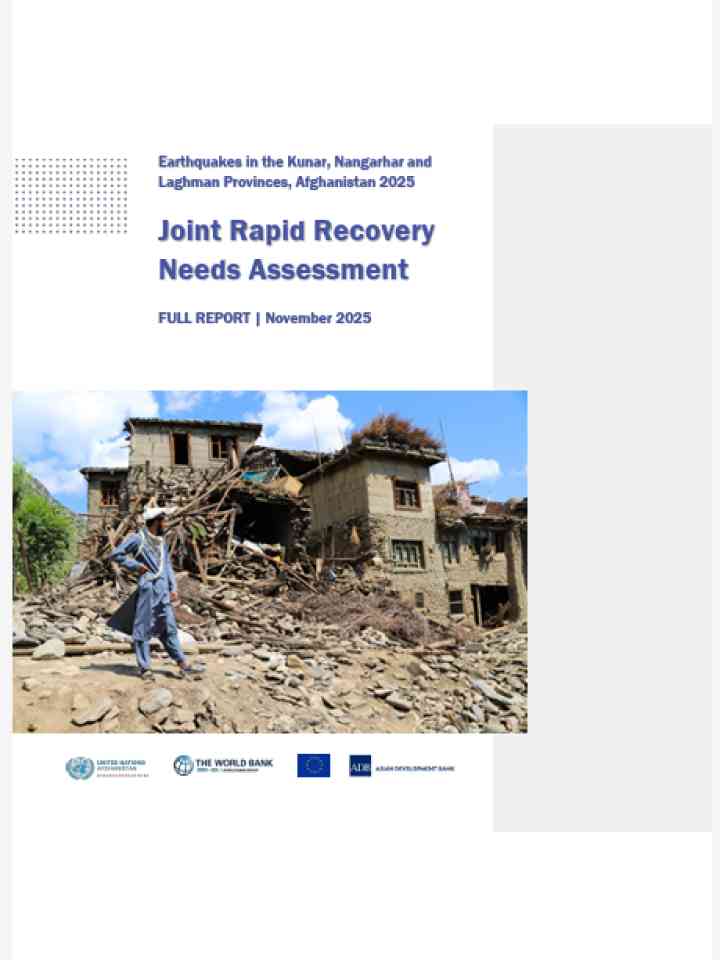
The report presents the Joint Rapid Recovery Needs Assessment (JRRNA) following the August 2025 earthquake in eastern Afghanistan, outlining damage, impacts, and priority recovery needs across key sectors.
This report presents a rapid damage estimation of the August 31, 2025 earthquake in eastern Afghanistan, using the World Bank’s GRADE methodology to assess physical damage, exposure, and socioeconomic impacts.
World Bank, the
Global Facility for Disaster Reduction and Recovery, the (GFDRR)
This report presents findings from IOM’s September 2025 multi-sectoral community needs assessment, following the 2023 earthquakes, highlighting persistent vulnerabilities in water access, livelihoods, shelter, health, and humanitarian assistance.
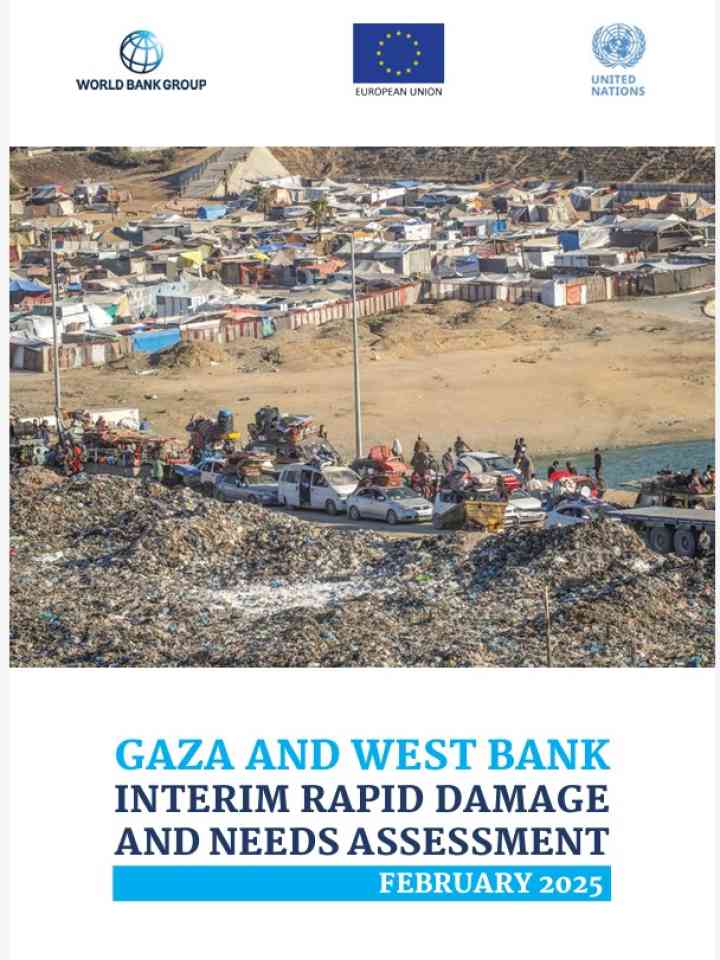
The Interim Rapid Damage and Needs Assessment (IRDNA) provides a comprehensive evaluation of the destruction, economic losses, and recovery needs in Gaza and the West Bank after 15 months of conflict.