PreventionWeb
Menu

European Union

EU
Regional Intergovernmental Organizations

Mission

The EU was set through the process of European integration launched on 9 May 1950 when France officially proposed to create “the first concrete foundation of a European federation.” Six countries (Belgium, Germany, France, Italy, Luxembourg and the Netherlands) joined from the very beginning. Today, after four waves of accessions (1973: Denmark, Ireland and the United Kingdom; 1981: Greece; 1986: Spain and Portugal; 1995: Austria, Finland and Sweden), the EU has 15 Member States and is preparing for the accession of other eastern and southern European countries. Its main agencies are: European Parliament, Council of the Union, European Commission, Court of Justice, Court of Auditors, European Central Bank, European Economic and Social Committee, Committee of the Regions, European Investment Bank, European Ombudsman.
Show more
Latest additions
Items: 71
Publication
Published on
25 October 2022
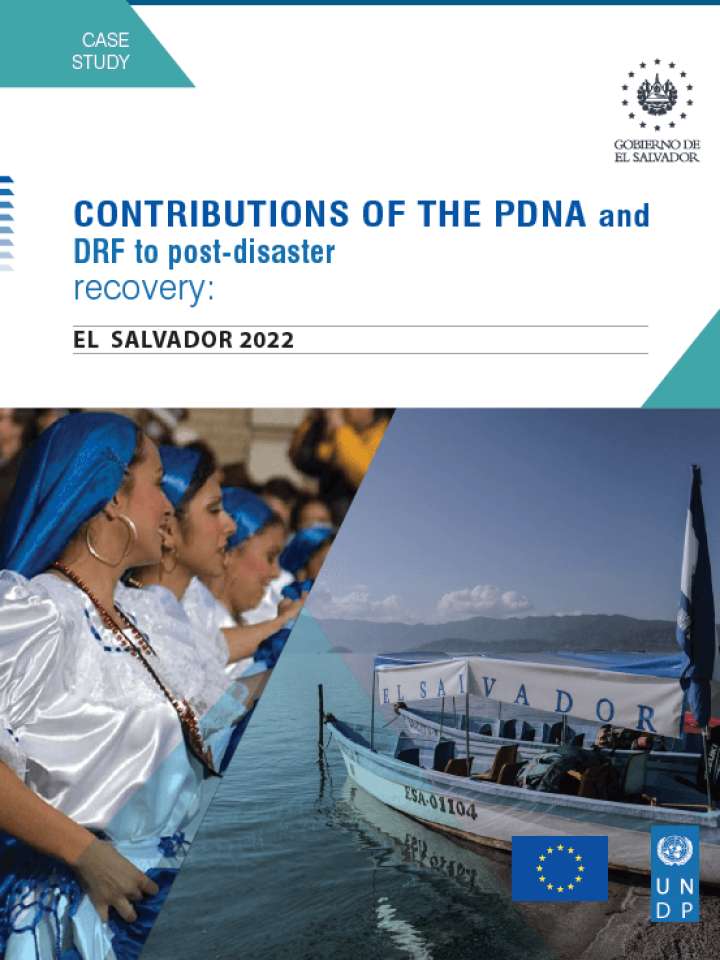
Contributions of the PDNA and DRF to post-disaster recovery: El Salvador 2022
This case study seeks to analyse and document the contributions of the PDNA and DRF to post-disaster recovery in El Salvador, including its ability to be adapted through the CRNA and other tools to the El Salvador context.
Publication
Published on
13 October 2022
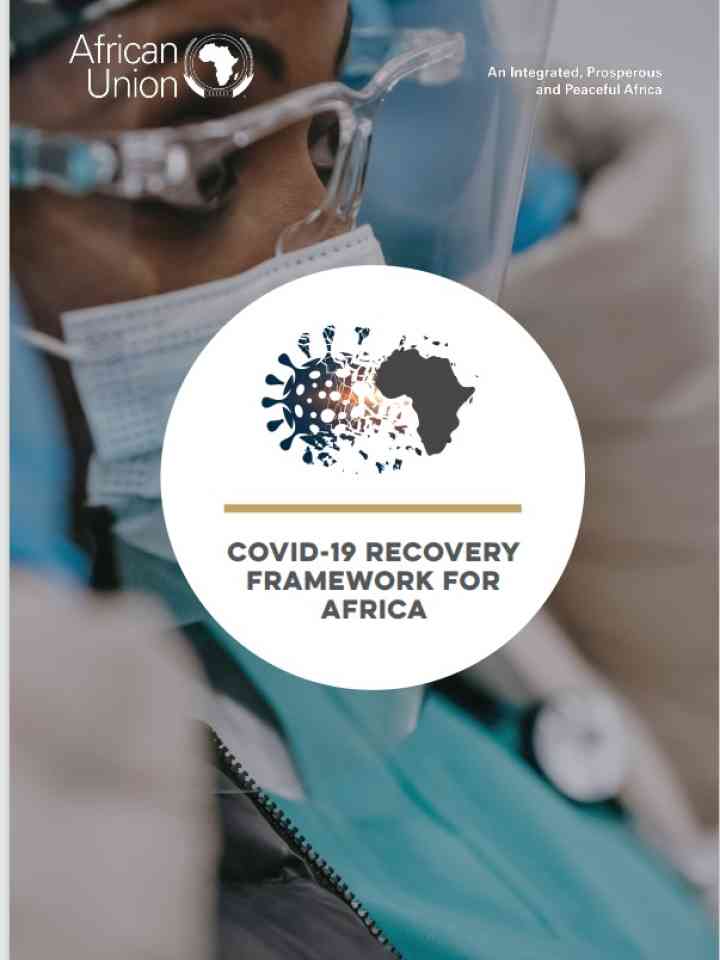
COVID-19 Recovery Framework for Africa
The "COVID-19 Recovery Framework for Africa," offers a strategy for the continent's resilient socio-economic recovery from the pandemic, focusing on health, economic challenges, human development, and inclusivity.
Publication
Published on
1 August 2022
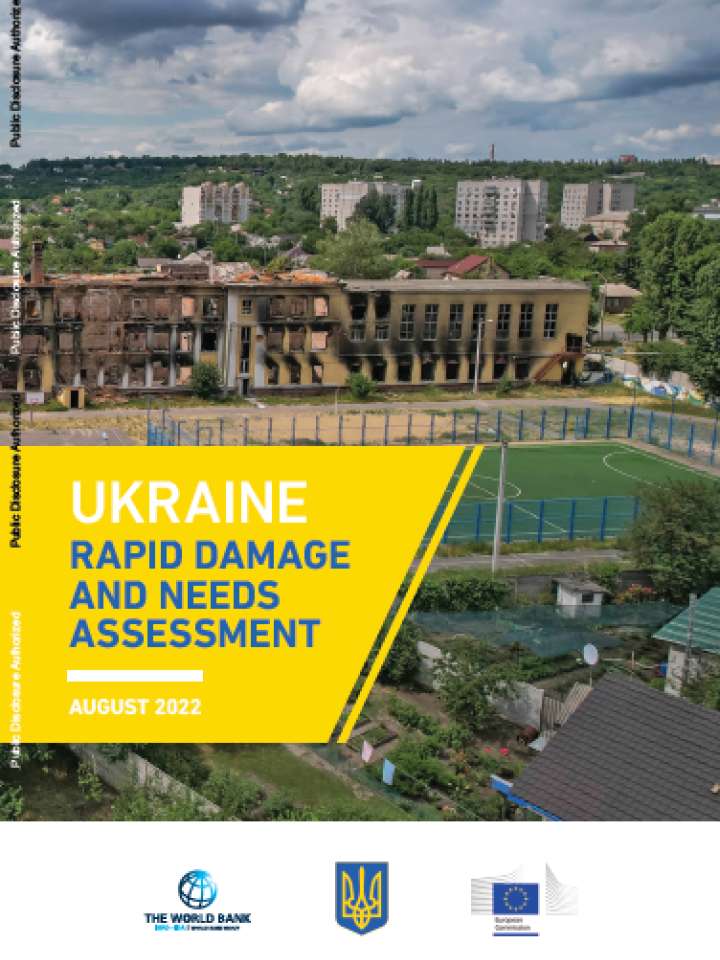
Ukraine Rapid Damage and Needs Assessment (August 2022)
This assessment is part of an ongoing effort to take stock of Ukraine’s damage and losses from the war. It aims to assess the scale of economic and social needs for Ukraine’s survival during the war and it's prosperity afterward.
Publication
Published on
7 December 2021
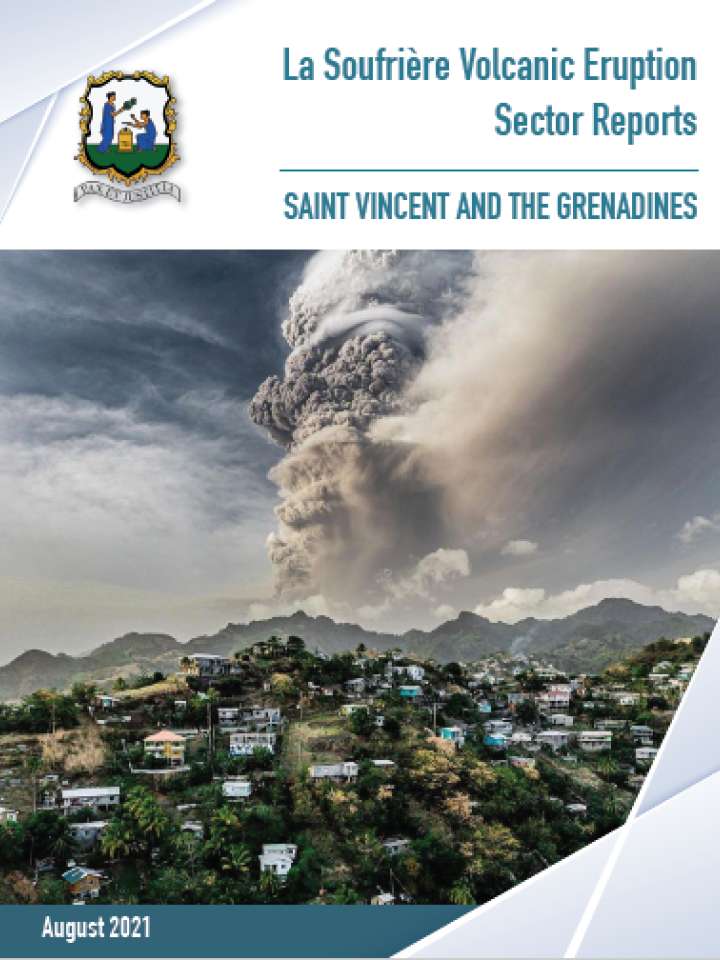
La Soufrière Volcanic Eruption Post Disaster Needs Assessment Saint Vincent and the Grenadines
These documents present the background, context, effects, impact, recovery needs and recovery strategy of the devastation of the La Soufrière Volcanic Eruption on St. Vincent and the Grenadines within the context of a PDNA.
Publication
Published on
6 July 2021
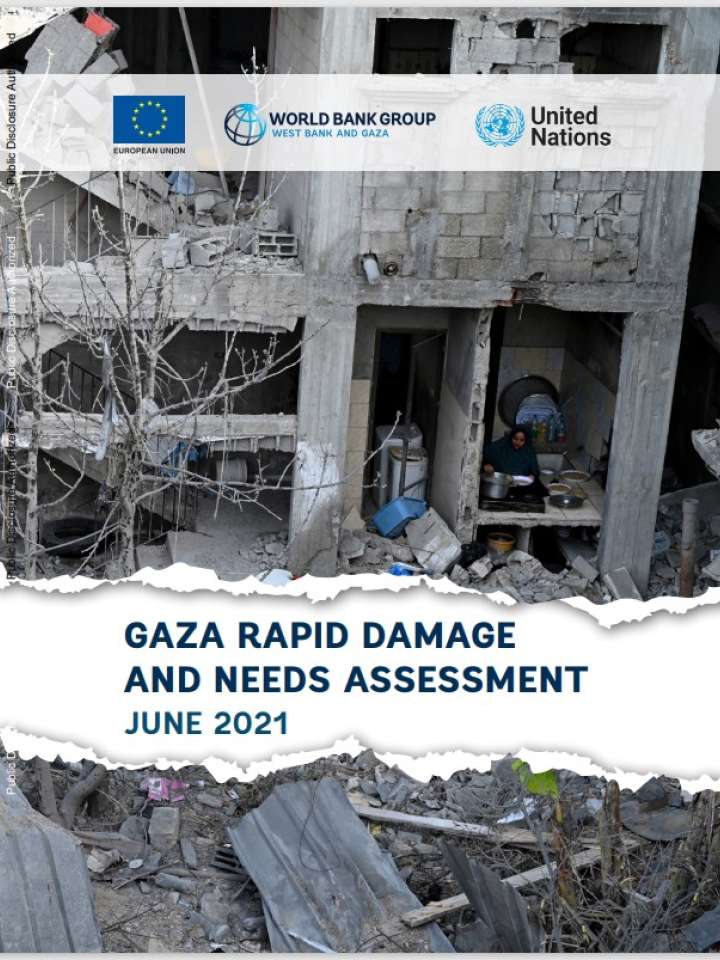
Gaza rapid damage and needs assessment
The Gaza 2021 Rapid Damage and Needs Assessment (RDNA) estimates the total damage and losses incurred in Gaza following the latest conflict.
Publication
Published on
5 July 2020
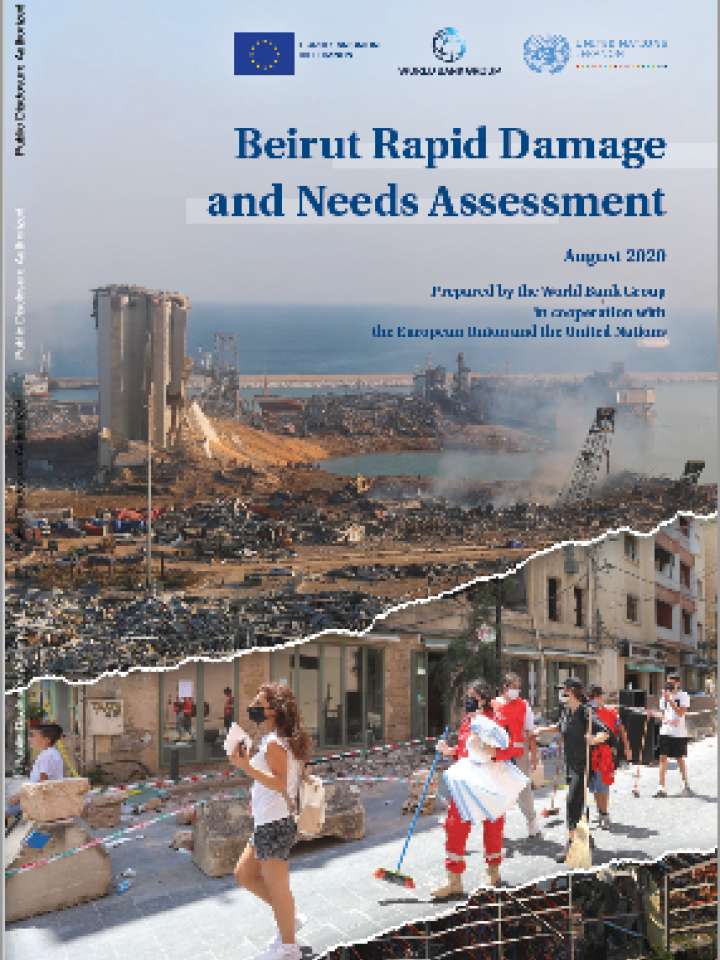
Beirut Rapid Damage and Needs Assessment
This Rapid Damage and Needs Assessment (RDNA) estimates the impact on the population, physical assets, infrastructure and service delivery, following the explosions in the Port of Beirut in August 2020.
Publication
Published on
5 July 2020
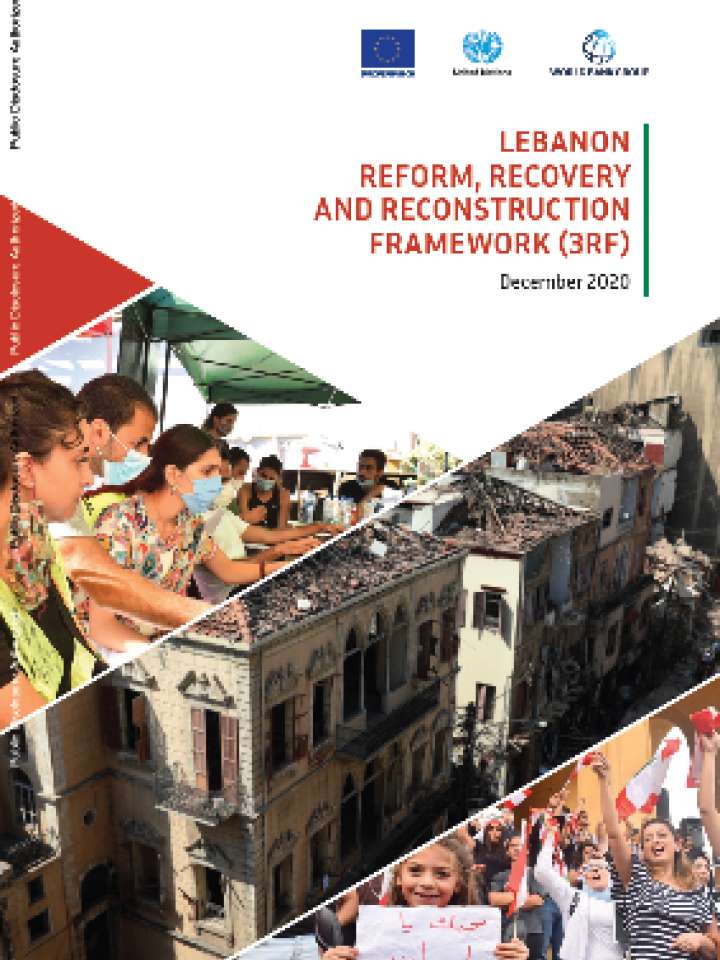
Lebanon Reform Recovery and Reconstruction Framework (3RF)
The framework for Reform, Recovery and Reconstruction (the 3RF) is a people-centered recovery and reconstruction framework, and a part of a comprehensive response to the massive explosion on the Port of Beirut on August 4, 2020.
Publication
Published on
19 February 2020
Albania Earthquake Post-Disaster Needs Assessment
On 6th December, the Government of Albania requested support from the European Union, the United Nations, and the World Bank to undertake a full and comprehensive PDNA to identify the damage, losses, and recovery needs arising from the earthquake.

Pagination

  • Previous page ‹ Previous
  • Page 1
  • Page 2
  • Current page 3
  • Page 4
  • Page 5
  • Page 6
  • Page 7
  • Page 8
  • Page 9
  • Next page Next ›

More content for this organization may be available on PreventionWeb or on the site search.

Voluntary Commitments

The organization has no registered commitments.

The Sendai Framework Voluntary Commitments (SFVC) online platform allows stakeholders to inform the public about their work on DRR. The SFVC online platform is a useful toolto know who is doing what and where for the implementation of the Sendai Framework, which could foster potential collaboration among stakeholders. All stakeholders (private sector, civil society organizations, academia, media, local governments, etc.) working on DRR can submit their commitments and report on their progress and deliverables.

Contact information

[email protected]

Is this page useful?

Yes No
Report an issue on this page

Thank you. If you have 2 minutes, we would benefit from additional feedback (link opens in a new window).

The International Recovery Platform (IRP) is a global partnership working to strengthen knowledge, and share experiences and lessons on building back better in recovery, rehabilitation, and reconstruction.

Latest IRP videos and photos: YouTube Flickr Contact IRP

Loading