PreventionWeb
Navigation loading…

European Union

EU
Regional Intergovernmental Organizations

Mission

The EU was set through the process of European integration launched on 9 May 1950 when France officially proposed to create “the first concrete foundation of a European federation.” Six countries (Belgium, Germany, France, Italy, Luxembourg and the Netherlands) joined from the very beginning. Today, after four waves of accessions (1973: Denmark, Ireland and the United Kingdom; 1981: Greece; 1986: Spain and Portugal; 1995: Austria, Finland and Sweden), the EU has 15 Member States and is preparing for the accession of other eastern and southern European countries. Its main agencies are: European Parliament, Council of the Union, European Commission, Court of Justice, Court of Auditors, European Central Bank, European Economic and Social Committee, Committee of the Regions, European Investment Bank, European Ombudsman.
Show more
Latest additions
Items: 71
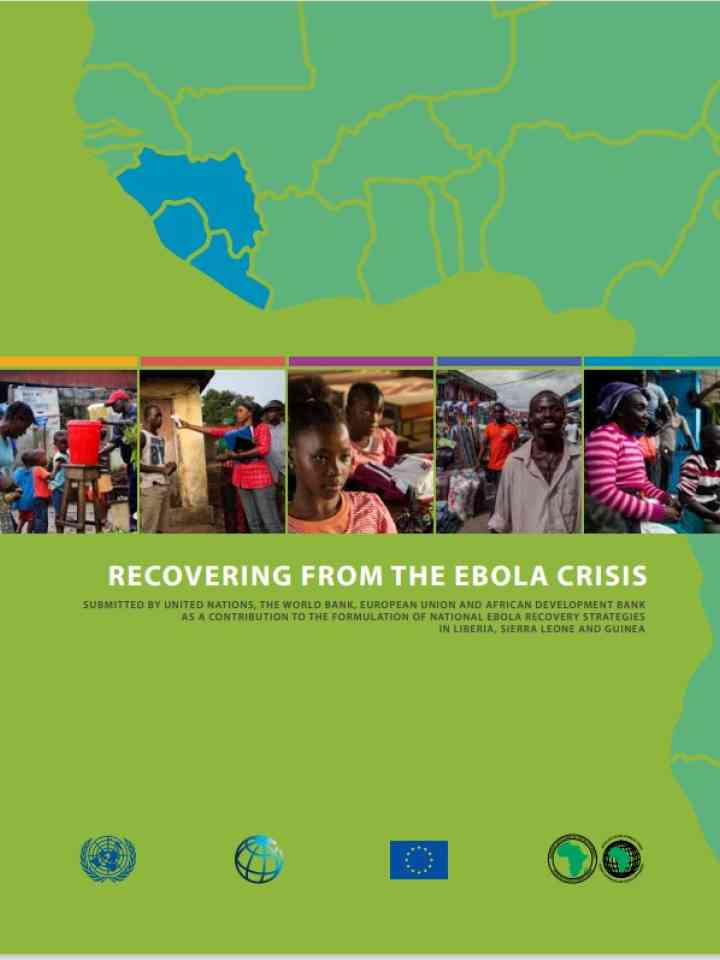
Recovering from the Ebola Crisis
Documents and publications
Publications
27 July 2017
Recovering from the Ebola Crisis

This report is a contribution to ongoing efforts by the Governments of Guinea, Liberia and Sierra Leone to design their national Ebola virus disease recovery strategies.

United Nations Development Programme (UNDP)
World Bank, the
European Union
African Development Bank
United Nations - Headquarters
This report is a contribution to ongoing efforts by the Governments of Guinea, Liberia and Sierra Leone to design their national Ebola virus disease recovery strategies.
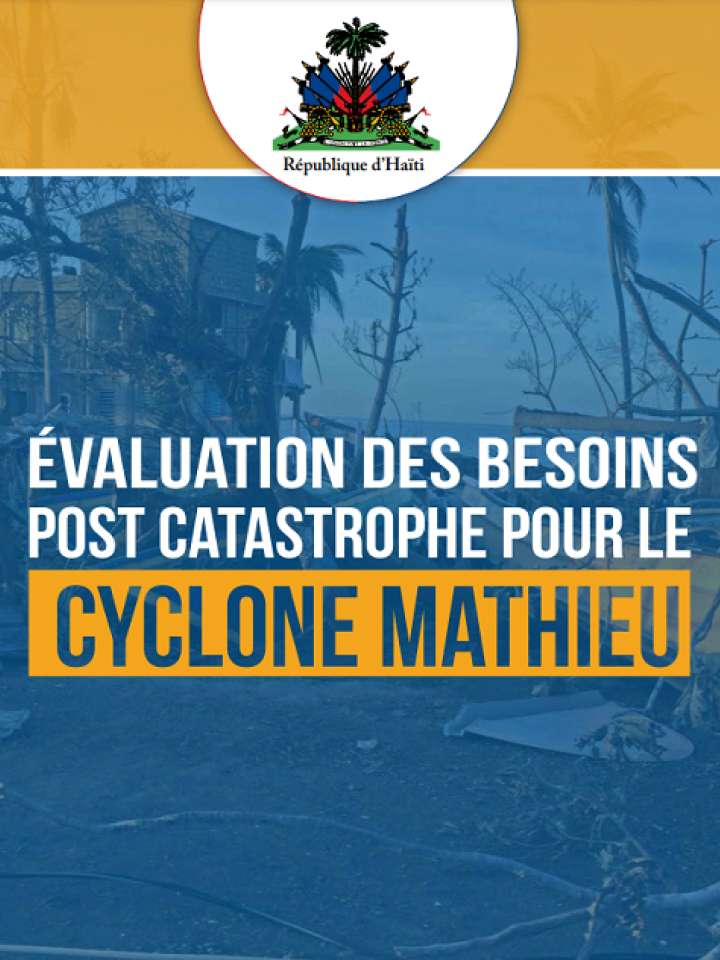
Évaluation des Besoins Post Catastraphe Pour le Cyclone Mathieu
Documents and publications
PDNA - Post Disaster Needs Assessments
2 February 2017
Post-Disaster Needs Assessment of 2016 Cyclone Mathieu

This 2016 Haiti post-disaster needs assessment reports on the damage caused by the cyclone Mathieu and incurred needs and costs and presents the recommended recovery strategy for an adequate response to the post-disaster situation.

Haiti - government
European Union
World Bank, the
United Nations Development Programme (UNDP)
Inter-American Development Bank (IDB)
This 2016 Haiti post-disaster needs assessment reports on the damage caused by the cyclone Mathieu and incurred needs and costs and presents the recommended recovery strategy for an adequate response to the post-disaster situation.
Meetings and conferences
Brussels
6 June 2017 - 8 June 2017
In person
World Reconstruction Conference 3 (WRC3)
Promoting Resilience Through Post-Crisis Recovery #WRC3 #BuildBetter The third edition of the World Reconstruction Conference (WRC3) aims to promote resilience through post-crisis recovery, as evidenced by the Sendai Framework’s Priority 4 to "build back
Promoting Resilience Through Post-Crisis Recovery #WRC3 #BuildBetter
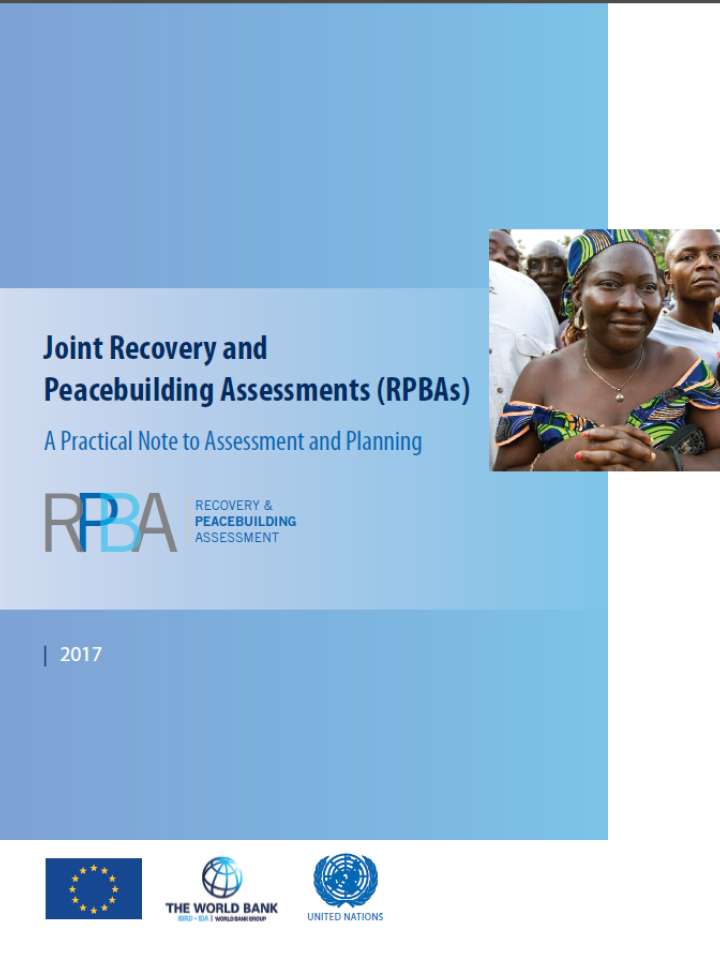
Joint Recovery and Peacebuilding Assessments (RPBAs)
Documents and publications
PDNA Guidance
1 January 2017
Joint Recovery and Peacebuilding Assessments (RPBAs)

The Recovery and Peacebuilding Assessment is an approach to identify and address recovery and peacebuilding requirements and lays the foundations for a longer-term strategy in a country facing conflict or transitioning out of a conflict-related crisis.

United Nations Development Programme (UNDP)
Global Facility for Disaster Reduction and Recovery, the (GFDRR)
European Union
The Recovery and Peacebuilding Assessment is an approach to identify and address recovery and peacebuilding requirements and lays the foundations for a longer-term strategy in a country facing conflict or transitioning out of a conflict-related crisis.
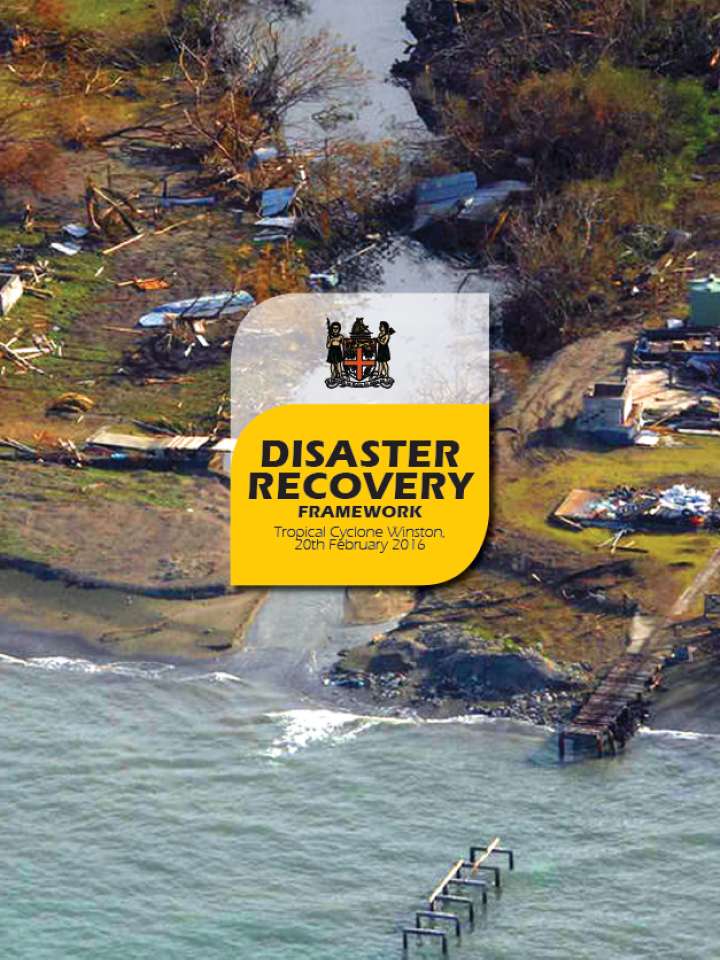
Fiji Tropical Cyclone Winston Disaster Recovery Framework 2016
Documents and publications
DRF - Disaster Recovery Frameworks
28 October 2016
Fiji Tropical Cyclone Winston Disaster Recovery Framework 2016

This DRF guides the planning and implementation of recovery programmes and projects, providing overall direction to the government, the private sector, development partners, civil society and communities.

Fiji - government
World Bank, the
United Nations - Headquarters
European Union
Asian Development Bank (ADB)
Secretariat of the Pacific Community
This DRF guides the planning and implementation of recovery programmes and projects, providing overall direction to the government, the private sector, development partners, civil society and communities.
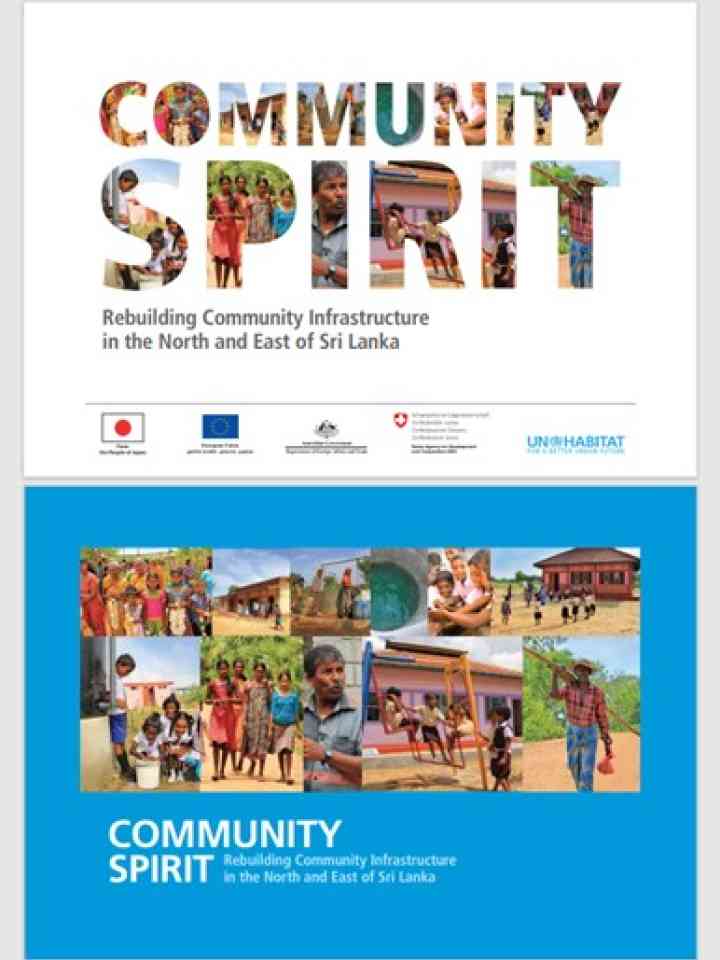
Community Spirit: Rebuilding Community Infrastructure in the North and East of Sri Lanka
Documents and publications
Publications
15 April 2015
Community Spirit: Rebuilding Community Infrastructure in the North and East of Sri Lanka

This photobook is a pictorial testimony of community recovery after conflict, highlighting the resilience and spirit of the people in the North and East of Sri Lanka.

United Nations Human Settlements Programme (UN-HABITAT)
Japan - government
European Union
Swiss Agency for Development and Cooperation, Federal Department of Foreign Affairs
Department of Foreign Affairs and Trade - Australia
This photobook is a pictorial testimony of community recovery after conflict, highlighting the resilience and spirit of the people in the North and East of Sri Lanka.
Documents and publications
21 January 2015
Five years on from the Haiti earthquake: the EU’s response

This fact sheet summarizes the support that the European Union (EU) has and will continue to provide to Haiti to aid in Haiti's recovery and in building its resilience to withstand future disasters. This support comes after the devastating earthquake in

European Union
This fact sheet summarizes the support that the European Union (EU) has and will continue to provide to Haiti to aid in Haiti's recovery and in building its resilience to withstand future disasters.
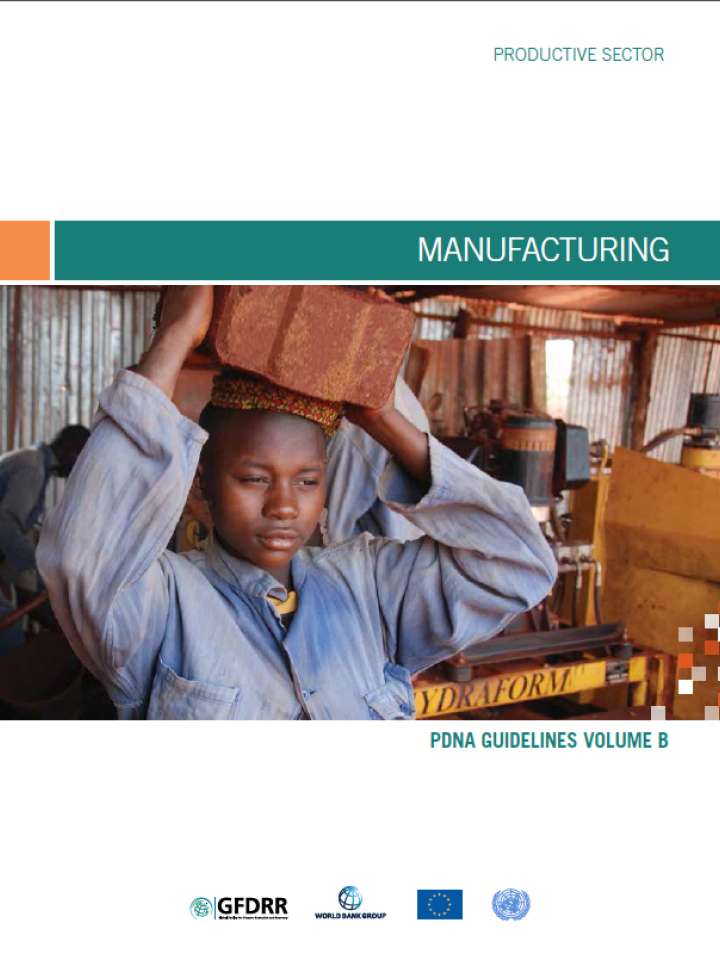
PDNA Guidelines Volume B - Manufacturing
Documents and publications
PDNA Guidance
11 November 2014
Post-disaster needs assessments guidelines: Volume B - Manufacturing

This chapter describes the procedure to assess the effects of a disaster on the manufacturing sector, following the Post-Disaster Needs Assessment (PDNA) methodology.

United Nations Development Programme (UNDP)
Global Facility for Disaster Reduction and Recovery, the (GFDRR)
European Union
This chapter describes the procedure to assess the effects of a disaster on the manufacturing sector, following the Post-Disaster Needs Assessment (PDNA) methodology.

Pagination

  • Previous page ‹ Previous
  • Page 1
  • Page 2
  • Page 3
  • Page 4
  • Current page 5
  • Page 6
  • Page 7
  • Page 8
  • Page 9
  • Next page Next ›

More content for this organization may be available on PreventionWeb or on the site search.

Voluntary Commitments

The organization has no registered commitments.

The Sendai Framework Voluntary Commitments (SFVC) online platform allows stakeholders to inform the public about their work on DRR. The SFVC online platform is a useful toolto know who is doing what and where for the implementation of the Sendai Framework, which could foster potential collaboration among stakeholders. All stakeholders (private sector, civil society organizations, academia, media, local governments, etc.) working on DRR can submit their commitments and report on their progress and deliverables.

Contact information

[email protected]

Is this page useful?

Yes No
Report an issue on this page

Thank you. If you have 2 minutes, we would benefit from additional feedback (link opens in a new window).

The International Recovery Platform (IRP) is a global partnership working to strengthen knowledge, and share experiences and lessons on building back better in recovery, rehabilitation, and reconstruction.

Latest IRP videos and photos: YouTube Flickr Contact IRP

Loading