This paper outlines the process and outcomes of a multi-agency, multi-sector research collaboration, led by the Canterbury Earthquake Recovery Authority (CERA). It begins with an outline of both the Canterbury earthquake sequence, and the research context informing this collaborative project, before reporting on the methodology and significant results to date. It concludes with a discussion of both the survey results, and the collaborative process through which it was developed.
This case study of Ipota village (on Errromango island in Vanuatu) illustrates the impact of a Disaster Risk Reduction project on the community’s practices before, during and after Cyclone Pam.
This research is focused on the epidemiology of the aftermath of a major flood in Koshi in the eastern part of Nepal in August 2008. Although, direct flood induced mortality was only two, 39 more mortalities were reported within the four months of the disaster event, mostly amongst those living in the rehabilitation camps. Data for this study was collected through questionnaire surveys and the secondary data from District Public Health Office (DPHO), Sunsari and well as local health centers.
This document proposes ways to improve planning methods for transport redevelopment in post-conflict reconstruction. It refutes the widespread perception that inland water transport (IWT) is a minor mode of transportation because of its disadvantages
Special Publication (NIST SP) 1197, doi:10.6028/NIST.SP.1197:
This guide provides a standard economic methodology for evaluating investment decisions aimed to improve the ability of communities to adapt to, withstand, and quickly recover from disasters
This report aims to provide a thematic review on risk governance in Africa as a contribution to the GAR 2015. It identifies achievements, good practices, gaps and challenges against selected HFA indicators with a focus on disaster recovery.
United Nations Office for Disaster Risk Reduction (UNDRR)
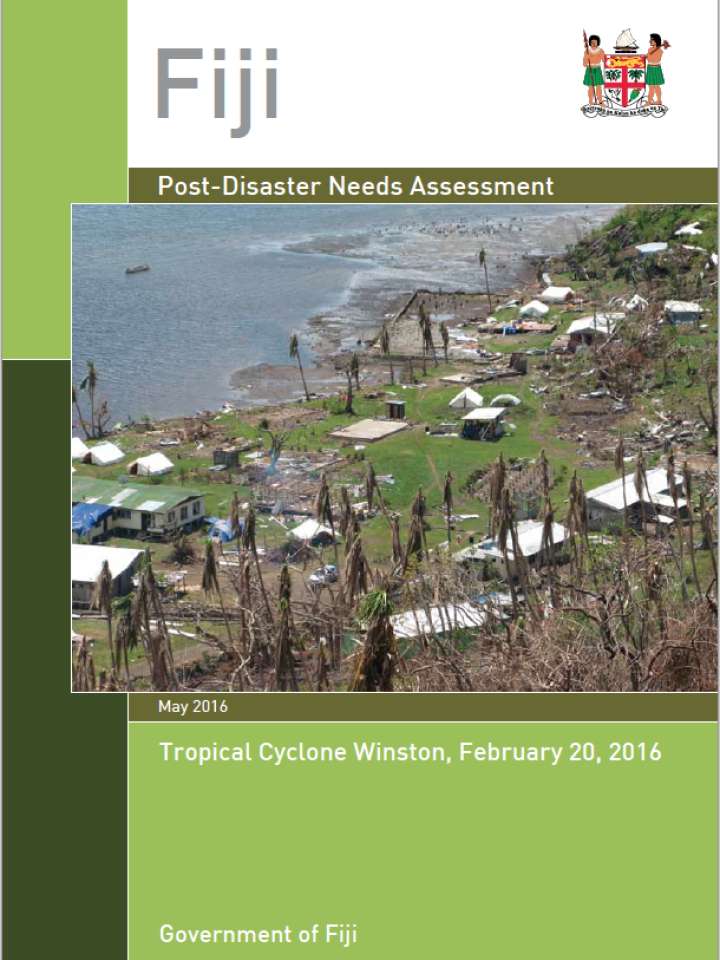
This PDNA covers the damage and losses across various sectors following Tropical Cyclone Winston that struck Fiji in 2016. A summary of recovery, reconstruction, and resilience needs are included in the report.
Fiji - government
Global Facility for Disaster Reduction and Recovery, the (GFDRR)
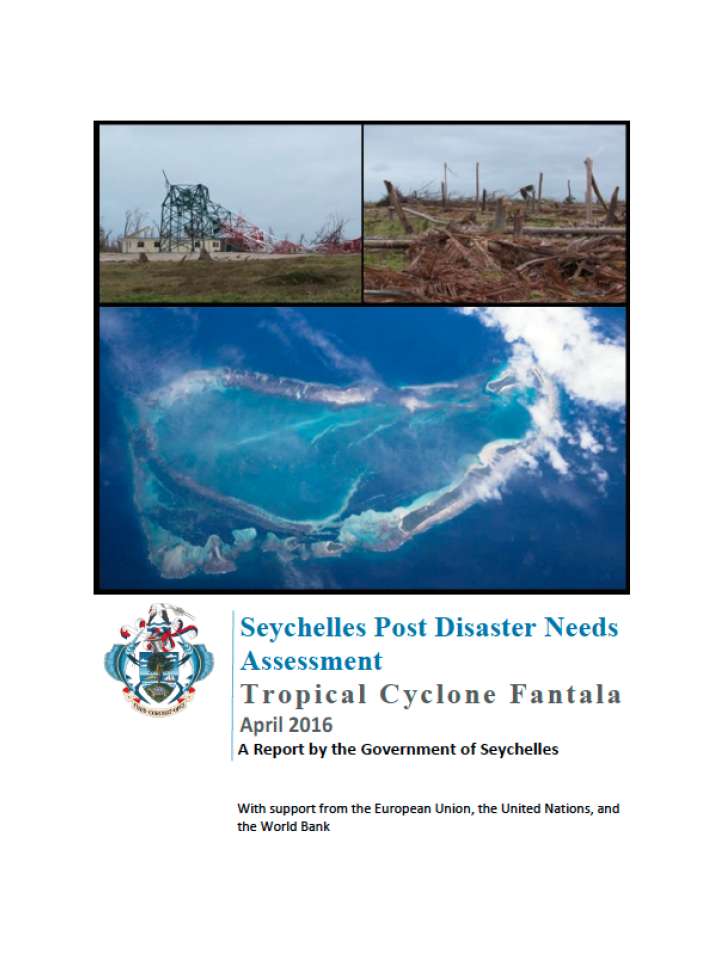
This PDNA provides a comprehensive assessment of the impact of Tropical Cyclone Fantala, which hit the Seychelles’ Outer Islands in 2016. A recovery strategy, which functions as an outline for a country-led recovery process, is included in this report.
Seychelles - government
Global Facility for Disaster Reduction and Recovery, the (GFDRR)
This PDNA covers the damage and losses across various sectors following heavy rainfall and flooding in Vietnam in 2016. A recovery strategy proposing a long-term plan to strengthen the country’s preparedness for future disasters.
Sri Lanka - government
Global Facility for Disaster Reduction and Recovery, the (GFDRR)
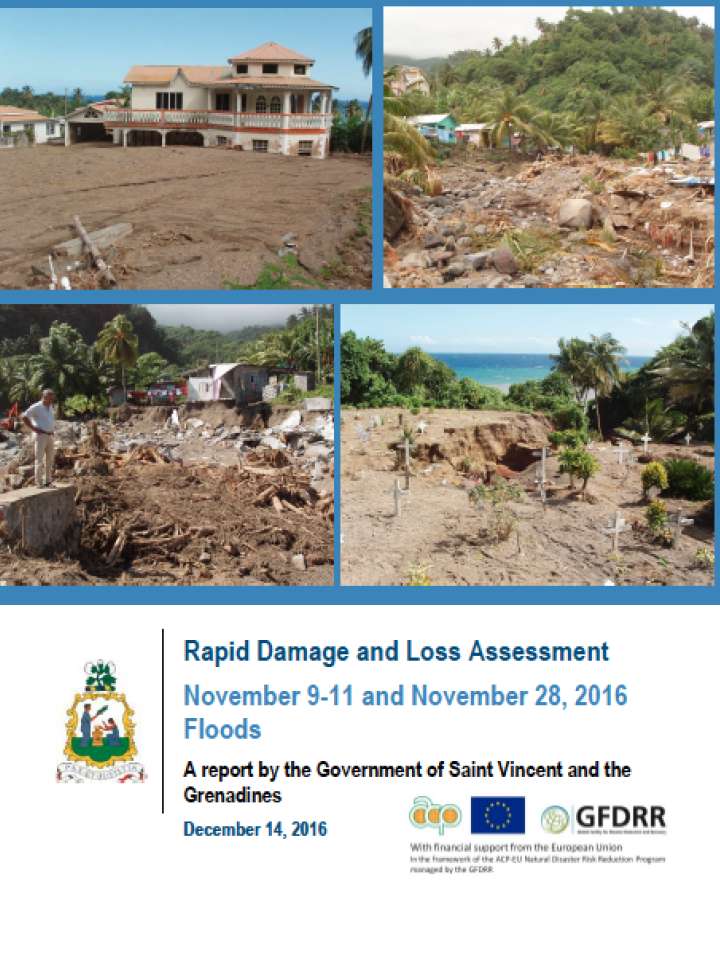
This report provides a rapid damage and loss assessment to inform the Government ’s recovery planning. It includes recommendations to further incorporate disaster risk reduction and management into land use and physical planning decision-making processes.
Saint Vincent and the Grenadines - government
Global Facility for Disaster Reduction and Recovery, the (GFDRR)