This guidance presents people-centred circular approaches to rubble management and reconstruction after disasters and conflicts. It outlines practical measures to reuse and recycle rubble while supporting recovery, livelihoods and sustainable rebuilding.
United Nations Office for Project Services (UNOPS)
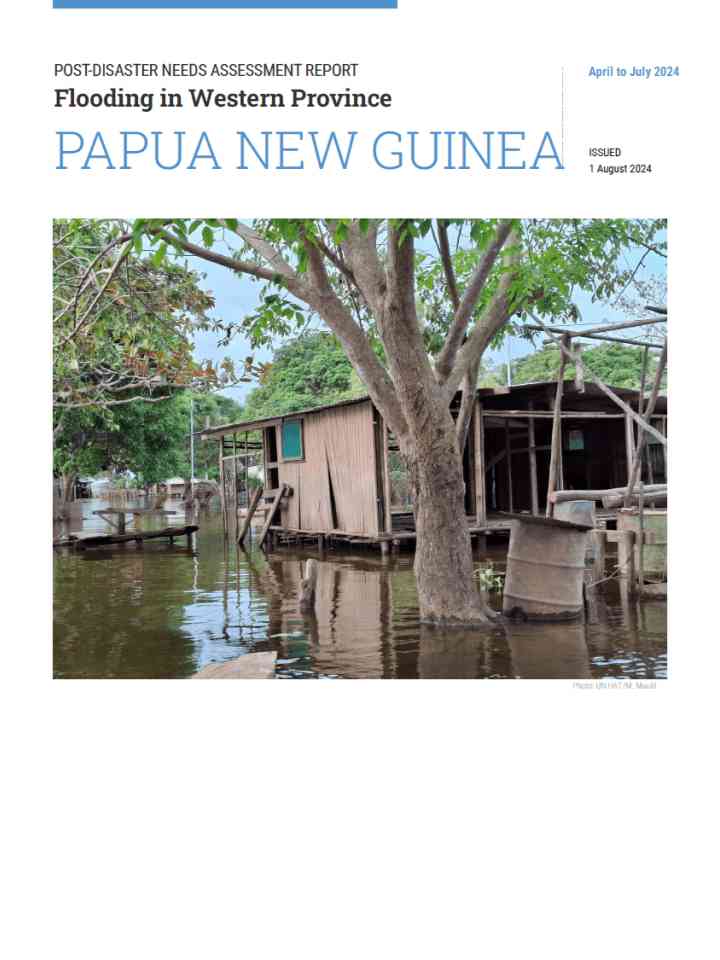
This post-disaster needs assessment examines the impacts of the 2024 floods in Western Province, Papua New Guinea. It identifies humanitarian needs and priority actions to support recovery and strengthen resilience.
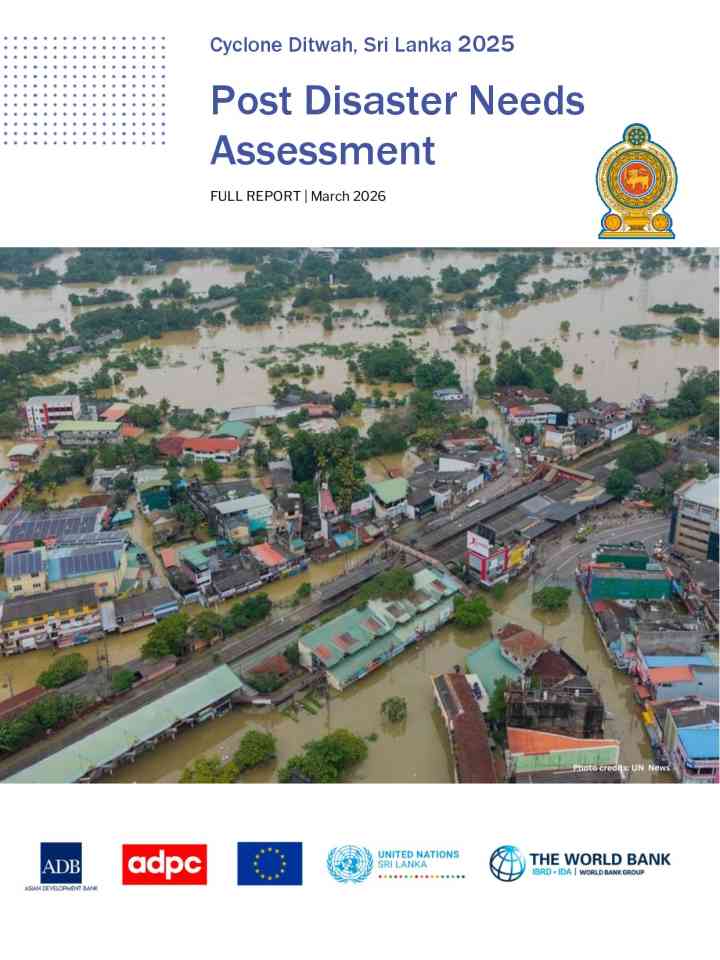
This is a comprehensive assessment that will guide Sri Lanka's recovery and reconstruction efforts following one of the most devastating disasters in its recent history.
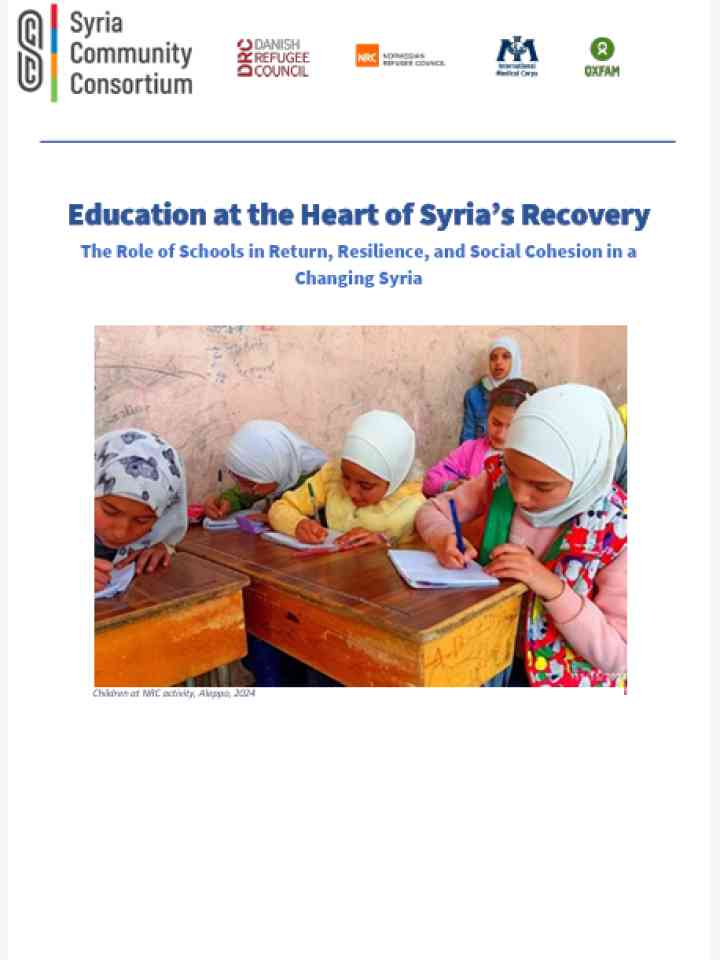
The policy brief highlights the importance of rebuilding Syria’s education system to support recovery, social cohesion, and the reintegration of returning displaced families.
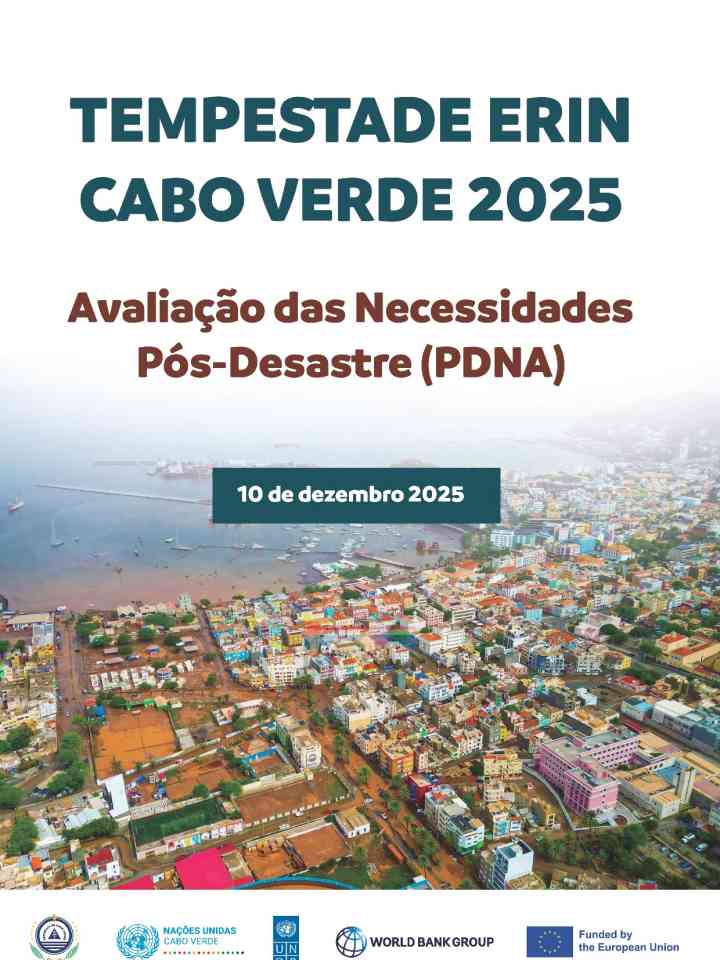
Esta Avaliação de Necessidades Pós-Desastre visa identificar e quantificar os impactos, estimar as necessidades de curto, médio e longo prazo, e apoiar a formulação de um quadro estratégico para uma recuperação e reconstrução resiliente.
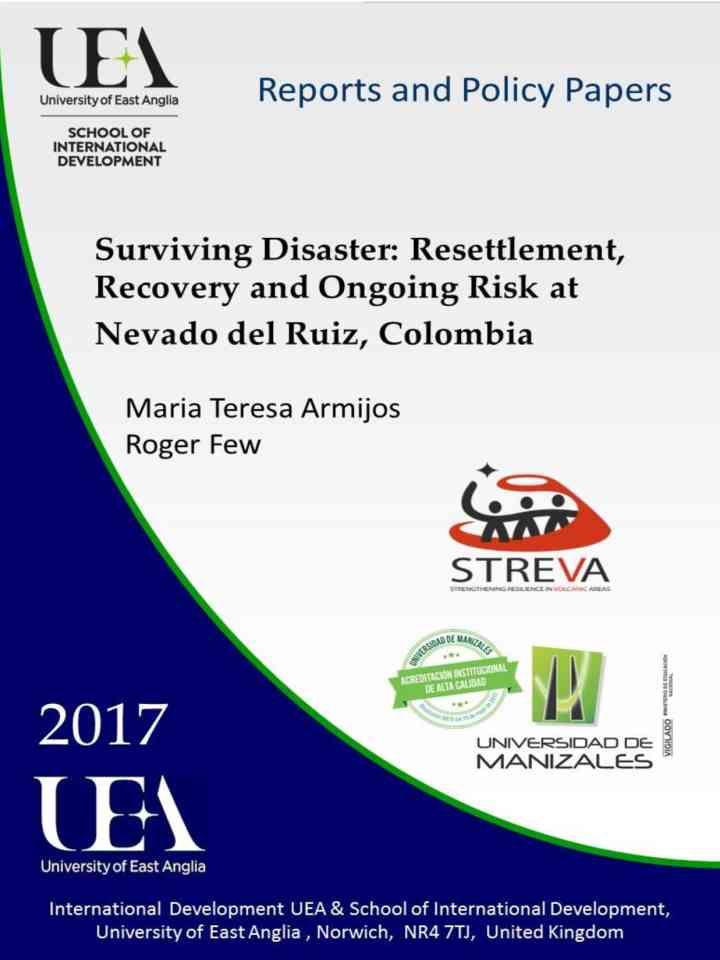
This report presents an analysis of the long-term impacts of the 1985 Nevado del Ruiz volcanic eruption on wellbeing and livelihoods. It investigates how social differentiation influences recovery processes and vulnerability to volcanic hazards.
This report examines how urban law can protect housing, land, and property (HLP) rights across the conflict cycle and support recovery, reconstruction, and resilience in conflict-affected cities.
United Nations Human Settlements Programme (UN-HABITAT)
This paper presents a comprehensive critical review of 250 studies published between January 2010 and September 2023 that examine how social media data have been used to manage disasters triggered by natural hazards.
This study develops habitability functions to quantify the relationship between hydrodynamic hazards and the probability of buildings becoming uninhabitable following Hurricane Irma.