This brief is part of a series highlighting the World Bank's achievements in disaster risk management initiatives. Following the powerful Tropical Cyclone Evan that swept across the island of Samoa in July 2012, the World Bank and the Global Facility for Disaster Reduction and Recovery (GFDRR), with funding from the Africa Caribbean Pacific–European Union Natural Disaster Risk Reduction Program (ACP-EU NDRR), worked with the government to assess damages, launch a comprehensive disaster recovery and reconstruction plan to make the transport and agriculture sectors more resilient. This paper elaborates on the lessons learned from this disaster to strengthen the country’s financial capacity to manage future shocks from natural disasters.
World Bank, the
Global Facility for Disaster Reduction and Recovery, the (GFDRR)
This brief is part of a series highlighting the World Bank's achievements in disaster risk management initiatives. The brief presents the Pacific Catastrophe Risk Assessment and Financing Initiative (PCRAFI), formed in 2007 in response to requests from 15
World Bank, the
Global Facility for Disaster Reduction and Recovery, the (GFDRR)
This brief is part of a series highlighting the World Bank's achievements in disaster risk management initiatives. It presents a comprehensive Post-Disaster Needs Assessment (PDNA) conducted after the 2012 floods in Nigeria which came with unprecedented losses in human life and productivity.
World Bank, the
Global Facility for Disaster Reduction and Recovery, the (GFDRR)
This inquiry report looks at the efficacy of current national natural disaster funding arrangements in Australia, taking into account the priority of effective natural disaster mitigation and the reduction in the impact of disasters on communities. The
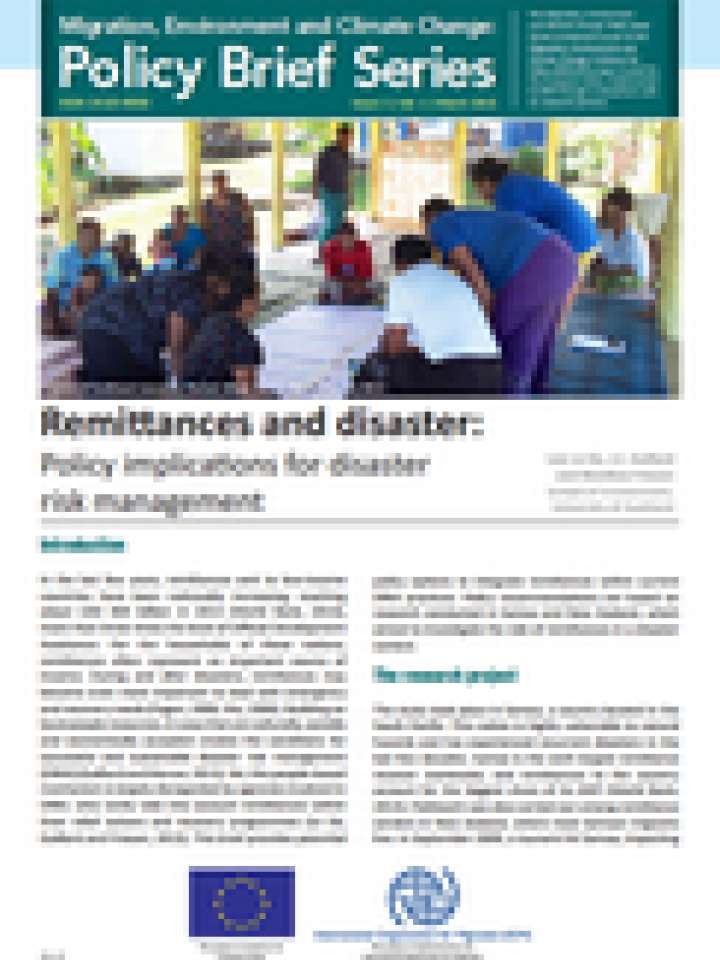
This brief provides potential policy options, drawing on a research project based in Samoa and New Zealand, to integrate remittances within current disaster risk management practices. The brief identifies the need to take into account remittance flows
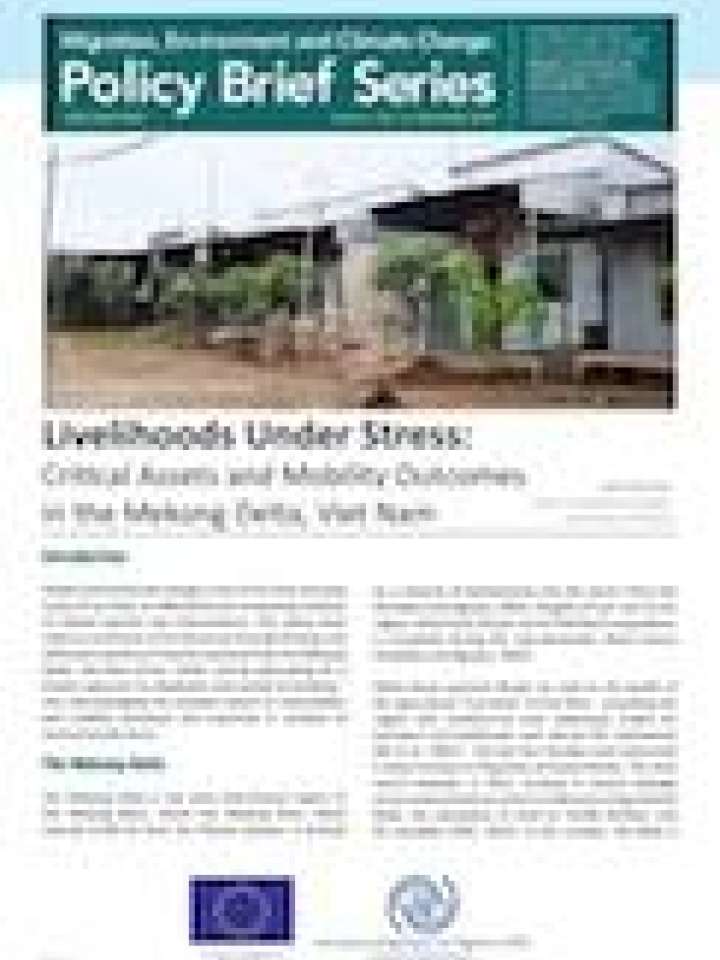
This first edition of the policy brief series examines relocation programmes undertaken due to heavy seasonal floods in the Mekong Delta of Viet Nam. Based on the author’s own empirical research in two rural communes in upstream areas of the Mekong Delta
This pocket book shares important messages of 100 recovery leaders in which they share their experiences in early recovery from disasters. The pocket book explains the role of leadership in disaster recovery and its different shapes. The book also underlines the value of connecting with other leaders when recovering from disasters. At last, the book shares practical strategies for disaster recovery.
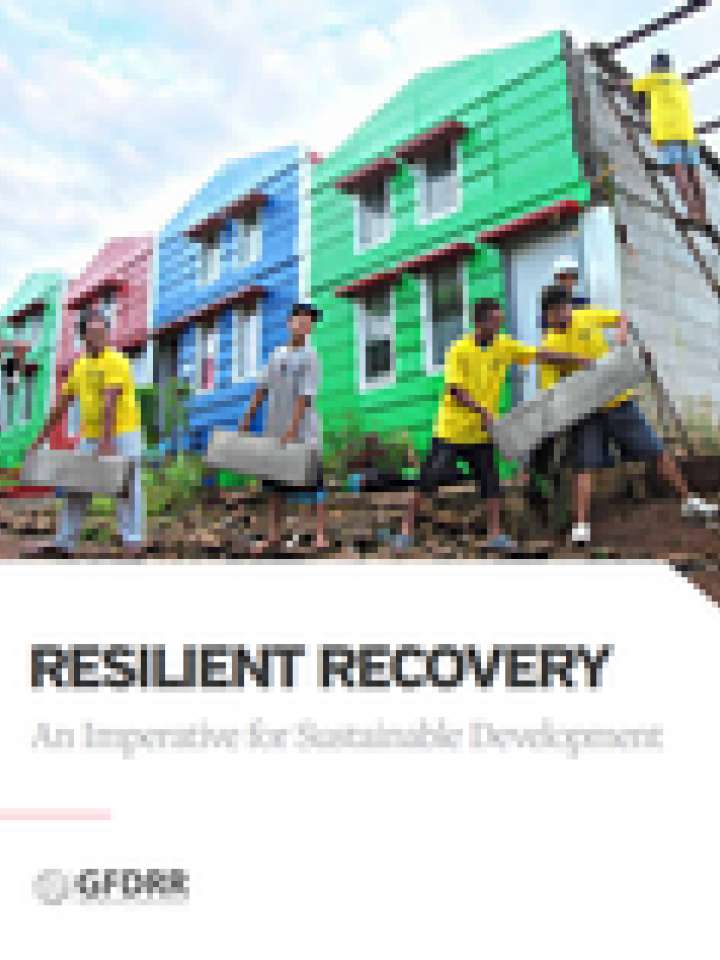
This report documents the challenges and progress around the world in integrating disaster risk reduction measures into post-disaster recovery and rehabilitation. More importantly, it recommends policies and practices for strengthening disaster recovery systems that will help countries protect their hard-earned developmental gains.
Global Facility for Disaster Reduction and Recovery, the (GFDRR)
This disaster risk reduction situation report on the 25 April 2015 Nepal earthquake is divided into three parts: historical disaster impacts, risks and scenarios, and disaster risk reduction (DRR) implementation status. It provides an overview of Nepal's
United Nations Office for Disaster Risk Reduction (UNDRR)
This report summarizes the results of a health risk assessment from the nuclear accident that followed the 2011 Great East Japan Earthquake. The assessment was conducted by a group of independent experts convened by WHO and the report represents the first international effort to estimate radiation risks from this accident at the global level.