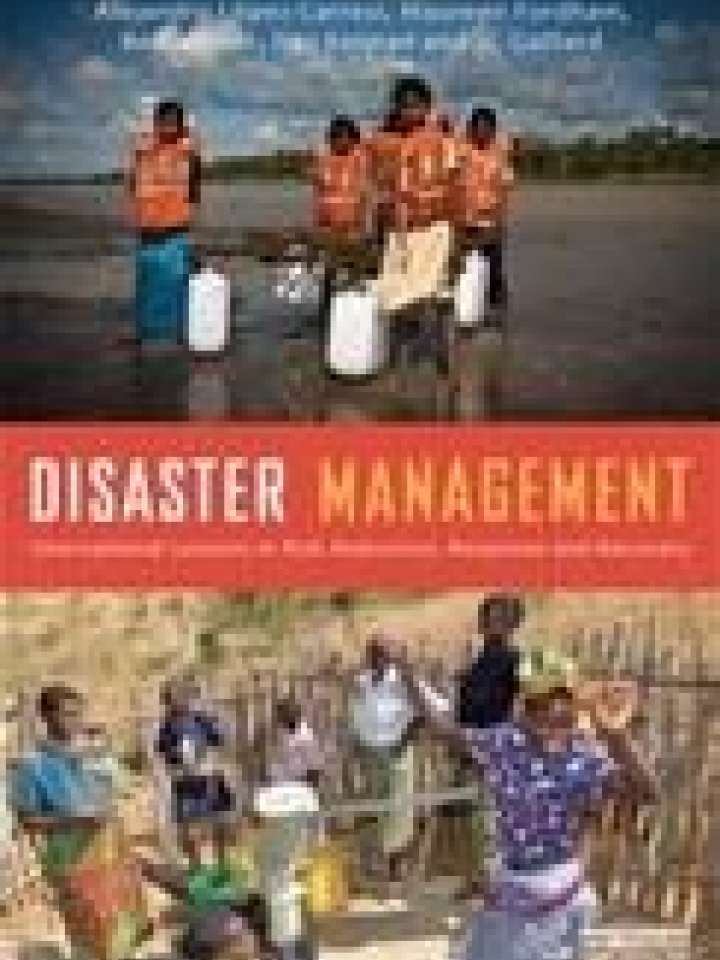
This book explains key lessons learned from diverse disaster situations and analyzes them within the framework of governance, education, and technology, providing a framework for disaster recovery as a development opportunity. In post-disaster situations
This report is intended to disseminate the lessons learned from the devastating experiences of the Great East Japan Earthquake with Mw 9.0 occurred on March 11, 2011, for the sake of future societies. It focuses on topics related to the earthquake and tsunami in terms of the Hyogo Framework for Action 2005–2015 (HFA) five priorities for action, which serve as guidelines to reduce future disaster damage for every country or region, as well as from the academic view-points of professors at the International Research Institute of Disaster Science (IRIDeS), Tohoku University.
A comprehensive plan that contains actionable recommendations both for rebuilding the communities impacted by Sandy and increasing the resilience of infrastructure and buildings citywide.
The aim of this research is to identify and evaluate good practice in Japanese recovery planning with emphasis on pre-disaster recovery planning and the potential application of those practices into the New Zealand planning and policy framework.
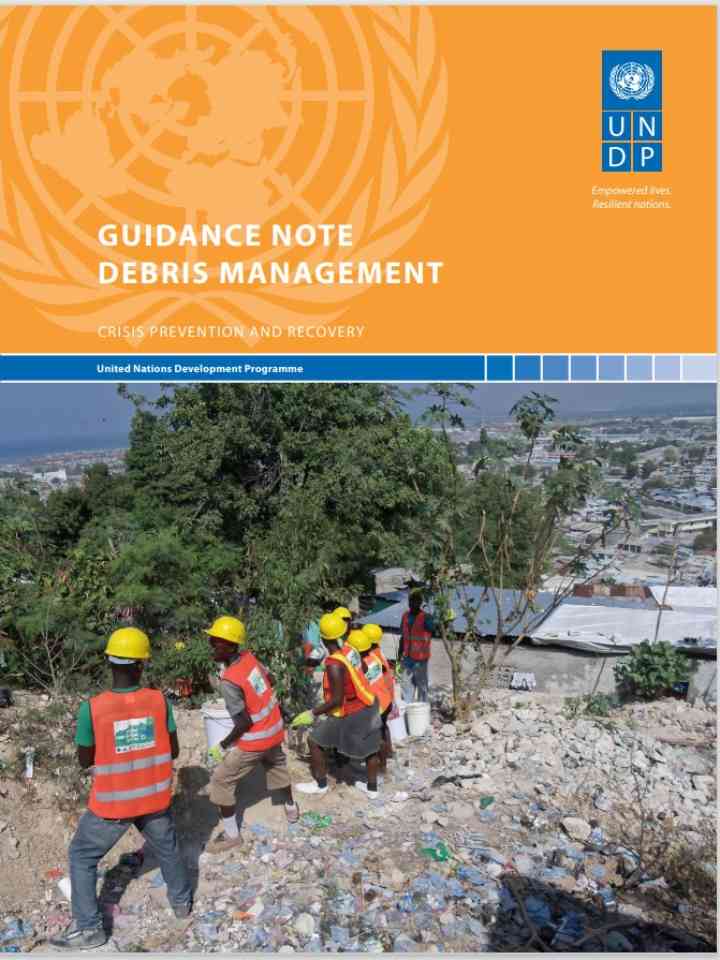
This guidance note provides practical advice on how to plan, design and implement a project that swiftly links governments and communities in the assessment, clearance, recycling and management of debris following a significant national catastrophe.
Southasiadisasters.net issue no. 98, October 2013:
This issue builds on the experience of the 2011 earthquake in Sikkim. It focuses primarily on the recovery and rehabilitation of the Indian state of Sikkim following the 18 September 2011 earthquake
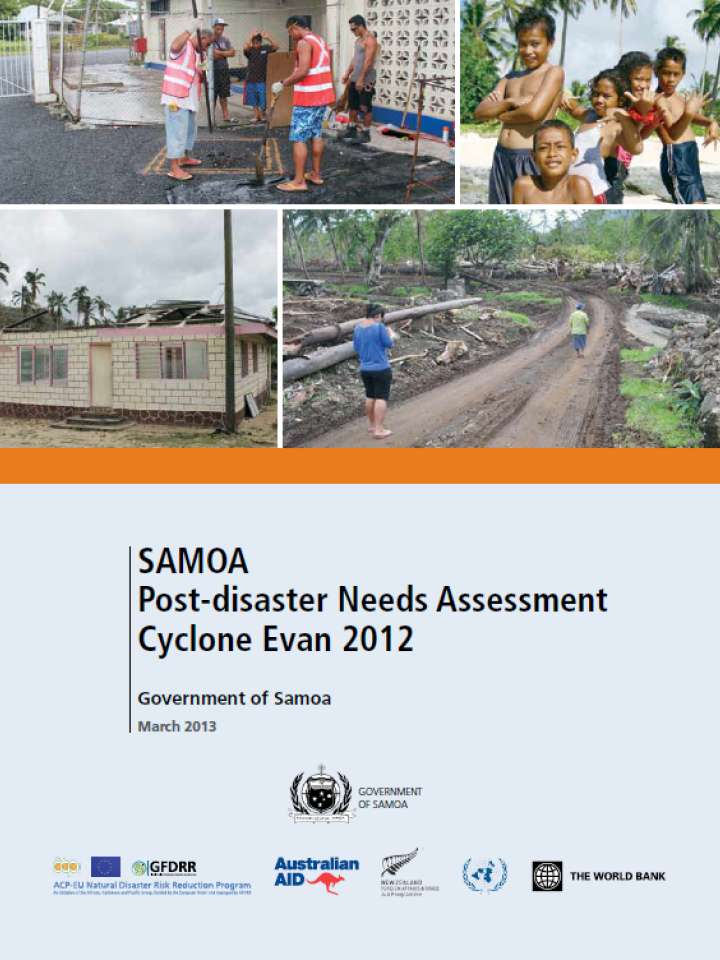
This post-disaster needs assessment report on Cyclone Evan was prepared in 2013 by the Government of Samoa in collaboration with international partners.
Samoa - government
Global Facility for Disaster Reduction and Recovery, the (GFDRR)
This volume presents eighteen case studies of natural disasters from Australia, Europe, North America and developing countries. By comparing the impacts, it seeks to identify what moves people to adapt, which adaptive activities succeed and which fail
This book addresses the perennial gap between theory and practice, between academia and active professionals in the field of disaster management. It offers vital lessons to practitioners from scholarship on natural hazards, disaster risk management and