This volume of papers selected from the International Conference on Flood Management (ICFM5) and by international authors, covers various aspects of the "from risk to opportunity" concept, such as flood risk management, disaster management, forecasting
International Centre for Water Hazard and Risk Management (ICHARM)
This knowledge note focuses on various aspects of disaster risk reduction (DRR) and environmental management, including studies on: (i) developing record of school experiences from the East Japan Earthquake and Tsunami (EJET); (ii) building school-based disaster resilient community, which includes a review of past DRR activities; (iii) interlinking DRR education with Education for Sustainable Development (ESD); (iv) strengthening community network in temporary housing facilities; and (v) the role of social capital in post-disaster recovery. It is part of a series, which is expected to continue with periodical publication for the next 3 to 5 years with close insights on community recovery in the Tohoku Region, Japan.
Graduate School of Global Environmental Studies, Kyoto University 地球環境学堂・地球環境学舎・三才学林
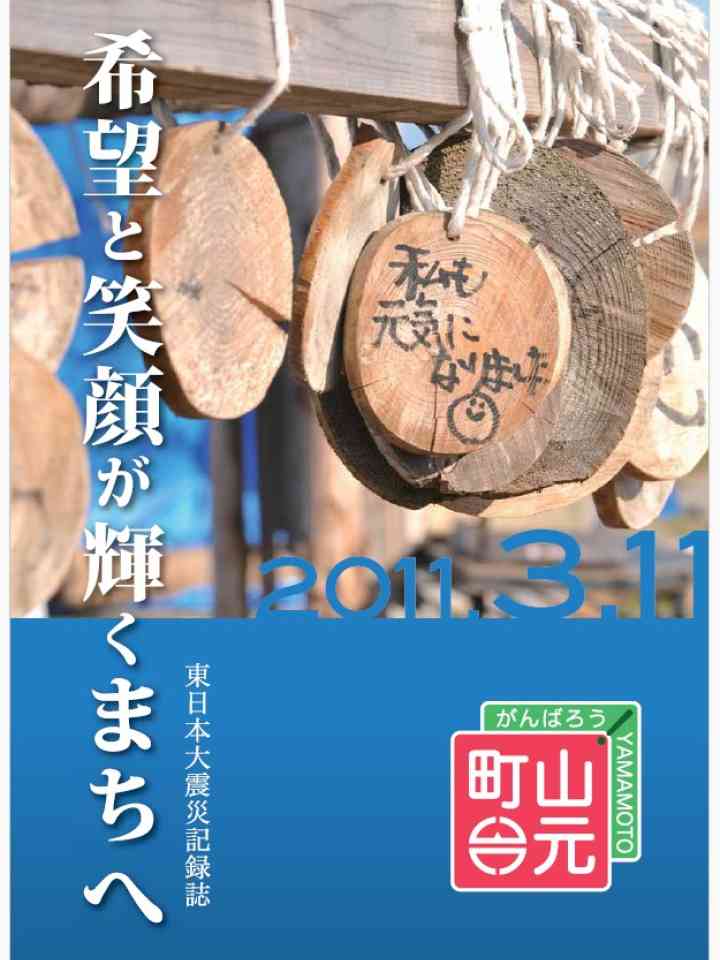
This report relates the experiences of those who survived the Great East Japan Earthquake and Tsunami using information gathered at a workshop which included field visits and interviews with local representatives.
El objetivo de este trabajo fue describir cómo se formularon las estrategias y los proyectos de recuperación después de las inundaciones que afectaron a buena parte del país, durante el primer semestre del año 2008. También se examinan las
The preparation of this National Progress Report has been undertaken within the framework of the biennial 2011-13 HFA Monitoring and Progress Review process, facilitated by UNISDR and the ISDR partnership.
This document describes the recovery strategies and projects implemented in the wake of two natural hazards in Ecuador: the prolonged eruption of the Tungurahua volcano; and the intense rainy season of the first half of 2008.
This guide addresses the absence of a risk reduction focus both in humanitarian aid and in the reconstruction processes and the related increase of the physical, social, economic, and environmental vulnerability of the population to new events.