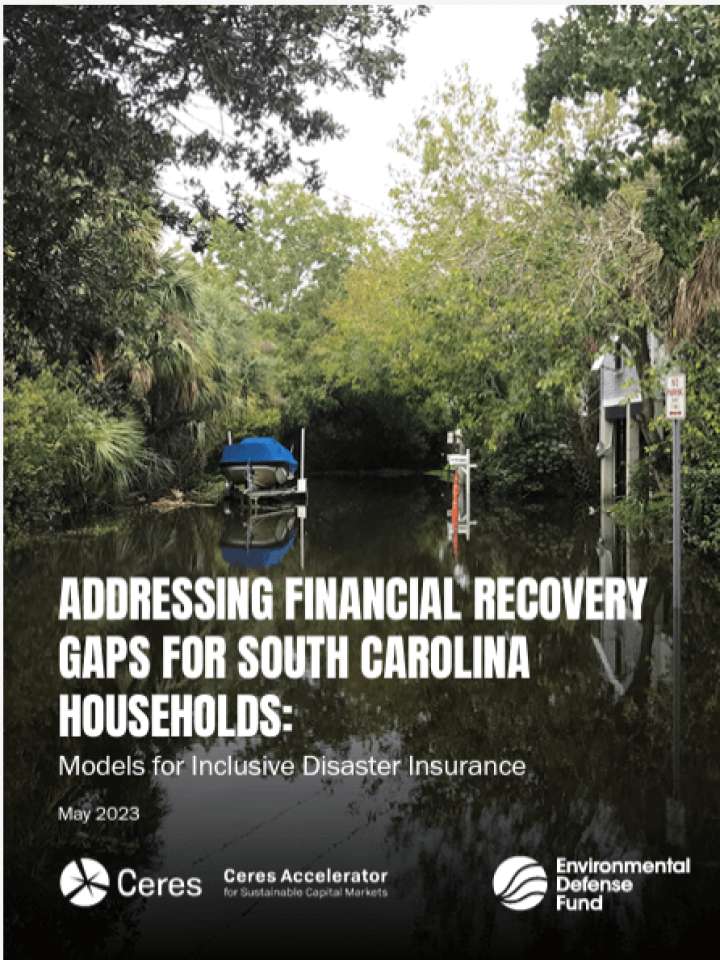
This report provides a comprehensive review of the current resources for economic recovery post-disaster in South Carolina and explores one mechanism for filling identified gaps in recovery: new disaster insurance models.
Kerala faced an unprecedented disaster in August 2018 when it experienced its worst flooding since 1924, triggered by incessant monsoon rains, impacted 5.4 million people, and claimed over 400 lives.
International Journal of Advance Research and Innovative Ideas in Education
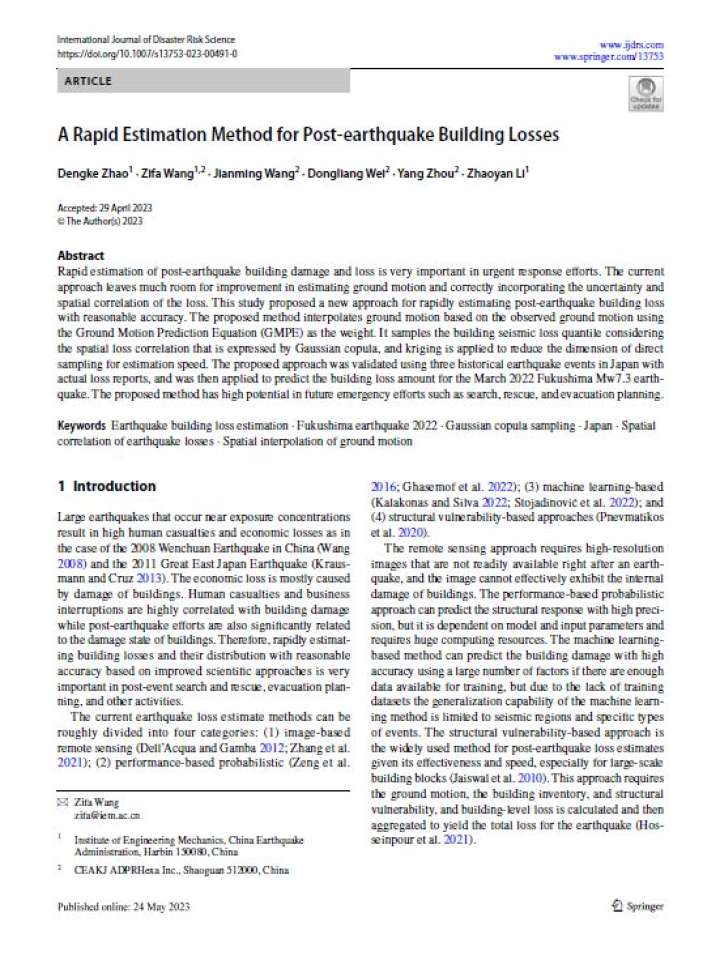
This study proposed a new approach for rapidly estimating post-earthquake building loss with reasonable accuracy. Rapid estimation of post-earthquake building damage and loss is very important in urgent response efforts.
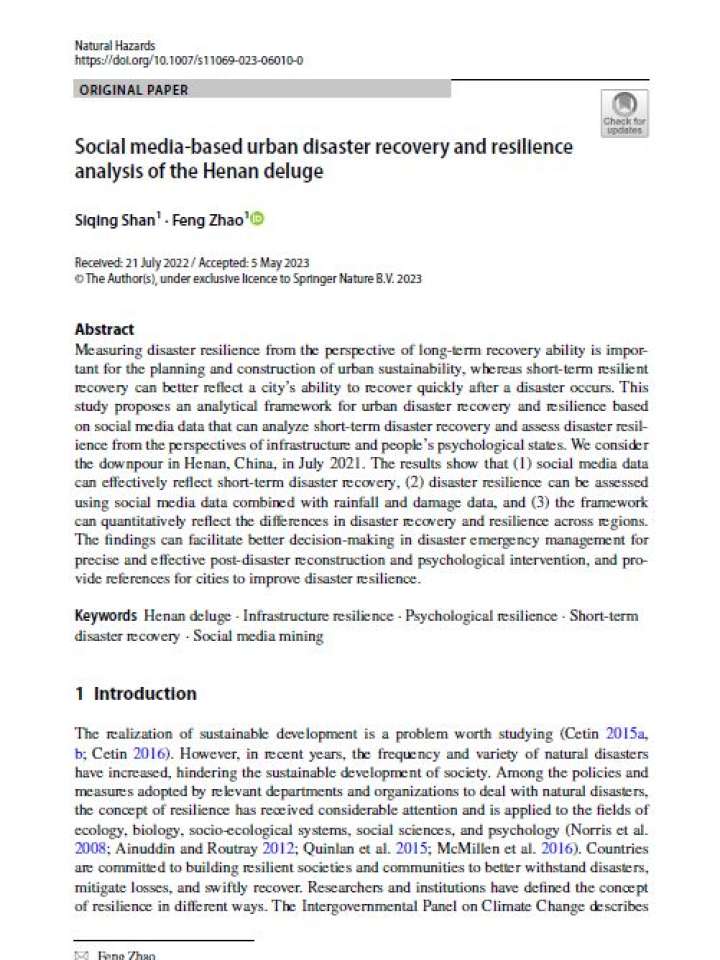
This study proposes an analytical framework for urban disaster recovery and resilience based on social media data that can analyze short-term disaster recovery and assess disaster resilience from the perspectives of infrastructure.
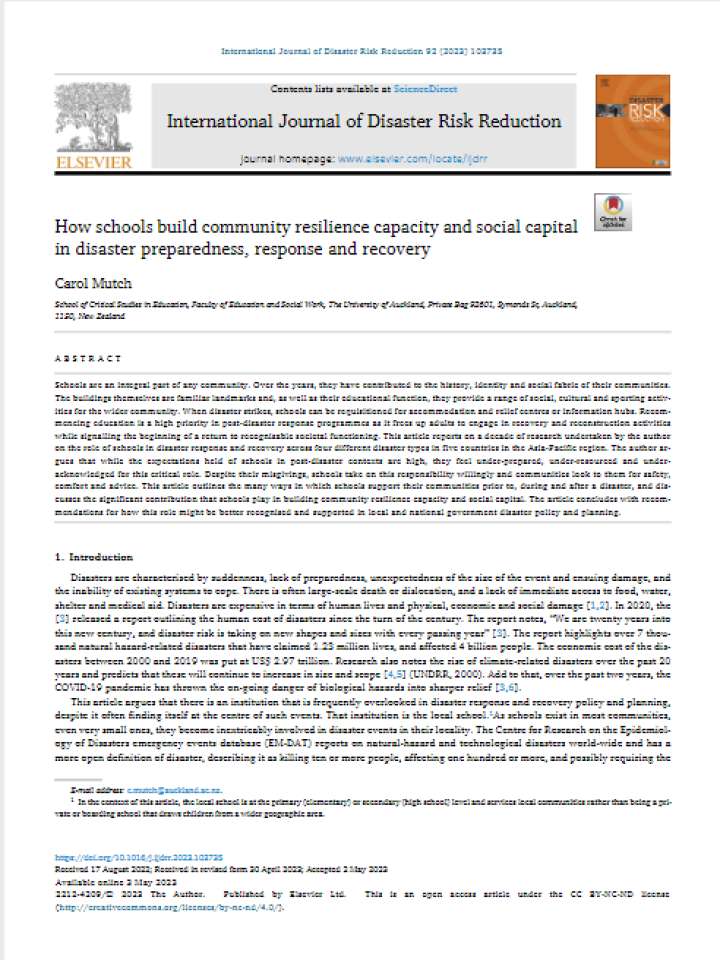
This article reports on a decade of research undertaken by the author on the role of schools in disaster response and recovery across four different disaster types in five countries in the Asia-Pacific region.
International Journal of Disaster Risk Reduction (Elsevier)
This study empirically analyzes the effectiveness of the Caribbean Catastrophe Risk Insurance Facility (CCRIF) regarding the reduction of short-term fiscal effects.
Economics of Disasters and Climate Change (Springer)
This brief is based on an evidence gap map of interventions that aim to strengthen resilience against shocks, stressors, and recurring crises in low-and middle-income countries. This map was commissioned by USAID’s Bureau for Resilience and Food Security.