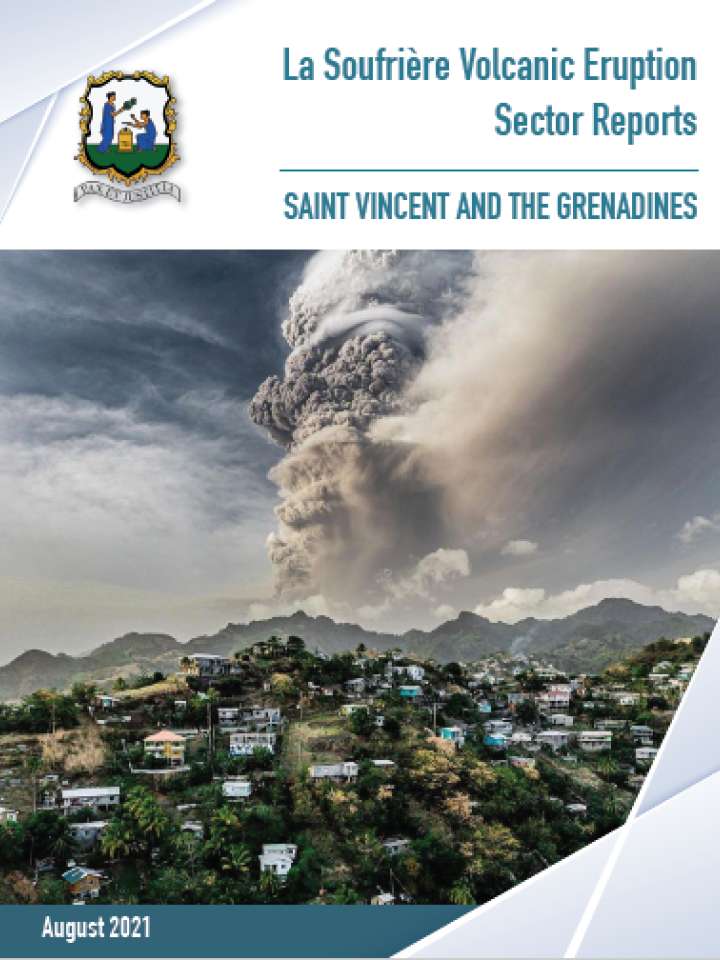
These documents present the background, context, effects, impact, recovery needs and recovery strategy of the devastation of the La Soufrière Volcanic Eruption on St. Vincent and the Grenadines within the context of a PDNA.
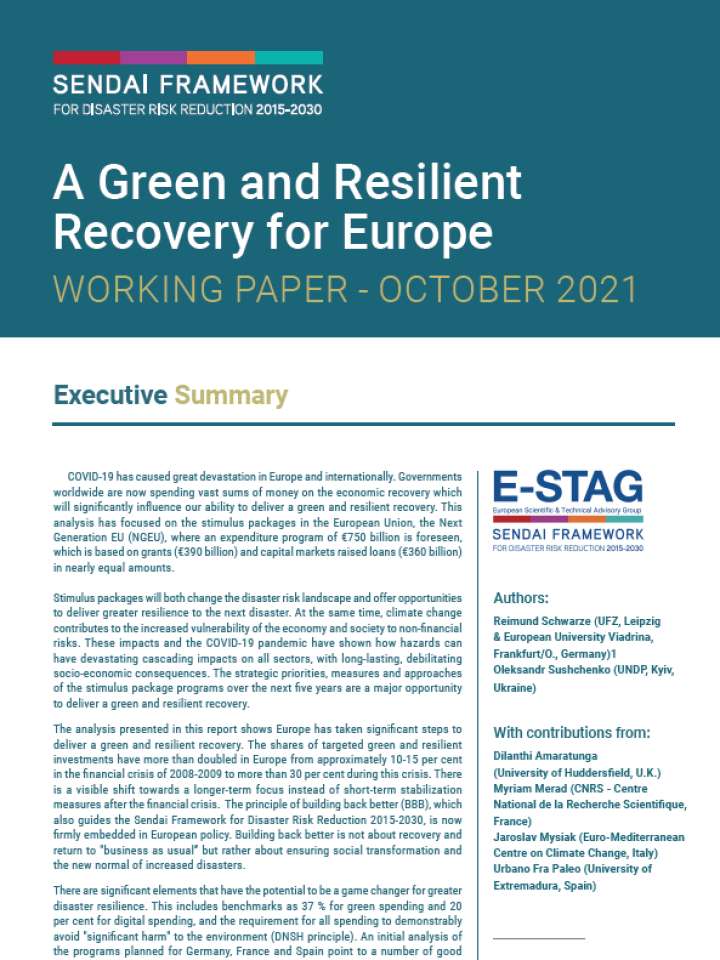
The analysis examines the steps taken to deliver a green and resilient recovery and indicates that current action is not commensurate with the sheer scale of the challenge – the rapid accumulation of systemic, interconnected and cascading disaster risk.
United Nations Office for Disaster Risk Reduction - Regional Office for Europe & Central Asia
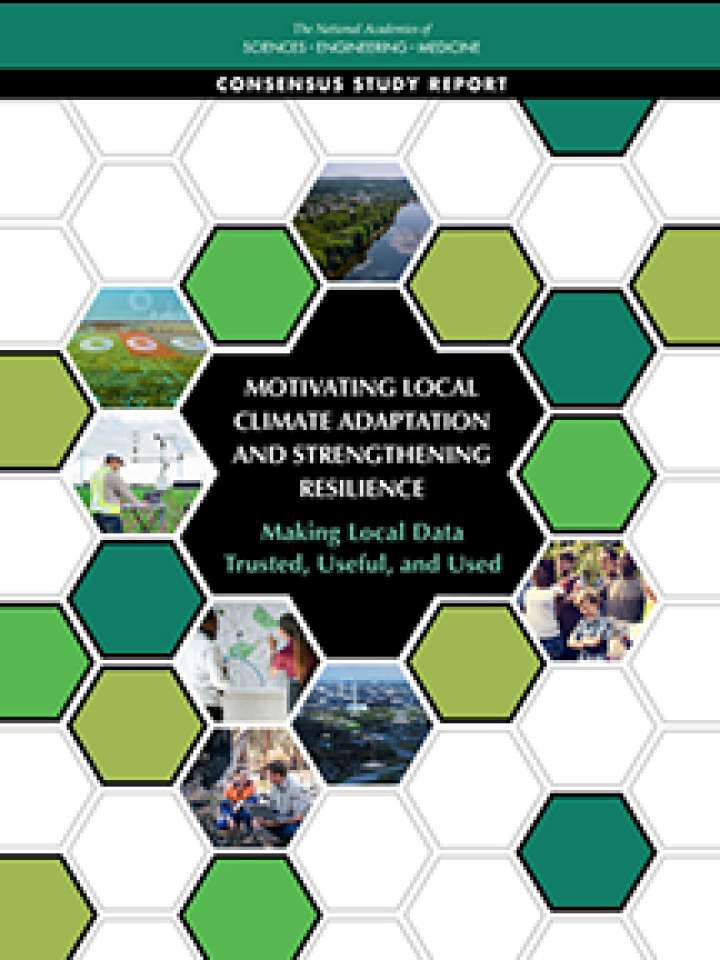
This report discusses how to help reduce the immense human and financial toll of disasters caused by natural hazards and other large-scale emergencies, the Committee on Applied Research Topics for Hazard Mitigation and Resilience has been charged with
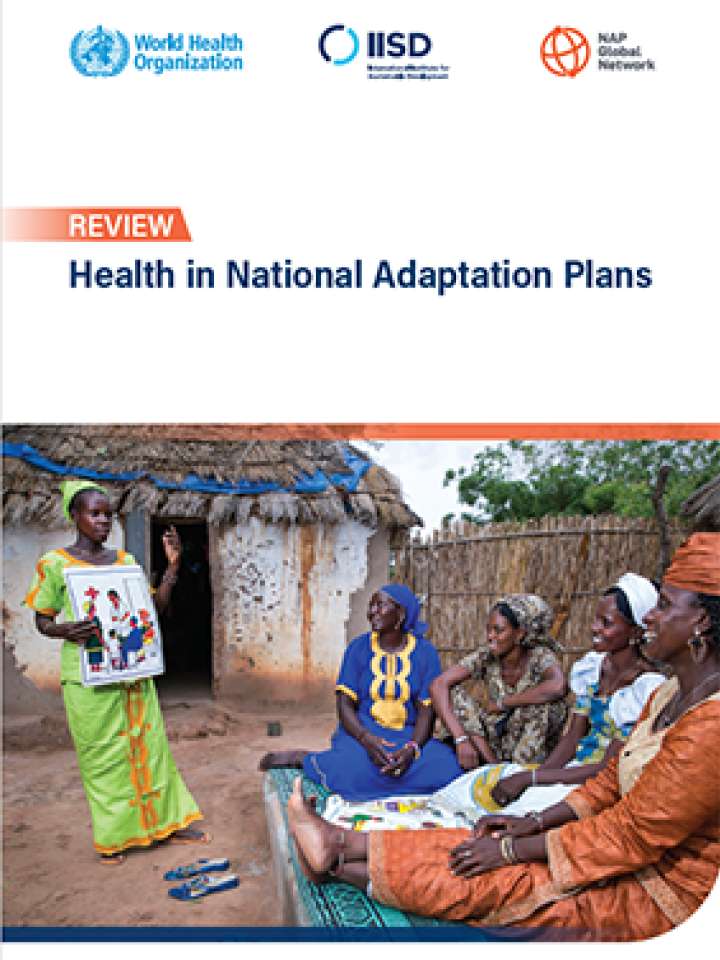
Climate change has significant impacts on health both directly, such as injury and death from extreme weather events, or heat illnesses from temperature increases, and indirectly, including malnutrition, increased spread of vector-borne diseases, and
International Institute for Sustainable Development (IISD)
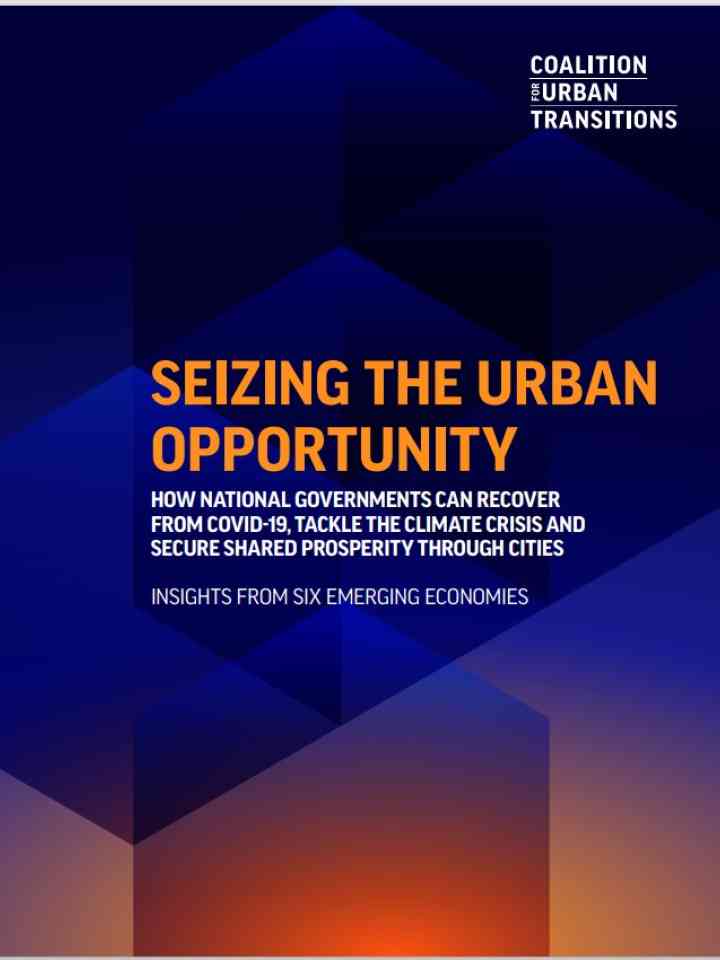
The report outlines how cities can drive COVID-19 recovery, tackle climate change, and promote shared prosperity, focusing on six major emerging economies.
This report from the UK House of Commons Environmental Audit Committee provides an overview of the risks of flooding on homes and businesses in the UK. Over 5.2 million homes and businesses in England are currently at risk from flooding, according to the
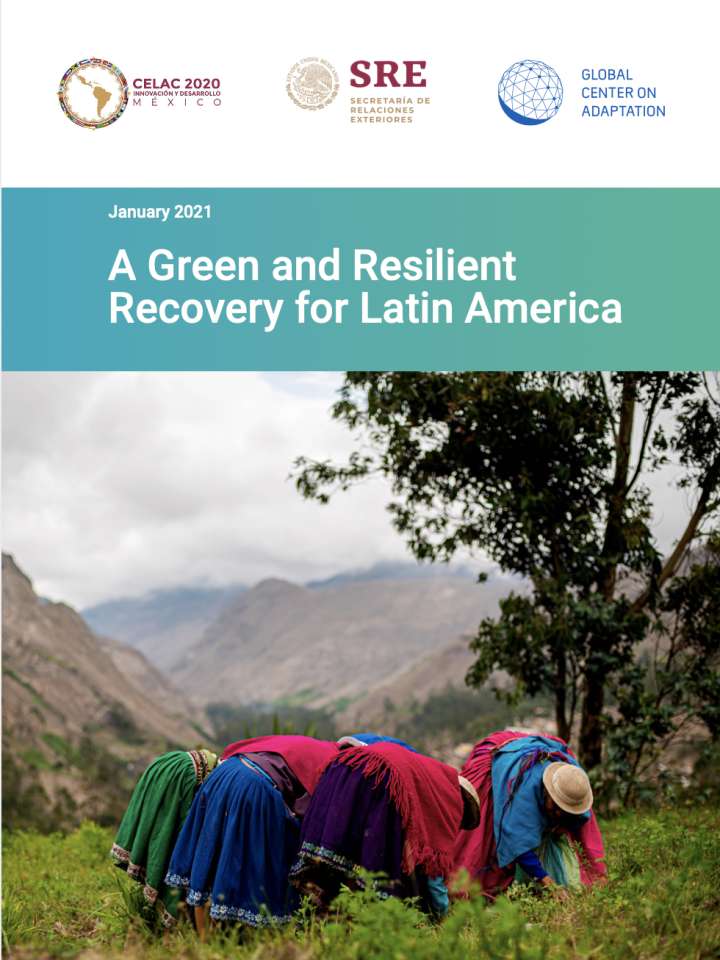
This paper assesses the green and resilient recovery for Latin America. As the world deals with multiple waves of the pandemic, Latin America has shown that inequality is its achilles heel in mounting an effective response. While the region has made
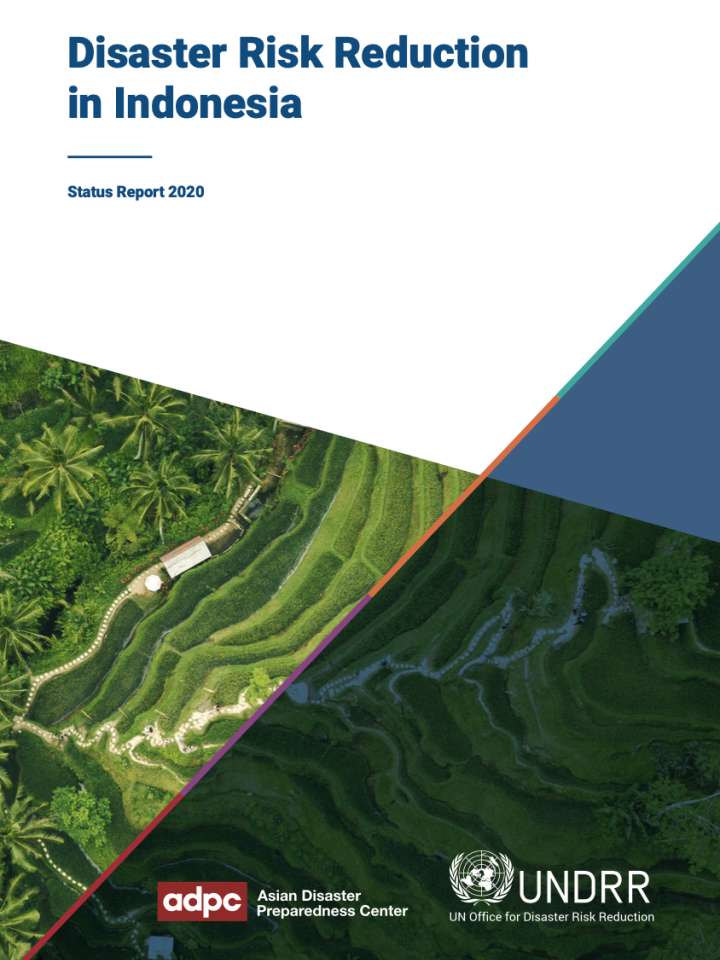
The disaster risk reduction (DRR) status report provides a snapshot of the state of DRR in Indonesia under the four priorities of the Sendai Framework for Disaster Risk Reduction 2015-2030.
Asian Disaster Preparedness Center
United Nations Office for Disaster Risk Reduction (UNDRR)
This report, the first in a series, examines in detail the intertwined effects of the pandemic and climate change, and analyzes how these affect the prospects and ability of countries to recover better. In particular, the report highlights how smart adaptation strategies can contribute to better health outcomes, environmental benefits, and economic recoveries, and strengthen resilience against future systemic shocks.
This paper assesses why Vietnam has not been as effective in dealing with environmental and climate challenges as with the COVID-19 crisis, which are arguably different but have also many similarities.