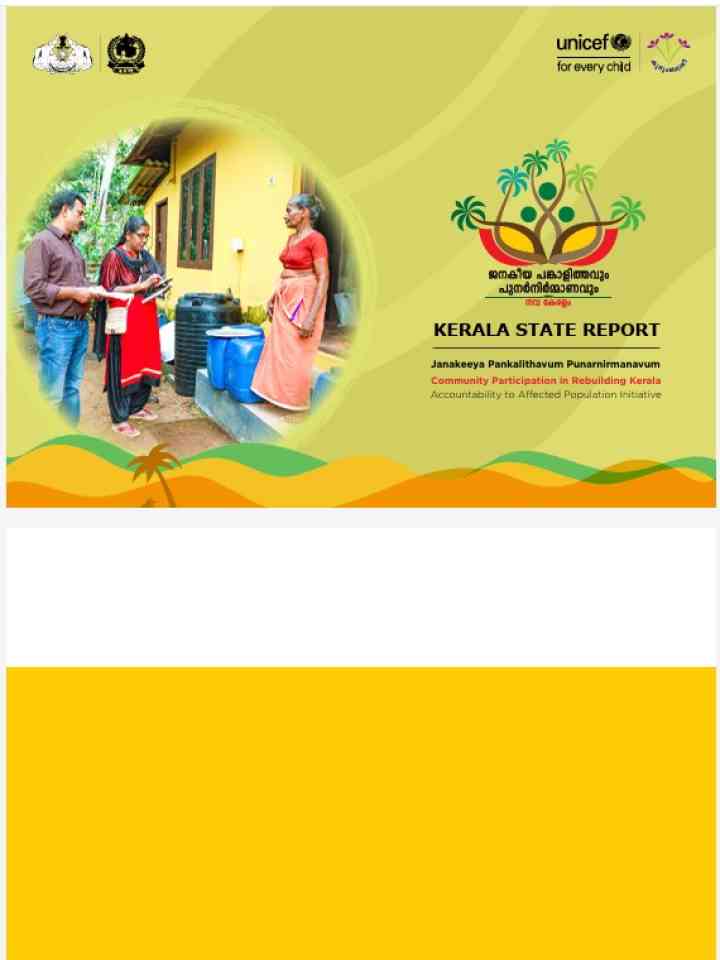
Thie report details how, after the 2018 floods, the government institutionalized a participatory feedback system to ensure affected communities were actively involved in and informed about disaster recovery and planning processe.
This project infosheet presents the pilot demonstration project focused on building a resilient community capable of adaptation and implementing sustainable development solutions. Considering the community’s needs, strengths, and aspirations, particular
International Centre for Integrated Mountain Development (ICIMOD)
This research aims to identify strategies for long-term recovery related to housing, livelihood, and community activities in villages divided by the dyke in Hinthada Township, Ayeyarwady Region, Myanmar, using household surveys.
This paper looks at how community-based recovery initiatives in Turkey following the 1999 earthquakes have transformed into initiatives around larger issues of building resilience and risk reduction. It examines the nature of their relationships with the
This study aims to fill a knowledge gap on the extent to which community-level mitigation activities impact business disaster recovery efforts in the US. Using data gathered from 25 semi-structured interviews with businesses and local government staff
Australian Disaster Resilience Handbook Collection: Handbook 2
This handbook aims to provide a comprehensive guide to community recovery in Australia. It is intended for use by planners, managers and those involved in working with communities to design
Australian Institute for Disaster Resilience (AIDR)
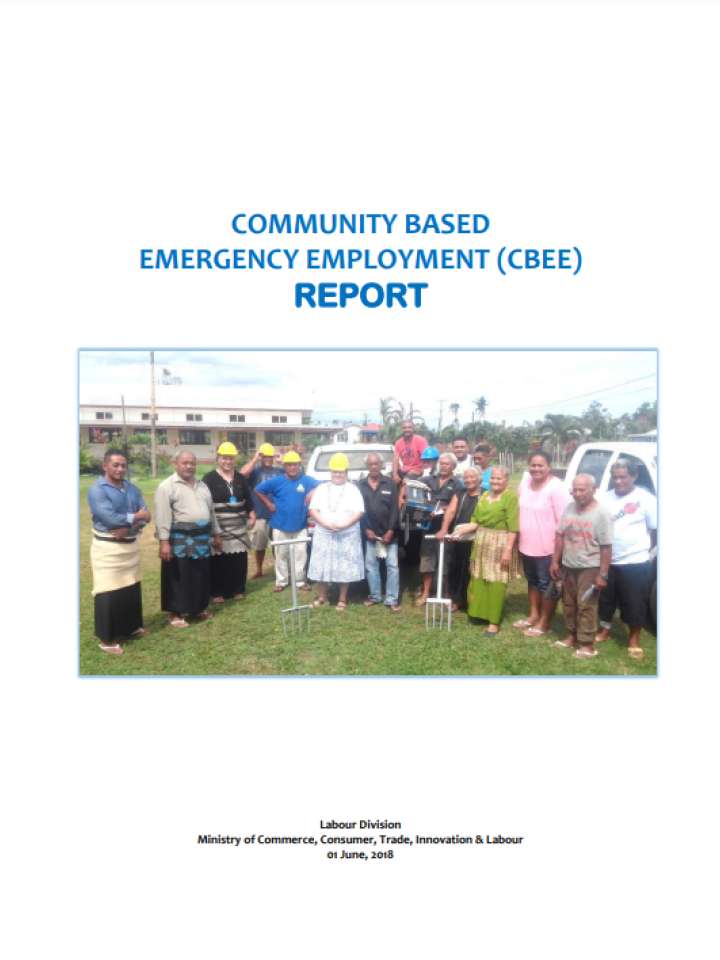
This report presents the description of the Community Based Emergency Employment program (CBEE) including the monitoring of its progress, developed after Tropical Cyclone Gita hit and devastated Tonga in 2018.
This paper considers how an assets-based community development approach might inform community recovery programs so that recovery efforts support longer-term community resilience. Drawing on the evaluation of a modified assets-based community development
Australian Institute for Disaster Resilience (AIDR)
This research examines ways in which governments can enable communities to lead their recovery after emergency events. This is a preliminary report of a continuing study. To date, semi-structured interviews have been held with over 20 experienced
Australian Institute for Disaster Resilience (AIDR)
This document outlines Rikuzentakata city's efforts through its recovery to create an inclusive community to ensure the safety, well-being, and equal opportunities for all residents, including those with disabilities and other minority groups.