The Build Back Better Sector Guides provide practical resources to support clients, partners, and staff of the Asian Development Bank to enhance the climate and disaster resilience of communities, infrastructure and systems.
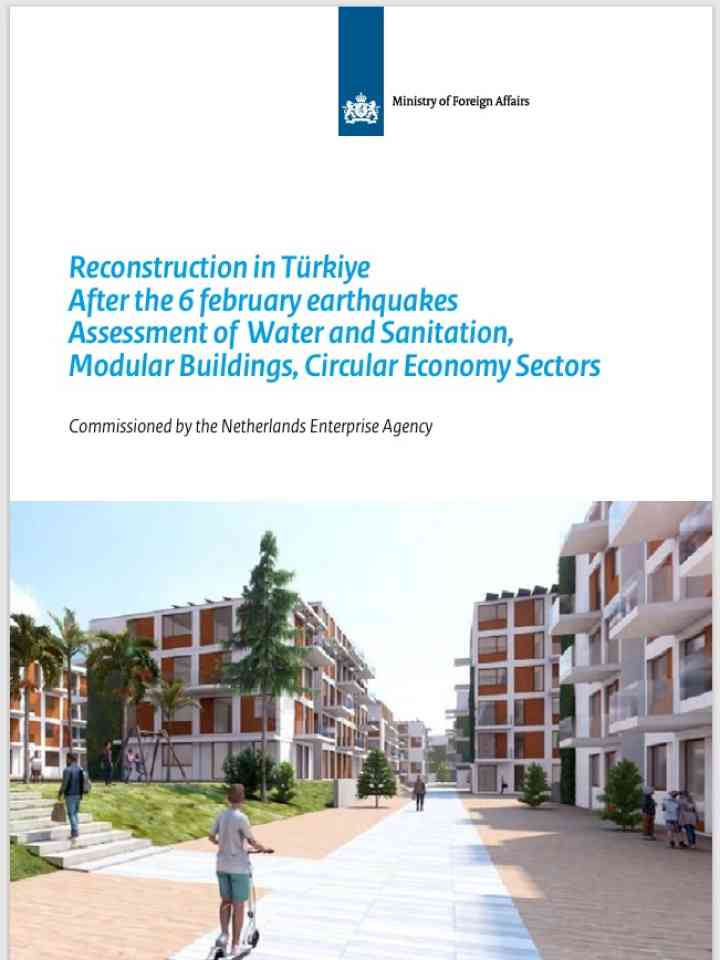
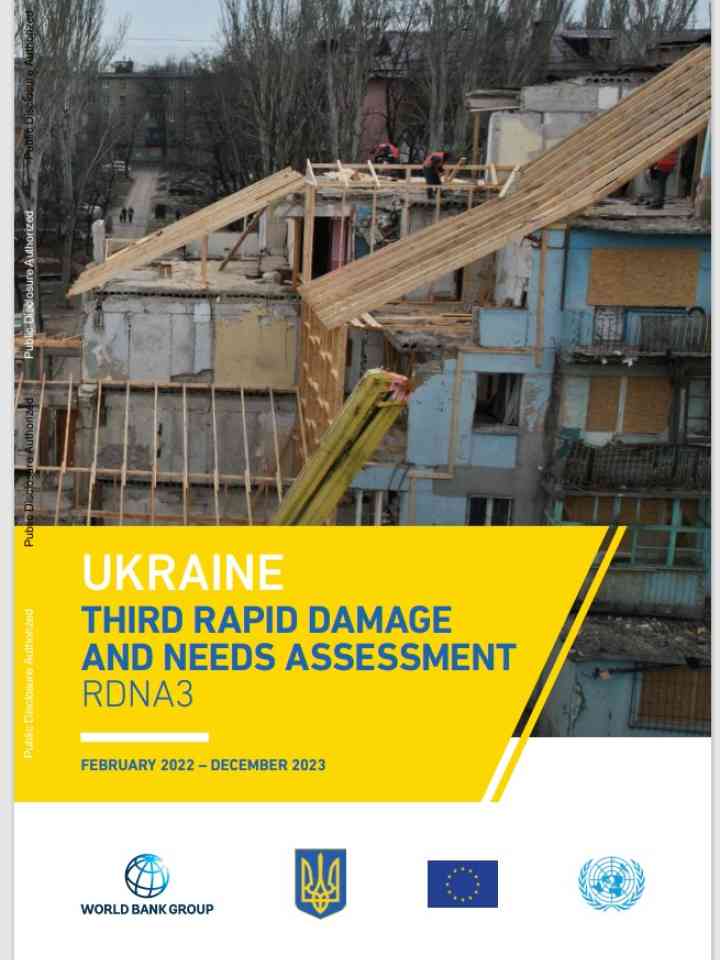
The report draws on comprehensive analyses conducted across the water and sanitation, modular buildings, and circular construction sectors, providing actionable insights and strategic recommendations for stakeholders.
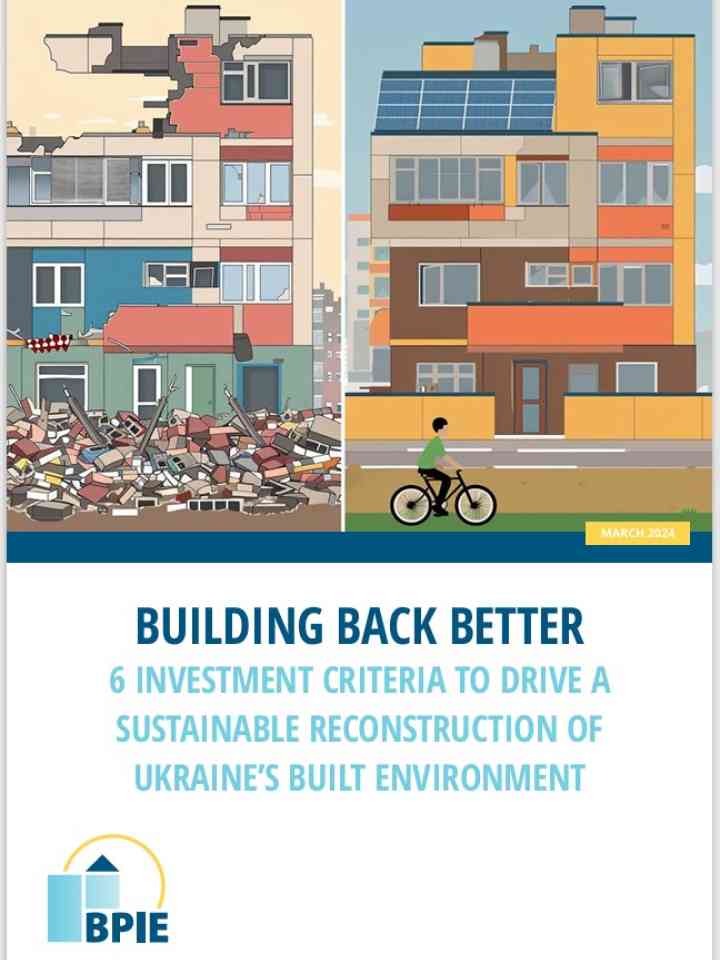
Following the "build back better" principle, the report calls on multilateral donors and the Ukrainian government to allocate funding to projects that meet ambitious energy efficiency, renewable energy, climate adaptation, and circularity criteria.
The Great East Japan Earthquake Tsunami on March 11, 2011, caused unprecedented damage mainly in northeast Japan. This paper introduces the characteristics of the tsunami and resultant damage.
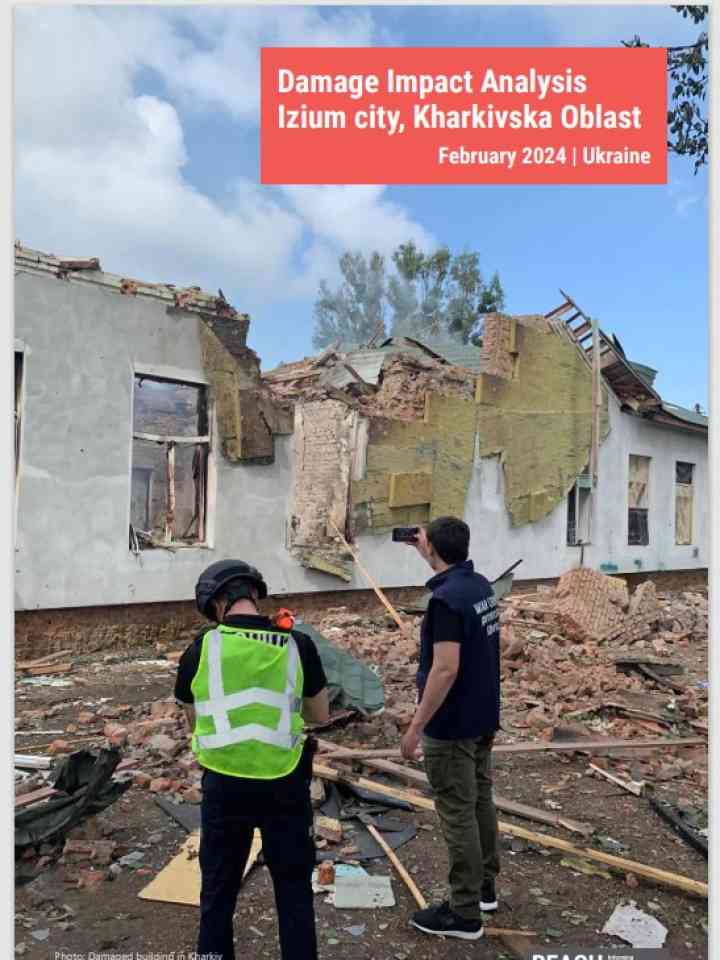
This document aims to complement GIS-based damage assessments with qualitative impact analyses to enhance the understanding of infrastructure damage impacts, with a particular emphasis on service availability and accessibility.
The objective of the assessment is to develop a 2 model-based estimate of the direct physical damages to buildings and infrastructure and evaluate the spatial distribution of damages to support the development of a roadmap for recovery and reconstruction.
This document recommends procedures for the disaster recovery of irrigation infrastructure, taking policy and institutional context and practices in Sri Lanka into account.
The publication is primarily intended for irrigation sector practitioners, particularly irrigation sector project planners and administrators who are responsible for implementing DRR and recovery initiatives at subnational and local levels.