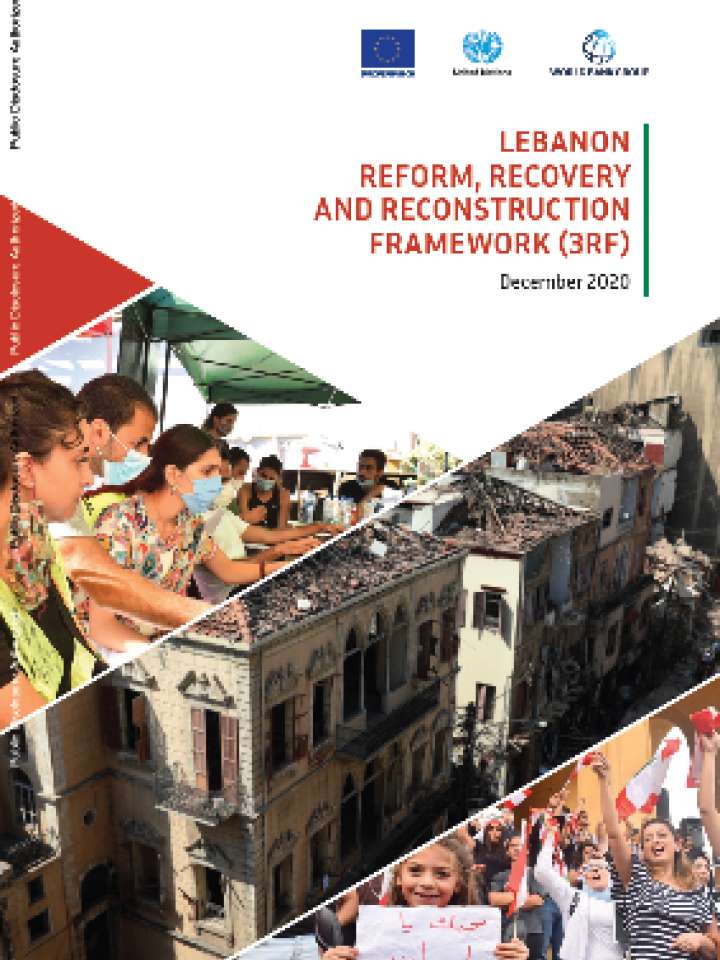
The framework for Reform, Recovery and Reconstruction (the 3RF) is a people-centered recovery and reconstruction framework, and a part of a comprehensive response to the massive explosion on the Port of Beirut on August 4, 2020.
World Bank, the
United Nations Development Programme (UNDP)
Global Facility for Disaster Reduction and Recovery, the (GFDRR)
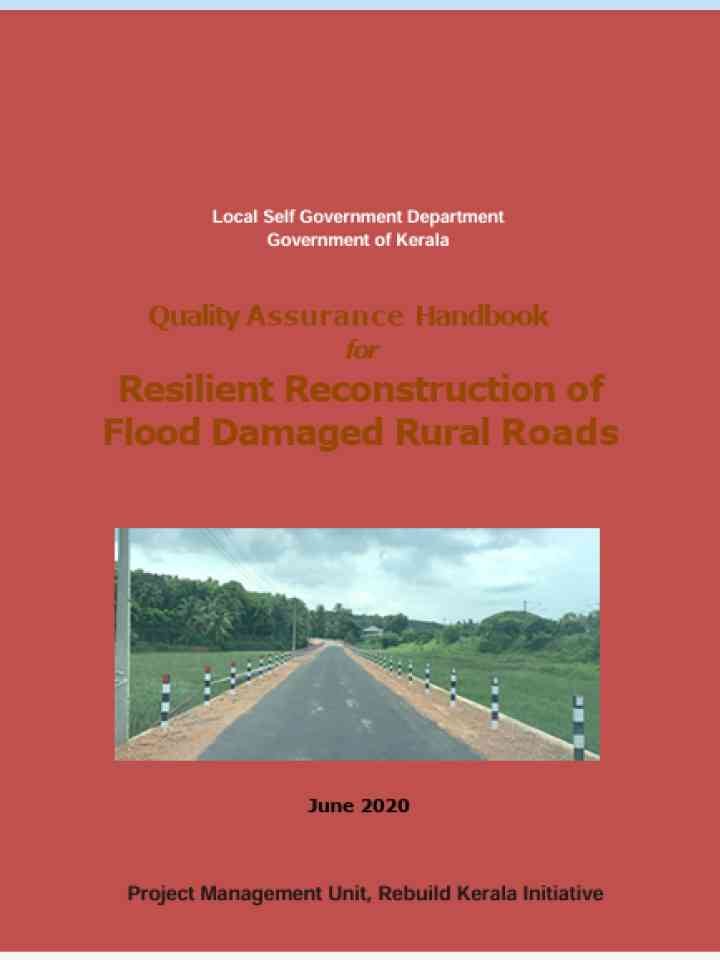
The document outlines detailed specifications, methodologies, quality control requirements, and maintenance guidelines for rural road construction and flood-damaged road reconstruction.
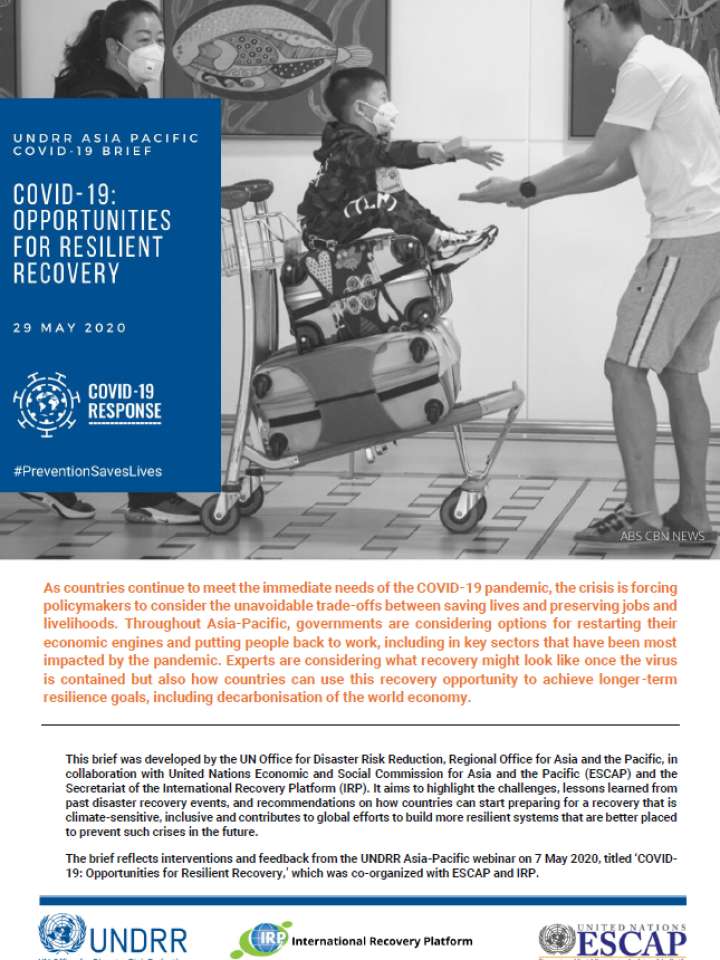
This brief highlights the challenges, lessons learned from past disaster recovery events, and recommendations on how countries can start preparing for a recovery that is climate-sensitive, inclusive and contributes to global efforts to build more resilient systems that are better placed to prevent such crises in the future.
United Nations Office for Disaster Risk Reduction - Regional Office for Asia and Pacific
On 6th December, the Government of Albania requested support from the European Union, the United Nations, and the World Bank to undertake a full and comprehensive PDNA to identify the damage, losses, and recovery needs arising from the earthquake.
This report presents a consolidated view of damage, loss and recovery needs estimates from the 2019 floods in Iran, based on data received from various line departments and the expertise of a multi institutional and interdisciplinary assessment team.
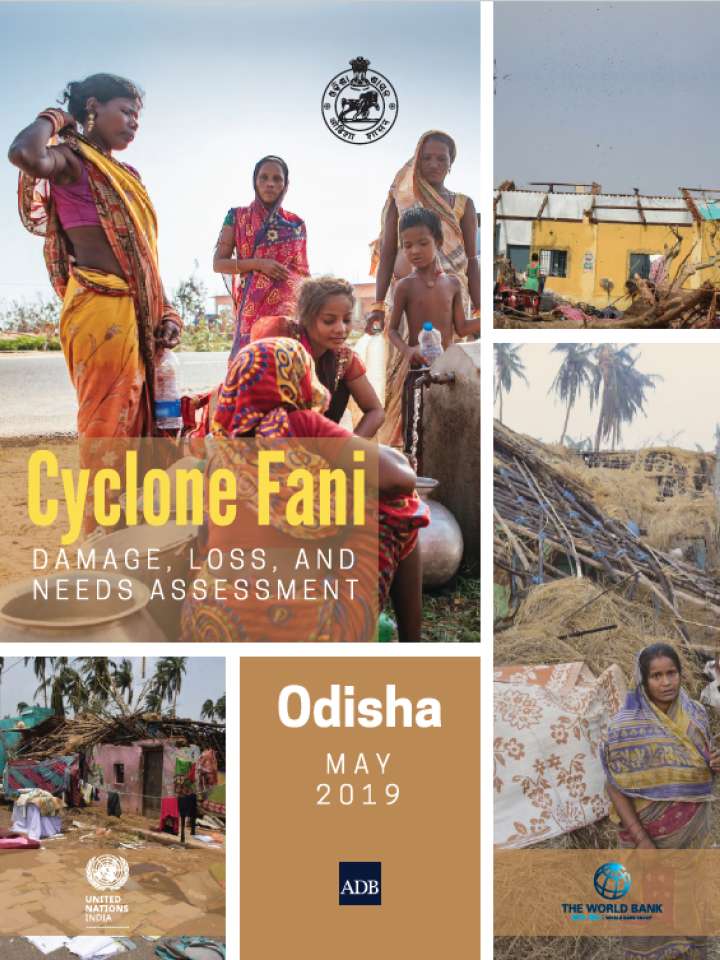
This Damage, Loss, and Needs Assessment (DLNA) of Cyclone Fani in Odisha was conducted between 24 May and 4 June 2019. Covering the 14 affected districts in the state, it presents estimates of the damage, loss, and recovery needs across 15 sectors.
World Bank, the
United Nations Development Programme (UNDP)
Asian Development Bank (ADB)
Global Facility for Disaster Reduction and Recovery, the (GFDRR)
Resilience against infrastructure failure is essential for ensuring the health and safety of communities during and following natural hazard situations. Understanding how natural hazards impact society in terms of economic cost, recovery time, and damages
World Bank, the
Global Facility for Disaster Reduction and Recovery, the (GFDRR)
This paper, prepared as a sectoral note for the Lifelines report on infrastructure resilience, investigates the vulnerability of the power system to natural hazards and climate change, and provides recommendations to increase its resilience.
The aim of this scoping study is to understand what research and learning already exist on reconstruction in Nepal following the 2015 earthquake and what evidence gaps there are which need to be filled by further research.